
Startups
Navigating the World of Commercial Real Estate: Essential Tips for Beginners

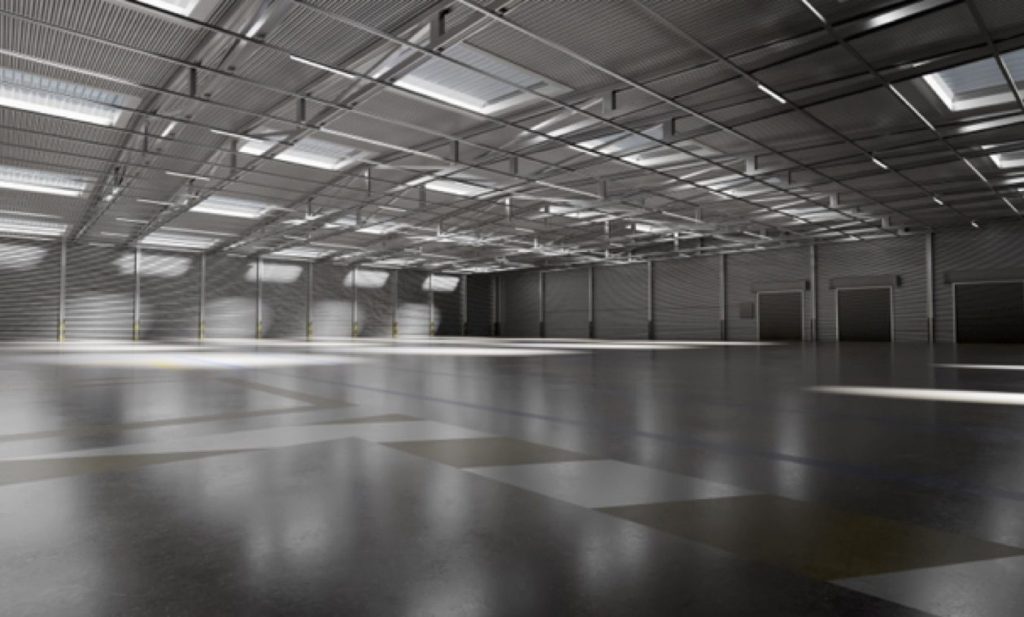
Commercial real estate (CRE) is an ever-evolving and potentially profitable industry that attracts entrepreneurs, investors, and professionals alike. Whether you have your eye on retail spaces, industrial properties, office buildings, or multifamily units, breaking into CRE necessitates a strong grasp of the market, strategic planning, and a readiness to adapt. Before immersing yourself in this competitive arena, here are the essential insights to pave the way for success.
The Scope of the Commercial Construction Industry
Before delving into commercial real estate, it’s crucial to comprehend the ecosystem that underpins it. According to IBISWorld, there are over 67,786 businesses in the U.S. commercial construction sector, highlighting the vast scale and intricacy of the CRE domain, encompassing developers, builders, contractors, and project managers.
When dealing with commercial property, collaboration with dependable contractors, architects, surveyors, and engineers becomes indispensable. Familiarity with construction timelines, permits, and inspection procedures will empower you to make informed investment choices, especially during property acquisitions, tenant improvements, or ground-up developments.
Distinctions in Metrics Between CRE and Residential Real Estate
A common pitfall for new investors is assuming that commercial real estate operates similarly to residential real estate. While both entail property transactions and management, the criteria used to assess value and performance differ significantly.
In commercial real estate, critical benchmarks include:
- Net Operating Income (NOI) – The income derived from the property after deducting operating expenses.
- Cap Rate – A metric for determining the rate of return based on the property’s income.
- Lease Terms – Commercial leases are typically lengthier and more intricate than residential ones, spanning 3 to 10 years.
- Vacancy Rates – A pivotal indicator for evaluating investment profitability.
A solid grasp of these financial fundamentals is imperative before making any investment decisions. Acquainting yourself with financing options like SBA loans, commercial mortgages, and lease-back arrangements is also wise.
Growth in Ancillary Markets
Commercial real estate extends beyond land and buildings, intersecting with various other sectors. For example, the surge in infrastructure development and commercial construction fuels demand for complementary markets like commercial doors and windows, lighting, and security systems.
As per Business Wire, the U.S. commercial door market was valued at $9.73 billion in 2023 and is projected to reach $11.53 billion by 2029, reflecting escalating demand for functional, secure, and efficient commercial properties, particularly in retail, healthcare, and warehousing sectors.
This trend presents an opportunity for those entering CRE. Whether you’re a property developer, leasing agent, or investor, monitoring cost trends and advancements in construction materials (such as smart doors, access control systems, and energy-efficient installations) can differentiate you in a competitive landscape.
Optimizing Material Choices for Long-Term Returns
The materials utilized in a commercial property can influence durability, insurance expenses, and resale value. Among these, roofing stands out as a critical component of a commercial building’s structure and long-term maintenance costs.
According to This Old House, metal roofing ranks as the runner-up material for both residential and commercial roofs. In the commercial realm, metal roofs are favored for their durability (lasting over 40 years), energy efficiency, and minimal maintenance needs. Opting for resilient materials like metal during property development or extensive renovations can curtail long-term repair expenditures and enhance tenant appeal.
Furthermore, many tenants, especially corporate or industrial entities, seek properties with contemporary, sustainable features. Certifications like LEED, energy-efficient lighting, and top-notch HVAC systems are increasingly expected. While upfront investments in these areas may escalate construction costs, they can substantially amplify rental income and property worth over time.
Location Reigns Supreme, But Zoning and Usage Are Crucial
Similar to residential real estate, location plays a pivotal role in commercial real estate—but with added nuances. Factors like proximity to transportation hubs, population density, parking availability, and neighboring businesses all impact a property’s attractiveness.
However, zoning regulations and land-use statutes carry equal weight. Familiarizing yourself with local codes is essential to ascertain whether a property can be lawfully utilized for your intended purpose, whether retail, office, industrial, or mixed use. Neglecting this aspect can lead to costly legal disputes or render your investment futile.
Prior to a purchase or lease, collaborate with a land-use attorney or consultant to review zoning maps, restrictions, and any forthcoming development plans that could influence your investment.
Leasing Strategy: A Make-or-Break Factor
Securing tenants poses a significant challenge in commercial real estate, particularly for novice investors. Unlike residential leases, which typically span a year, commercial tenancies often involve long-term agreements, sometimes extending up to a decade. Hence, thorough vetting of potential tenants is imperative.
Think beyond mere rent. Assess the tenant’s business track record, potential structural alterations needed, and financial stability to weather economic downturns. Ill-advised tenant choices can lead to defaults or vacancies that swiftly erode profits.
Consider enlisting a commercial property manager to oversee tenant relations, maintenance, and rent collection. Efficient property management translates to a more dependable income stream.
Breaking into commercial real estate demands a blend of industry acumen, financial acuity, and strategic foresight. For those willing to invest the effort, it promises substantial rewards in income potential and portfolio diversification.
By grasping the expanse of the commercial construction industry, staying abreast of related markets like roofing and doors, and mastering crucial financial and operational metrics, you position yourself favorably to make prudent, profitable decisions.
Ultimately, whether your aim is new building development, existing structure investment, or commercial space leasing, the success of your CRE endeavor hinges on preparation, partnerships, and a forward-looking outlook.













BYD’s Second-Generation Seal 07 Sedan: Bigger and Better than Ever in China

Reflections on the Gig Economy: The Legacy of Amazon’s Mechanical Turk

Concerns Surrounding Potential Overhaul of Galaxy S27 Ultra Cameras

Revolutionizing Success: A Comprehensive Guide to Strategic Framework for Startups in 2026

Unveiling Google’s Latest: Introducing the Pixel 11A

Google Resolves Bug Causing iPhone Apps to Crash

Eye-catching Orange Mercedes-AMG One Turns Heads in Geneva

Ragnarok Approaches: Pre-order God of War Laufey on September 29th

Tech Advisor’s Top Picks for Portable and Smart Home Connected Gadgets

EU Takes Action Against Instagram and Facebook for Violating Illegal Content Rules

Warning: Facebook Creators Face Monetization Loss for Stealing and Reposting Videos

Facebook’s New Look: A Blend of Instagram’s Style

Facebook Compliance: ICE-tracking Page Removed After US Government Intervention

Facebook and Instagram to Reduce Personalized Ads for European Users

InstaDub: Meta’s AI Translation Tool for Instagram Videos

Reclaim Your Account: Facebook and Instagram Launch New Hub for Account Recovery

Meta discontinues Messenger apps for Windows and macOS

Breaking Updates: Meta Connect 2025 Unveils Latest Developments

5 ways you’re using your Smartphone wrong.

THE INSANE DUAL BATTERY SMARTPHONE!

ELEPHONE U PRO UNBOXING AND REVIEW!

Mrwhosetheboss – 1 Million Subscribers

The Surprising TRUTH about Samsung – 15 things you did not know.

10 Incredible Android DIY Hacks!

Does a Cheap 2018 Smartphone beat a 2013 Flagship?

Samsung Galaxy S9 & S9+ UNBOXING!

Samsung Galaxy S9 Plus vs iPhone X
-
 Facebook11 months ago
EU Takes Action Against Instagram and Facebook for Violating Illegal Content Rules
-
 Facebook12 months ago
Warning: Facebook Creators Face Monetization Loss for Stealing and Reposting Videos
-
 Facebook10 months ago
Facebook’s New Look: A Blend of Instagram’s Style
-
 Facebook12 months ago
Facebook Compliance: ICE-tracking Page Removed After US Government Intervention
-
 Facebook10 months ago
Facebook and Instagram to Reduce Personalized Ads for European Users
-
 Facebook12 months ago
InstaDub: Meta’s AI Translation Tool for Instagram Videos
-
 Facebook10 months ago
Reclaim Your Account: Facebook and Instagram Launch New Hub for Account Recovery
-
 Apple11 months ago
Meta discontinues Messenger apps for Windows and macOS
