
Security
Google Patches Critical Zero-Day Exploit in Chrome, First Attack of the Year


Google Chrome Vulnerability Patched in Emergency Update
Google recently released emergency updates to address a high-severity vulnerability in Chrome that was being exploited in zero-day attacks. This marks the first security flaw patched since the beginning of the year.
According to a security advisory issued by Google, the company is aware of the existence of an exploit for CVE-2026-2441 in the wild.
The vulnerability, reported by security researcher Shaheen Fazim, is a use-after-free vulnerability caused by an iterator invalidation bug in CSSFontFeatureValuesMap, which is Chrome’s implementation of CSS font feature values. Exploiting this flaw could lead to browser crashes, rendering issues, data corruption, or other unpredictable behaviors.

The patch for CVE-2026-2441 addresses the immediate problem, but additional work is needed as indicated by the Chromium commit history. It appears that there are remaining issues tracked in bug 483936078, suggesting that further fixes might be required.
The patch was labeled as “cherry-picked,” indicating its importance, and it was backported across multiple commits to ensure it was included in a stable release promptly due to the active exploitation of the vulnerability.
While Google confirmed that attackers were exploiting this zero-day flaw, they did not disclose specific details about these incidents.
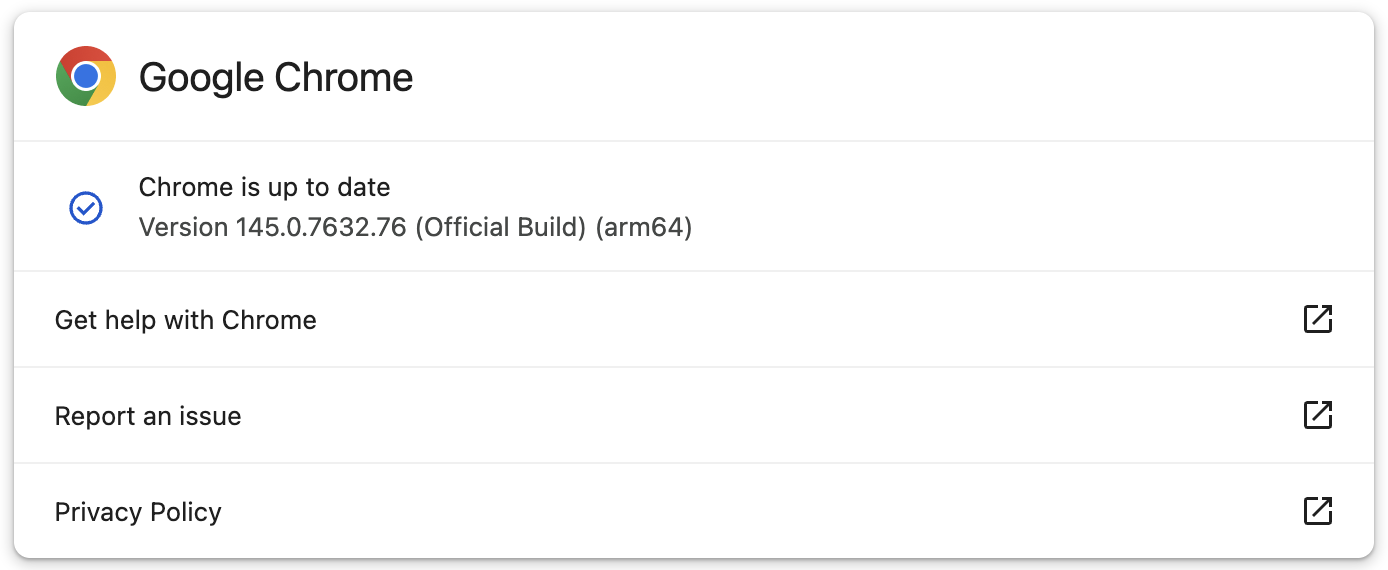
Google has already rolled out the fix for this vulnerability to users in the Stable Desktop channel, with new versions being distributed to Windows, macOS (145.0.7632.75/76), and Linux users (144.0.7559.75) worldwide in the coming days.
For users who prefer not to manually update, Chrome can automatically check for updates and install them upon the next launch.
This is the first actively exploited Chrome security vulnerability patched in 2026. In the previous year, Google addressed a total of eight zero-day vulnerabilities that were being exploited in the wild, many of which were reported by the Threat Analysis Group (TAG) known for identifying zero-days used in spyware attacks targeting high-risk individuals.

Modern IT infrastructure moves faster than manual workflows can handle.
In this new Tines guide, discover how your team can reduce hidden manual delays, enhance reliability through automated response, and create and scale intelligent workflows using tools you already use.











Revolutionary OLED Touchscreen MacBook Pro Set to Launch in November

We Designed the Ultimate Gaming Smartphone of 2018!

The Rare and Exclusive 900 PS: Limited Edition of 10

Revolutionizing Microsoft: The Copilot Rethink

The Cybersecurity Chronicles: Uncovering AI-Powered Threats, Live Secrets, and Model Inspection Risks

Control Resonant: Unleashing New Game ++

Creating Employee-Centric Health Benefits That Drive Engagement

Enhanced Vision: Unlocking the Secrets of Fine Print with Google’s Guided Vision

Texas School District Embraces the MacBook Neo: A New Era of Technology Education

EU Takes Action Against Instagram and Facebook for Violating Illegal Content Rules

Warning: Facebook Creators Face Monetization Loss for Stealing and Reposting Videos

Facebook’s New Look: A Blend of Instagram’s Style

Facebook Compliance: ICE-tracking Page Removed After US Government Intervention

Facebook and Instagram to Reduce Personalized Ads for European Users

InstaDub: Meta’s AI Translation Tool for Instagram Videos

Reclaim Your Account: Facebook and Instagram Launch New Hub for Account Recovery

Meta discontinues Messenger apps for Windows and macOS

Breaking Updates: Meta Connect 2025 Unveils Latest Developments
We Designed the Ultimate Gaming Smartphone of 2018!

Using the Cheapest Smartphone in the World.

Samsung Galaxy S9+ Unboxing! (Clone)

Unboxing the First Ever Samsung Galaxy S!!

Huawei P Smart – Huawei’s new Killer Budget Smartphone!

MYSTERY Package from Xiaomi – HUGE UNBOXING!

5 ways you’re using your Smartphone wrong.

THE INSANE DUAL BATTERY SMARTPHONE!

ELEPHONE U PRO UNBOXING AND REVIEW!
-
 Facebook11 months ago
EU Takes Action Against Instagram and Facebook for Violating Illegal Content Rules
-
 Facebook12 months ago
Warning: Facebook Creators Face Monetization Loss for Stealing and Reposting Videos
-
 Facebook10 months ago
Facebook’s New Look: A Blend of Instagram’s Style
-
 Facebook12 months ago
Facebook Compliance: ICE-tracking Page Removed After US Government Intervention
-
 Facebook10 months ago
Facebook and Instagram to Reduce Personalized Ads for European Users
-
 Facebook12 months ago
InstaDub: Meta’s AI Translation Tool for Instagram Videos
-
 Facebook10 months ago
Reclaim Your Account: Facebook and Instagram Launch New Hub for Account Recovery
-
 Apple12 months ago
Meta discontinues Messenger apps for Windows and macOS
