
Inovation
Secure Access: Biometric Passwordless Login and Enhanced EU Digital Wallet Protection

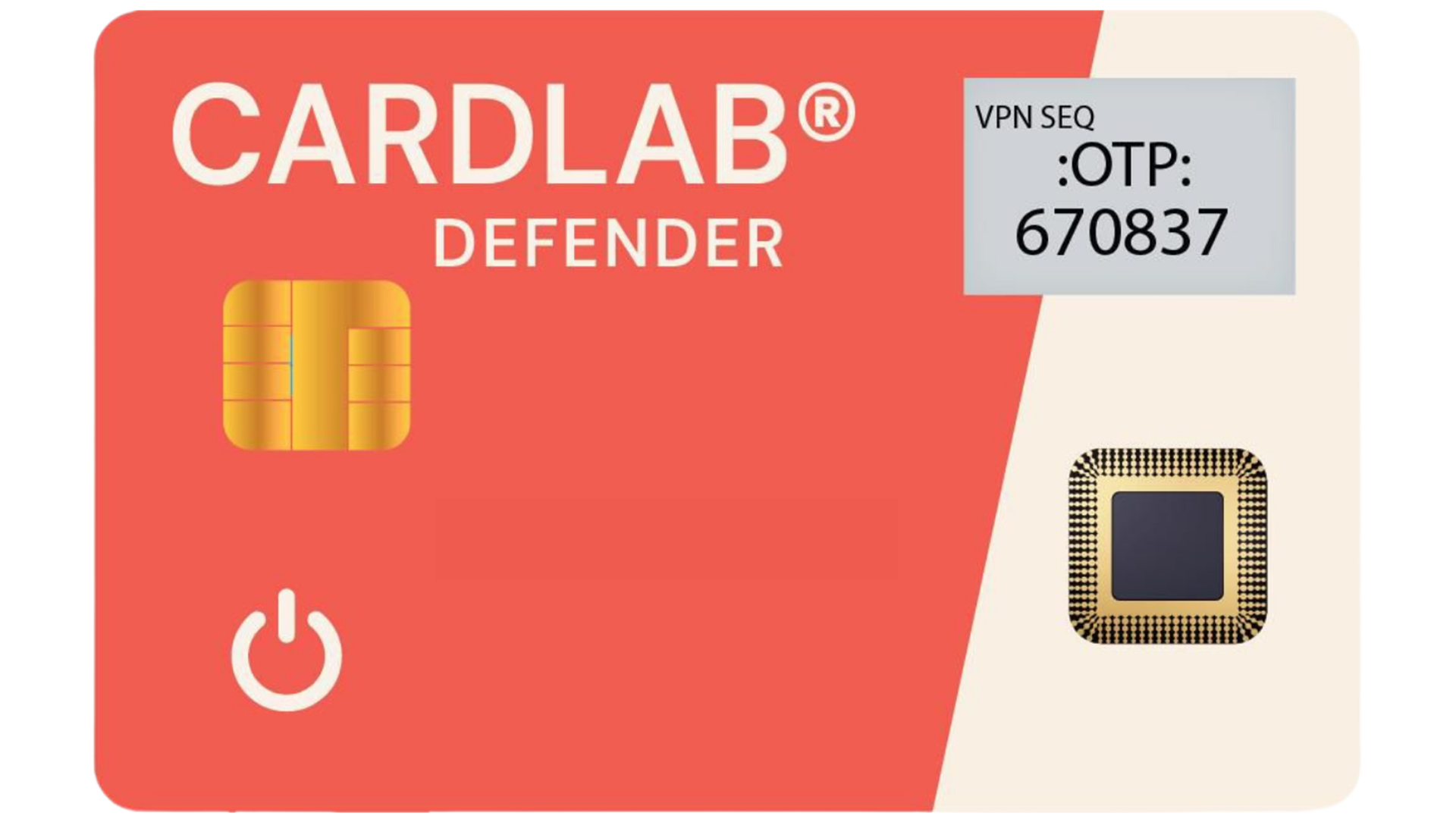
CardLab has unveiled its biometric FIDO authentication solution and is gearing up for the launch of a biometrically secured platform for the EU Digital wallet, utilizing offline biometric identity verification.
The era of digitalization has long been centered around enhancing efficiency and productivity. However, with the continuous rise in cyberattacks and ransomware, overlooking cybersecurity is no longer a viable option. Whether it’s a large multinational corporation or a small startup, the risks and consequences of inadequate digital protection are the same. Safeguarding industrial and infrastructure operations of the future requires robust cybersecurity measures to ensure the benefits of digitalization are realized while keeping identities and data secure.
Cybersecurity is no longer a standalone aspect but rather integral to achieving and sustaining high performance. Without robust protection, any productivity gains are built on unstable foundations.
CardLab’s biometric FIDO authentication solution, after receiving FIDO certification and undergoing extensive field testing, is now available as a combined physical and logical access card. This solution integrates with standard NFC access control systems and utilizes FIDO logon through Bluetooth and BLE technology. Additionally, CardLab introduces the QuardLock FIDO-certified authentication server solution, incorporating the biometric fingerprint card into a consolidated cybersecurity platform to ensure data protection and productivity are solidly maintained.
The biometric SmartCard with a fingerprint sensor operates offline, with encrypted fingerprint templates and private keys stored securely within the card and never leaving it. This offline approach provides a high level of hacker-proof identity verification and cybersecurity. By transitioning from device-based authentication to person-centric verification, the biometric SmartCard offers enhanced security and convenience. Users only need to bring their finger for verification, eliminating the risks associated with stolen devices, hacking, or compromised passwords.
The shift towards biometric FIDO authentication is crucial due to historical vulnerabilities associated with passwords, which are often the weakest link in cybersecurity and a common cause of data breaches. CardLab’s solution eliminates the need for passwords, offering a seamless and secure method to protect data and digital identities.
The FIDO2/passkey authentication method, which utilizes strong public key cryptography, replaces traditional passwords and time-based codes, making it highly resistant to various cyberattacks like phishing and man-in-the-middle attacks. The requirement for physical access to the device holding the private key, along with biometric verification, adds an extra layer of security to the authentication process.
To ensure zero-trust principles are met, robust identity verification processes are essential, along with organizational policies dictating access privileges. Implementing risk-based adaptive authentication procedures helps prevent phishing attempts by detecting suspicious access requests and challenging them accordingly, thwarting unauthorized access and potential malware or ransomware threats.
Several digital identity initiatives are underway to simplify digital life and enhance identity control, such as the EU Digital Identity Wallet (EUDIW). However, concerns around privacy and potential surveillance issues highlight the need for secure and anonymized digital identity solutions. The threat of hacking, theft, or PIN code interception poses significant risks to purely device-based digital solutions. Integrating biometric verification into digital identity wallets is crucial to ensure the validity and security of solutions like the EUDIW.
Under the EUDIW framework, the challenge lies in balancing offline usability with online compliance requirements, particularly concerning assurance levels, revocation, legal accountability, and privacy. Current digital wallet designs often rely on cloud-based trust models, which simplify compliance but introduce security risks, connectivity dependencies, and privacy concerns. CardLab offers an alternative approach where an offline biometric SmartCard serves as the master cryptographic authority for the Digital Identity Wallet, addressing the need for offline usability without compromising compliance.
The biometric SmartCard model aligns closely with Qualified Signature Creation Device (QSCD) principles and offers a path to high assurance level (LoA High) use cases. Recommendations include recognizing hardware-backed offline credentials as a valid eIDAS 2.0 compliance pattern, standardizing hybrid revocation mechanisms, and promoting interoperability across PKI, FIDO, and wallet ecosystems.
In conclusion, a tokenization-based identity model anchored in a biometric SmartCard aligns with eIDAS 2.0 principles, strengthens offline trust, enhances privacy, and supports EU digital sovereignty. Framed as regulated pseudonymization with lawful de-tokenization, this concept represents a logical next step in European digital identity. CardLab’s biometric SmartCard solution, combined with backend authentication services, ensures data protection and trust, safeguarding critical personal data in an increasingly digital world.











Unveiling the DarkSword Spyware Variant P7: Threatening the Security of Your iPhone

Top 10 most INSANE Limited Edition Smartphones!

European Launch: Customize Your 2027 BMW X5 50e, M60e, and iX5 60 Models Now!

Unifying the Developer Ecosystem: Insights from GitHub COO Kyle Daigle

Shining a Light on Amazon’s Kindle Light Leak Issue

The Talos Principle 3: Unveiling the Gameplay

Samsung Unveils Sneak Peek of Next-Gen Galaxy Z Fold 8

Embracing the Widescreen Phone Revival: Why Oppo Could Lead the Way

The Revolutionary Success of Jev: A $7.5B AI Model in Record Time

EU Takes Action Against Instagram and Facebook for Violating Illegal Content Rules

Warning: Facebook Creators Face Monetization Loss for Stealing and Reposting Videos

Facebook’s New Look: A Blend of Instagram’s Style

Facebook Compliance: ICE-tracking Page Removed After US Government Intervention

Facebook and Instagram to Reduce Personalized Ads for European Users

InstaDub: Meta’s AI Translation Tool for Instagram Videos

Reclaim Your Account: Facebook and Instagram Launch New Hub for Account Recovery

Meta discontinues Messenger apps for Windows and macOS

Breaking Updates: Meta Connect 2025 Unveils Latest Developments
Top 10 most INSANE Limited Edition Smartphones!

How Smart is the AI-Powered Huawei Mate 10 – with EMUI 8.0?

I used a 2012 Smartphone in 2018 – Here’s what happened.

How to send ANY file Anywhere!

NEW Oneplus 5T Sandstone White Unboxing – The Ultimate Oneplus 5T?

HUAWEI P20 – THE SMARTPHONE REVOLUTION IS HERE?

How OnePlus succeeded when they should have failed.

Samsung sent us THIS! #AD

Ulefone Power 3 – Quad Camera Smartphone that last 2 weeks!
-
 Facebook12 months ago
EU Takes Action Against Instagram and Facebook for Violating Illegal Content Rules
-
 Facebook12 months ago
Warning: Facebook Creators Face Monetization Loss for Stealing and Reposting Videos
-
 Facebook10 months ago
Facebook’s New Look: A Blend of Instagram’s Style
-
 Facebook12 months ago
Facebook Compliance: ICE-tracking Page Removed After US Government Intervention
-
 Facebook10 months ago
Facebook and Instagram to Reduce Personalized Ads for European Users
-
 Facebook12 months ago
InstaDub: Meta’s AI Translation Tool for Instagram Videos
-
 Facebook10 months ago
Reclaim Your Account: Facebook and Instagram Launch New Hub for Account Recovery
-
 Apple12 months ago
Meta discontinues Messenger apps for Windows and macOS
