
AI
Revolutionizing Marketing: Coca-Cola Embraces AI Technology for Accelerated Growth

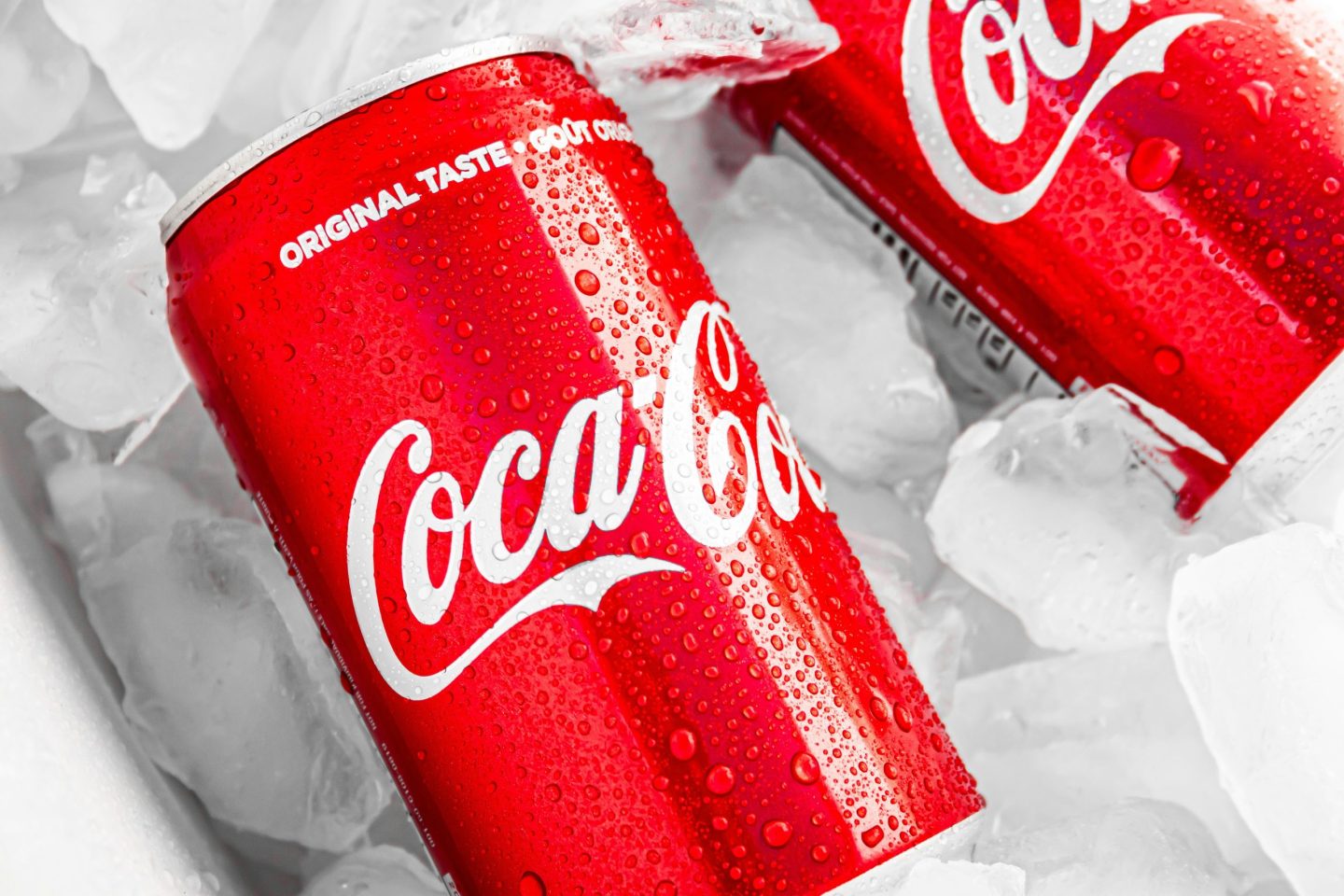
Coca-Cola’s Embrace of AI in Marketing Strategy Signals a Shift Towards Persuasion
Coca-Cola, known for its iconic beverage offerings, is making a strategic transition from focusing on price hikes to emphasizing persuasion in its latest marketing endeavors. This shift underscores the increasing integration of artificial intelligence (AI) into the heart of corporate marketing strategies.
Recent reports on the company’s leadership discussions reveal that Coca-Cola is embarking on a new phase that prioritizes influence over pricing power. As highlighted by Mi-3, the company is pivoting its attention from “price to persuasion,” recognizing the growing significance of digital platforms, AI, and in-store execution in driving demand. This strategic evolution mirrors changing consumer behaviors, particularly as inflationary pressures ease and businesses seek innovative approaches to sustain revenue growth.
This transformation entails a broader incorporation of AI within Coca-Cola’s marketing operations and decision-making processes. The company has already dabbled in leveraging generative AI for creative campaigns and is actively exploring how automation can streamline content creation, campaign planning, and distribution.
An analysis from The Current underscores Coca-Cola’s efforts to embed AI within its marketing workflows, expanding its utilization in creative production and campaign implementation. These initiatives encompass leveraging AI tools for image generation, storytelling assistance, and campaign customization across various channels.
Exploring the Role of AI in Marketing Operations
Recent developments indicate that Coca-Cola is experimenting with AI-driven systems to automate aspects of the advertising process, such as drafting scripts and crafting social media content. While these initiatives are still in the testing phase and not yet fully deployed, they exemplify a broader trend among major brands towards automated marketing pipelines. Rather than solely relying on agencies or lengthy creative cycles, companies are exploring avenues to expedite the journey from concept to campaign.
Over the past couple of years, many consumer goods companies have resorted to price increases to offset escalating costs. However, with the deceleration of inflation in several markets, this strategy is deemed to have limitations. The path to growth increasingly hinges on persuading consumers to make more frequent purchases or opt for higher-margin products. AI emerges as a pivotal tool in honing this persuasion at scale, utilizing data to tailor messages, target audiences, and adjust campaigns promptly.
Coca-Cola’s strategic approach aligns with a broader trajectory in marketing technology. Generative AI tools have swiftly transitioned from experimental usage to regular integration within large enterprises. According to McKinsey’s 2024 global AI survey, approximately one-third of organizations already leverage generative AI in at least one business function, with marketing and sales being predominant areas of adoption. Analysts anticipate a continual uptick in adoption as companies explore automation in creative endeavors and customer engagement.
AI’s Ascension in Corporate Strategy
What distinguishes Coca-Cola’s approach is the corporation’s framing of AI not merely as a cost-saving instrument but as a fundamental component of a broader operational shift. By prioritizing persuasion, the company underscores AI’s value in influencing demand rather than solely enhancing operational efficiency. This involves leveraging AI to analyze consumer behavior, customize messaging for diverse markets, and provide adaptable content support to local teams.
This strategic direction also reflects a burgeoning tension in the marketing domain. While automation can expedite production processes and experiment with multiple campaign ideas, it raises concerns regarding creative quality, brand consistency, and the role of human teams. Companies exploring AI-generated content must ensure that messaging resonates with their brand identity and cultural context. For global brands like Coca-Cola, this challenge is further compounded by the necessity for campaigns to resonate across various regions.
Another driving force behind this transition is the rapid proliferation of digital advertising channels. With a shift in spending towards social platforms, streaming services, and online retail media, the demand for content has surged. AI tools offer a means to generate multiple ad variants, test diverse approaches, and tailor messaging based on performance metrics. This renders automation not only appealing from a cost perspective but also in terms of speed and adaptability.
Coca-Cola’s strategic maneuver mirrors a broader trend: the upstream integration of AI in business processes. Initially centered on analytics or internal automation, early AI deployments have now extended to customer-facing functions like marketing strategy, creative development, and campaign management. This evolution suggests that AI is becoming integral to how companies vie for market share rather than solely streamlining expenses.
The company has not hinted at AI replacing creative teams or agencies entirely. Instead, the current trajectory indicates a hybrid model where automation tackles repetitive or data-intensive tasks while human teams steer brand voice and campaign concepts. Many marketing leaders foresee this blended approach as defining the forthcoming phase of AI adoption.
Coca-Cola’s emphasis on persuasion over pricing could potentially reshape how other consumer brands strategize for growth in a post-inflation landscape. If AI can aid businesses in finely tuning demand generation, it might reduce reliance on price adjustments or mass-market campaigns.
(Image Credit: James Yarema)
Further Reading: PepsiCo Utilizes AI to Revolutionize Factory Design and Updates
Interested in delving deeper into AI and big data insights from industry experts? Explore the AI & Big Data Expo scheduled in Amsterdam, California, and London. This comprehensive event is part of TechEx and co-located with other premier technology gatherings. Click here for additional information.
AI News is supported by TechForge Media. Discover upcoming enterprise technology events and webinars here.












The Best Android Launcher of 2018?

135 Ultimate Performance Machines: A Collection of 1M Coupes and E30 M3s

ShinyHunters Suspect Rey Held in Jordan, Assisting FBI in Uncovering Group Members

Navigating the Uncharted: A Crimson Desert Expansion

FRITZ!OS 8.50 Launches with Enhanced Features: DNS Filtering, Automatic Prioritization, and Matter Bridge Support

The Future of AI Adoption: Exploring the 2% of Consumers Embracing Super Intelligence

Apple’s Testimony: The Case for Removing ICEBlocks

Tesla’s Groundbreaking Feature: Use at Your Own Risk

NO GAME NO LIFE: Grasshopper Manufacture’s Indie Leap

EU Takes Action Against Instagram and Facebook for Violating Illegal Content Rules

Warning: Facebook Creators Face Monetization Loss for Stealing and Reposting Videos

Facebook’s New Look: A Blend of Instagram’s Style

Facebook Compliance: ICE-tracking Page Removed After US Government Intervention

Facebook and Instagram to Reduce Personalized Ads for European Users

InstaDub: Meta’s AI Translation Tool for Instagram Videos

Reclaim Your Account: Facebook and Instagram Launch New Hub for Account Recovery

Meta discontinues Messenger apps for Windows and macOS

Breaking Updates: Meta Connect 2025 Unveils Latest Developments
The Best Android Launcher of 2018?

Faraday Future FF 91 – 1050 Horsepower Madness!

The Truth about the OnePlus 5T – REAL Review.

Concept Smartphones that are better than Real Smartphones

Samsung Galaxy SII Unboxing!

The SECRET to Maximise Smartphone Battery Life?

We Designed the Ultimate Gaming Smartphone of 2018!

Using the Cheapest Smartphone in the World.

Samsung Galaxy S9+ Unboxing! (Clone)
-
 Facebook12 months ago
EU Takes Action Against Instagram and Facebook for Violating Illegal Content Rules
-
 Facebook12 months ago
Warning: Facebook Creators Face Monetization Loss for Stealing and Reposting Videos
-
 Facebook10 months ago
Facebook’s New Look: A Blend of Instagram’s Style
-
 Facebook12 months ago
Facebook Compliance: ICE-tracking Page Removed After US Government Intervention
-
 Facebook10 months ago
Facebook and Instagram to Reduce Personalized Ads for European Users
-
 Facebook12 months ago
InstaDub: Meta’s AI Translation Tool for Instagram Videos
-
 Facebook10 months ago
Reclaim Your Account: Facebook and Instagram Launch New Hub for Account Recovery
-
 Apple12 months ago
Meta discontinues Messenger apps for Windows and macOS
