
Mobile Tech
Understanding Apple’s Strategy Behind Updating iPhone Apps Without Adding New Features

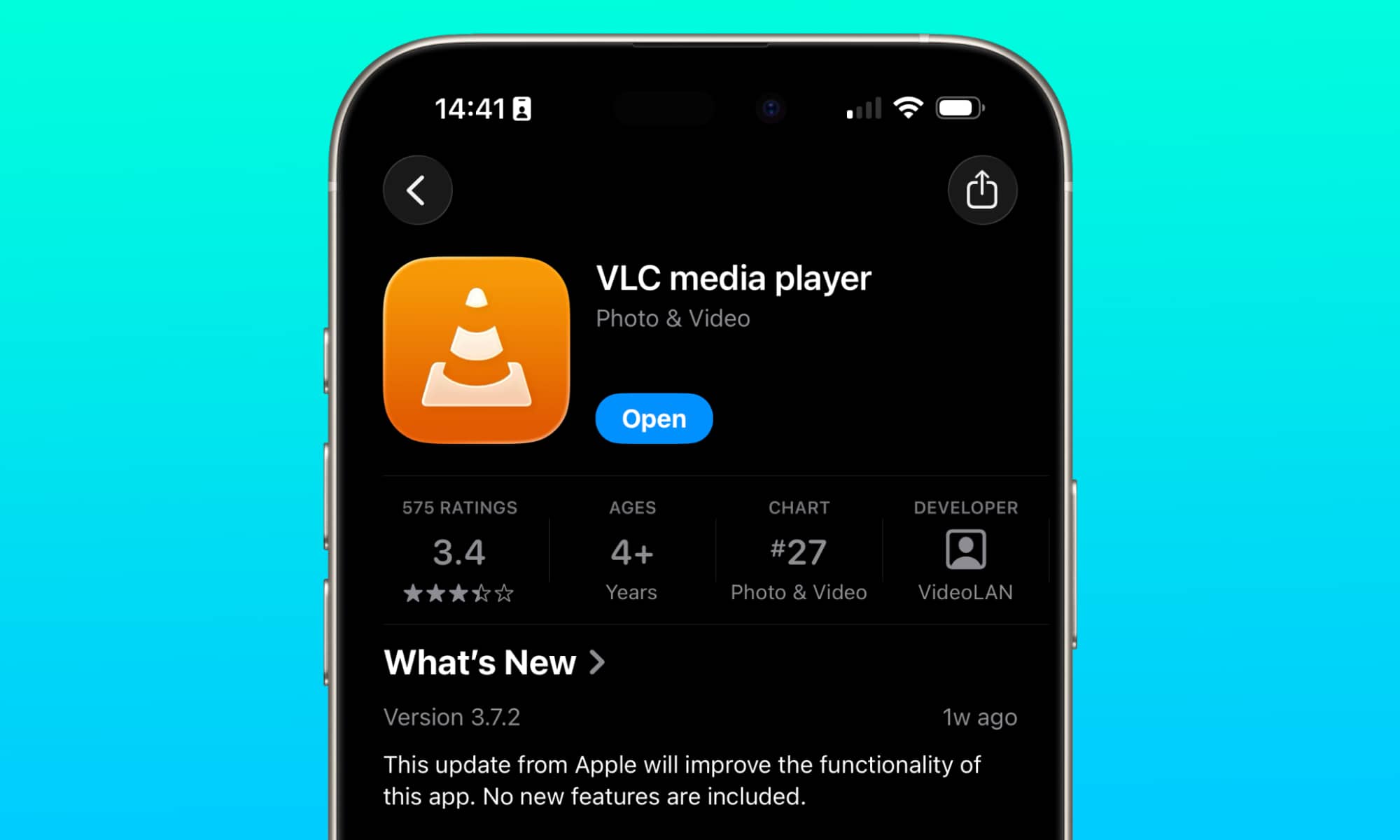
Recently, a series of peculiar and enigmatic app updates have appeared on the App Store, with release notes suggesting they are coming “from Apple” but explicitly stating that “No new features are included.”
Interestingly, the release notes actually do list changes and new features in many cases, despite the initial claim. The unusual aspect of Apple’s approach becomes apparent when one developer on Reddit pointed out that Apple is not incrementing the version numbers; instead, they are inserting the text into the current version at the top of the release notes and pushing out another download.
For instance, the VLC media player was impacted by this phenomenon. An update labeled version 3.7.2 was released by the developer early last week, including a new footer view in the album collection and various fixes in the release notes. Users who installed the update at that time would have only seen those mentioned features. However, a few days later, a new download with the same version number appeared, with the same text added to the top of the release notes.
This update from Apple will improve the functionality of this app. No new features are included.
This aligns with a report from Redditor iSan4eZ, who stated that “Apple inserted this text into my app and issued an update with the same version.” In a strange turn of events, the same developer later mentioned that Apple had released another update to remove the text from the patch notes.
There seems to be no discernible pattern to which apps receive this “Update from Apple” treatment, ranging from frequently updated ones to those that have not been updated in a year or more. An analysis by MacRumors of an app that received one of these mysterious updates did not reveal any apparent changes in the code.
Various theories have been proposed regarding why Apple may be taking this action. Some suggest it could be related to updating FairPlay certificates for DRM copy-protection or addressing compatibility issues in the binary. Others speculate about connections to the DarkSword exploit, although this remains speculative given the random selection of affected apps and the comprehensive patching of vulnerabilities in recent iOS updates.
The most plausible explanation is that this issue pertains to app packaging rather than actual code modifications. It is unlikely that Apple would interfere with developers’ code without their knowledge, as this would be intrusive and potentially problematic. The process of “notarization” involves digitally signing every app before it can run on an iPhone, and situations like expiring certificates may necessitate re-signing apps and pushing them back to users’ devices.










Upgrade Alert: HomePod Mini 2 and HomePod 2 Set to Become Default Mac Speakers

Finally Fixing my Wi-Fi – Zyxel Multy X!

Lost in the Living Maze: Unraveling Hidden Terrain Magic Through Copy-Paste

Samsung Unveils Exclusive Galaxy Z Fold 8 BTS Edition

Navigating the Digital World: Expert Tech Advice for Everyman

OMass Therapeutics Secures €275 Million Funding to Advance Innovative Small-Molecule Therapies

The Evolution of Apple’s Smart Home Strategy: A Closer Look at Their Own Devices

Unveiling the Imposter: The Truth Behind the Fake WhatsApp Clone on the Play Store

Digital Protection: How a 1988 Law Could Safeguard Your Online Viewing Experience

EU Takes Action Against Instagram and Facebook for Violating Illegal Content Rules

Warning: Facebook Creators Face Monetization Loss for Stealing and Reposting Videos

Facebook’s New Look: A Blend of Instagram’s Style

Facebook Compliance: ICE-tracking Page Removed After US Government Intervention

Facebook and Instagram to Reduce Personalized Ads for European Users

InstaDub: Meta’s AI Translation Tool for Instagram Videos

Reclaim Your Account: Facebook and Instagram Launch New Hub for Account Recovery

Meta discontinues Messenger apps for Windows and macOS

Breaking Updates: Meta Connect 2025 Unveils Latest Developments
Finally Fixing my Wi-Fi – Zyxel Multy X!

$25,000 Gaming Setup – EVOLUTION!

The Maze Alpha X is HERE!

Cool Tech under $100 – December!

MYSTERY UNBOXING FROM GOOGLE!

TOP 6 Smartphones from Companies you NEVER Expected!

A Surprise Smartphone from EE!

DOOGEE MIX 2 VS DOOGEE MIX 1!

INCREDIBLE Smartphone Gadgets on Amazon!
-
 Facebook12 months ago
EU Takes Action Against Instagram and Facebook for Violating Illegal Content Rules
-
 Facebook1 year ago
Warning: Facebook Creators Face Monetization Loss for Stealing and Reposting Videos
-
 Facebook10 months ago
Facebook’s New Look: A Blend of Instagram’s Style
-
 Facebook1 year ago
Facebook Compliance: ICE-tracking Page Removed After US Government Intervention
-
 Facebook10 months ago
Facebook and Instagram to Reduce Personalized Ads for European Users
-
 Facebook1 year ago
InstaDub: Meta’s AI Translation Tool for Instagram Videos
-
 Facebook11 months ago
Reclaim Your Account: Facebook and Instagram Launch New Hub for Account Recovery
-
 Apple12 months ago
Meta discontinues Messenger apps for Windows and macOS
