
Inovation
Bio-Electronic Fusion: The Living Metal Connection

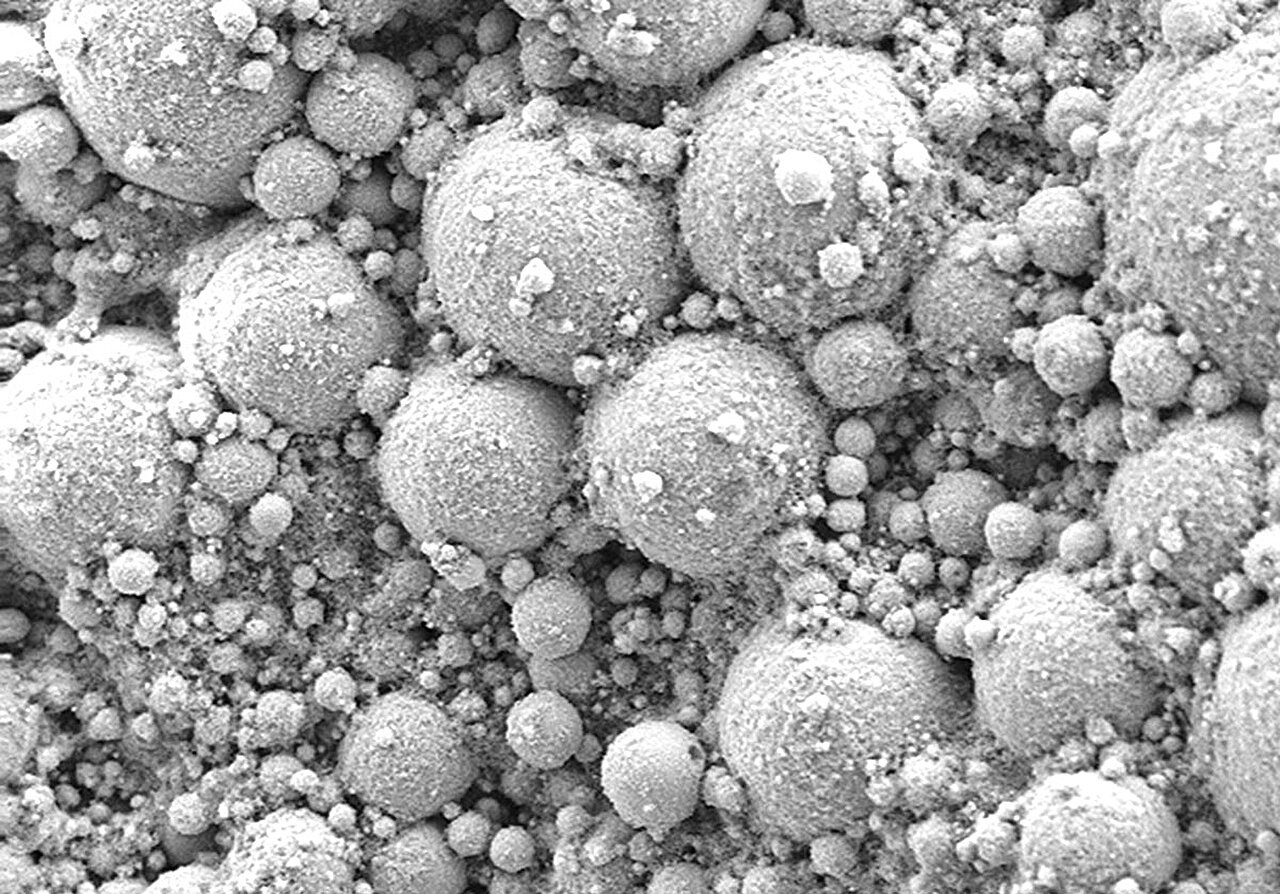
Advancements in electronics have led to the transformation of rigid systems into adaptive platforms capable of seamlessly interacting with biological environments. Researchers at Binghamton University are at the forefront of developing “living metal” composites integrated with bacterial endospores, facilitating dynamic communication and integration between electronic and biological systems.
In a recent publication in the journal Advanced Functional Materials, Professor Seokheun “Sean” Choi, along with Maryam Rezaie, Ph.D., and doctoral student Yang “Lexi” Gao, present their innovative study on liquid living metal composites that have the potential to redefine the future of bioelectronics.
Professor Choi, from the Department of Electrical and Computer Engineering at the Thomas J. Watson College of Engineering and Applied Science, has been instrumental in bridging the gap between electronic and biological systems through his pioneering technologies.
Prior projects in bioelectronics primarily utilized conductive polymer materials due to the challenges associated with liquid metals. The hydrophobic nature of liquid metals impedes adhesion to electronic substrates, leading to the formation of an oxide layer upon exposure to air or water, restricting electron flow and disrupting communication between electronic and biological systems.
Professor Choi recognized the limitations of polymers, stating, “I was unsatisfied with the interface as it lacked seamlessness. While polymers are conductive, they do not match the conductivity of metal. Moreover, bioelectronics operating in harsh environments are susceptible to mechanical damage and require self-healing properties.”
He believes that the key lies in electrogenic bacteria, which generate small amounts of power. By combining liquid metal with dormant endospores of the Bacillus subtilis bacteria, previously used by Choi for biobattery development, the resulting composite material overcomes many challenges associated with liquid metal alone.
According to Professor Choi, the interaction between the spores and liquid metal droplets is significant, as the chemical functional groups on the spores’ surface disrupt the oxide layers of the liquid metal, enabling conductivity. The spores remain dormant under harsh conditions and germinate in favorable environments. The composite material can be easily integrated into device substrates like paper while retaining the advantageous properties of metal, exhibiting enhanced electrical conductivity upon germination of the spores.
Moreover, the composite material demonstrates self-healing capabilities, autonomously filling gaps in the event of material breakage, a crucial feature for damaged circuits that are challenging to replace.
Further experimentation is required before commercial applications to refine the activation control of endospores and evaluate the stability of liquid living metal composites in various environments over the long term.
Future applications of such materials could enable wearable or implantable devices to interact safely and directly with human tissue, creating seamless integration between biological and electronic systems.
Professor Choi envisions integrating electrogenic bacteria into living electrodes to bridge the gap between molecular and electronic communication, ensuring efficient interaction between the two systems.











Cyberpunk 2077: The Endless Battle with Phantom Liberty’s Chimera Tank

Unlock the Power of Adobe Premiere with a Free App for Android Phones – Tech Advisor

iBeer: How One App Took the App Store by Storm

Apple’s Innovative Approach to Fitness Tracking: A Screenless Solution in the Works

Rolls-Royce Cullinan Dominates Russian Luxury Car Market, Outselling Spectre, Ghost & Phantom Combined

Microsoft Appoints Brad Smith as Head of Corporate Communications

The Lord of the Rings: War in the North Legacy Edition – Patch One: The Beginning of a New Journey

Revolutionizing Android: 5 Innovative Features That Will Transform User Experience

Xiaomi 18 Pro: Global Launch Set for 2026, Confirmed by Tech Advisor

EU Takes Action Against Instagram and Facebook for Violating Illegal Content Rules

Warning: Facebook Creators Face Monetization Loss for Stealing and Reposting Videos

Facebook’s New Look: A Blend of Instagram’s Style

Facebook Compliance: ICE-tracking Page Removed After US Government Intervention

Facebook and Instagram to Reduce Personalized Ads for European Users

InstaDub: Meta’s AI Translation Tool for Instagram Videos

Reclaim Your Account: Facebook and Instagram Launch New Hub for Account Recovery

Meta discontinues Messenger apps for Windows and macOS

Breaking Updates: Meta Connect 2025 Unveils Latest Developments

Does a Cheap 2018 Smartphone beat a 2013 Flagship?

Samsung Galaxy S9 & S9+ UNBOXING!

Samsung Galaxy S9 Plus vs iPhone X

The BEST $300 Phone (2018) ft. MKBHD, Technical Guruji, iJustine + More

Samsung Galaxy S9 Plus Gaming Review! (vs OnePlus 5T)

THE BEST PHONE HTC EVER MADE?

The Truth about Google?

Samsung S9/ S9+ vs iPhone X vs Galaxy Note 8 Battery Life DRAIN TEST

Samsung S9 / S9+ vs Mate 10 Pro vs iPhone X Charging SPEED Test
-
 Facebook11 months ago
EU Takes Action Against Instagram and Facebook for Violating Illegal Content Rules
-
 Facebook12 months ago
Warning: Facebook Creators Face Monetization Loss for Stealing and Reposting Videos
-
 Facebook10 months ago
Facebook’s New Look: A Blend of Instagram’s Style
-
 Facebook12 months ago
Facebook Compliance: ICE-tracking Page Removed After US Government Intervention
-
 Facebook10 months ago
Facebook and Instagram to Reduce Personalized Ads for European Users
-
 Facebook12 months ago
InstaDub: Meta’s AI Translation Tool for Instagram Videos
-
 Facebook10 months ago
Reclaim Your Account: Facebook and Instagram Launch New Hub for Account Recovery
-
 Apple11 months ago
Meta discontinues Messenger apps for Windows and macOS
