
Security
GlassWorm Strikes Back: 3 New VSCode Extensions Infected on OpenVSX


An alarming resurgence of the GlassWorm malware campaign has been detected, impacting the OpenVSX and Visual Studio Code marketplaces once again. This time, three new VSCode extensions have surfaced, garnering over 10,000 downloads within a short span.
Characterized by its utilization of Solana transactions to retrieve a payload targeting account credentials from GitHub, NPM, and OpenVSX, as well as cryptocurrency wallet data from 49 extensions, GlassWorm poses a significant threat to users.
The malware employs invisible Unicode characters that appear as blanks but execute as JavaScript, enabling malicious activities to be carried out seamlessly.

Initially introduced through 12 extensions on Microsoft’s VS Code and OpenVSX platforms, with a total of 35,800 downloads, the true extent of the campaign’s impact remains uncertain due to potential inflation of download numbers by the threat actor.
In response to the breach, Open VSX took proactive measures by rotating access tokens for compromised accounts, implementing enhanced security protocols, and officially closing the incident.
The Resurgence of GlassWorm
Recent observations by Koi Security, a cybersecurity firm monitoring the campaign, reveal that the attacker has revisited OpenVSX, leveraging familiar infrastructure but with updated command-and-control (C2) endpoints and Solana transactions.
The three tainted OpenVSX extensions identified as carriers of the GlassWorm payload are:
- ai-driven-dev.ai-driven-dev — 3,400 downloads
- adhamu.history-in-sublime-merge — 4,000 downloads
- yasuyuky.transient-emacs — 2,400 downloads
Koi Security notes that all three extensions utilize the same covert Unicode character obfuscation technique seen in the original files, effectively evading OpenVSX’s enhanced defenses.
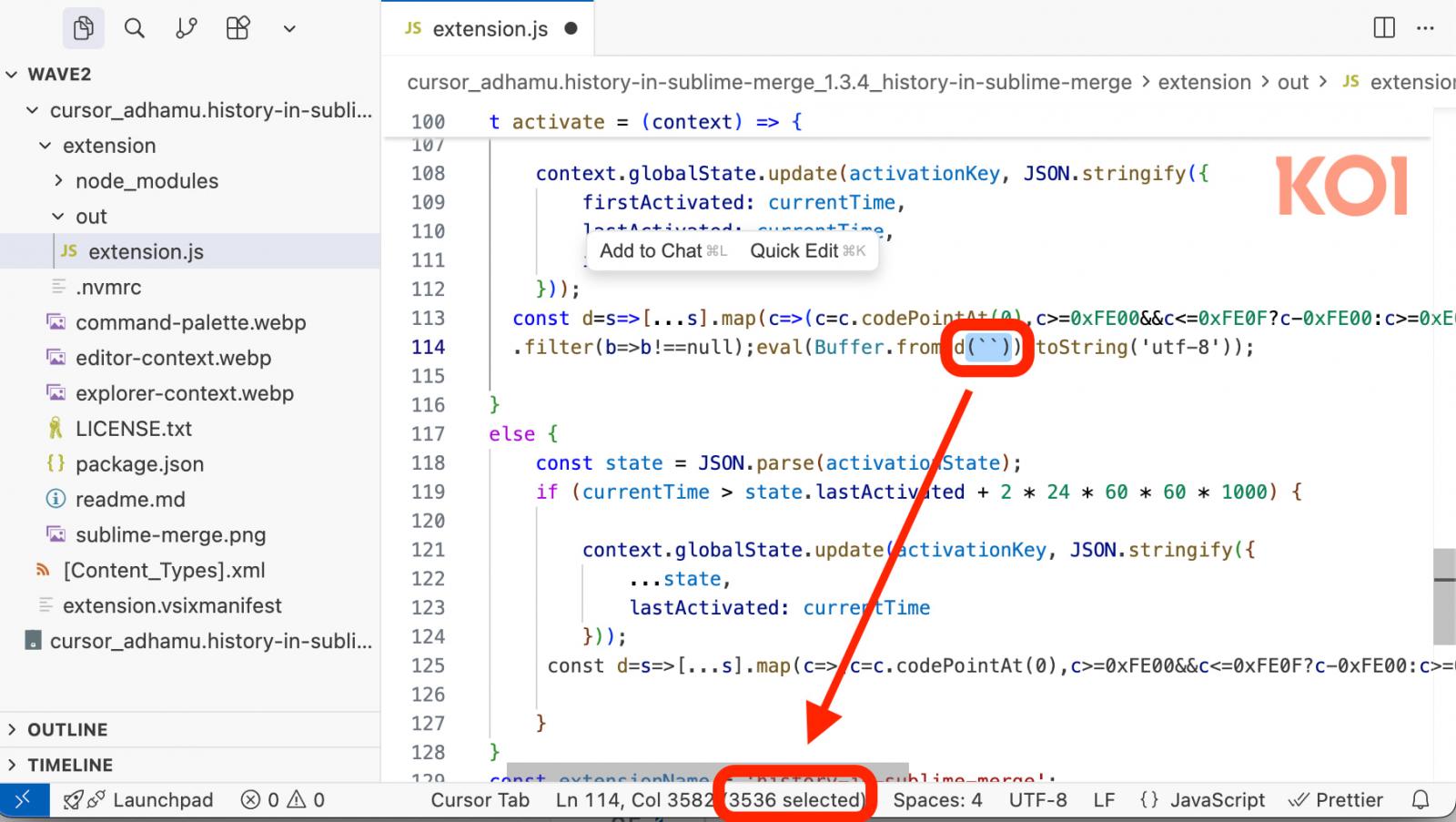
Source: Koi Security
Despite previous exposure, GlassWorm operators persisted in their malicious activities and had pivoted to GitHub. The return to OpenVSX through new extensions signifies a strategic move to resume operations across multiple platforms.
Unveiling the Attack Infrastructure
An anonymous tip received by Koi Security led to the discovery of the attackers’ server, providing crucial insights into the victims impacted by the campaign.
Data retrieved indicates a global reach, with GlassWorm infections identified in systems across the United States, South America, Europe, Asia, and even within a government entity in the Middle East.
Further investigation reveals that the operators, who predominantly speak Russian, rely on the RedExt open-source C2 browser extension framework for their operations.
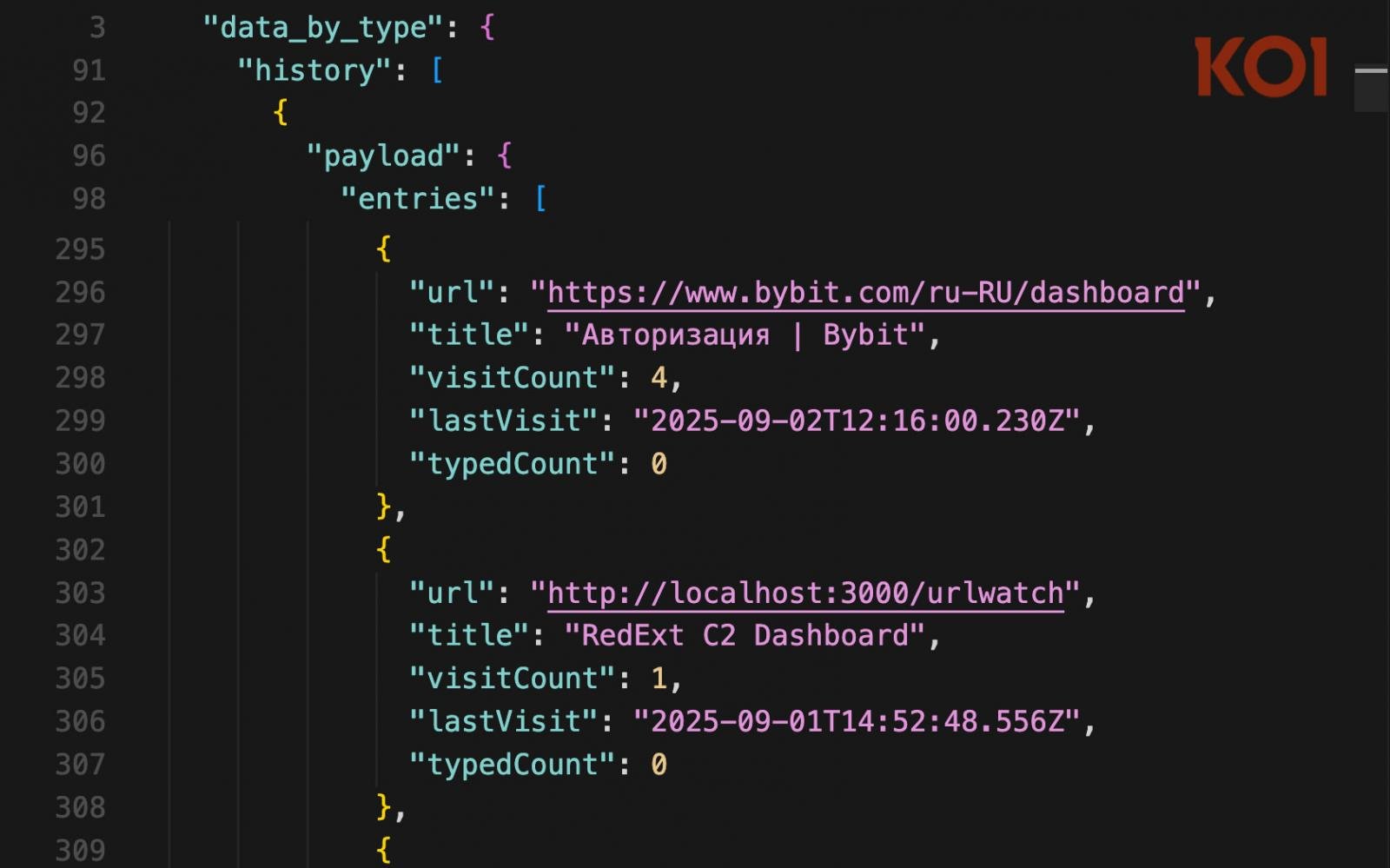
Source: Koi Security
Koi Security has cooperated with law enforcement, sharing critical data such as user IDs from multiple cryptocurrency exchanges and messaging platforms. Efforts are underway to notify organizations impacted by the breach.
With 60 distinct victims identified so far, based on information extracted from a single exposed endpoint, the severity of the situation is evident. The GlassWorm-infected extensions remain accessible for download on OpenVSX at present.

Empower your team with essential guidance on secrets management and secure coding practices. Download the cheat sheet now for comprehensive insights.













Streaming Wars: Disney+ and Hulu Increase Subscription Fees in 2026

The Surprising TRUTH about Samsung – 15 things you did not know.

McLaren’s Legacy: The Remuera and Muriwai Trademarks

Cloudscape Chronicles: A Fumito Ueda-inspired Parkour Adventure

Rising Prices: Samsung Galaxy Tab S12 and Xiaomi Pad 9 Series

Uncovering the Hidden Profit Potential: Startup Lessons from Healthy Averages

Apple’s Costly Conundrum: $5.7 Billion Damages for Haptic Patent Infringement

Snack Time and Screen Time: Free Peanuts and Fresh Shows

The Ultimate BMW N62 V8 Engine Handbook: Troubleshooting, Performance Upgrades, and Durability

EU Takes Action Against Instagram and Facebook for Violating Illegal Content Rules

Warning: Facebook Creators Face Monetization Loss for Stealing and Reposting Videos

Facebook’s New Look: A Blend of Instagram’s Style

Facebook Compliance: ICE-tracking Page Removed After US Government Intervention

Facebook and Instagram to Reduce Personalized Ads for European Users

InstaDub: Meta’s AI Translation Tool for Instagram Videos

Reclaim Your Account: Facebook and Instagram Launch New Hub for Account Recovery

Meta discontinues Messenger apps for Windows and macOS

Breaking Updates: Meta Connect 2025 Unveils Latest Developments
The Surprising TRUTH about Samsung – 15 things you did not know.

10 Incredible Android DIY Hacks!

Does a Cheap 2018 Smartphone beat a 2013 Flagship?

Samsung Galaxy S9 & S9+ UNBOXING!

Samsung Galaxy S9 Plus vs iPhone X

The BEST $300 Phone (2018) ft. MKBHD, Technical Guruji, iJustine + More

Samsung Galaxy S9 Plus Gaming Review! (vs OnePlus 5T)

THE BEST PHONE HTC EVER MADE?

The Truth about Google?
-
 Facebook11 months ago
EU Takes Action Against Instagram and Facebook for Violating Illegal Content Rules
-
 Facebook12 months ago
Warning: Facebook Creators Face Monetization Loss for Stealing and Reposting Videos
-
 Facebook10 months ago
Facebook’s New Look: A Blend of Instagram’s Style
-
 Facebook12 months ago
Facebook Compliance: ICE-tracking Page Removed After US Government Intervention
-
 Facebook10 months ago
Facebook and Instagram to Reduce Personalized Ads for European Users
-
 Facebook12 months ago
InstaDub: Meta’s AI Translation Tool for Instagram Videos
-
 Facebook10 months ago
Reclaim Your Account: Facebook and Instagram Launch New Hub for Account Recovery
-
 Apple11 months ago
Meta discontinues Messenger apps for Windows and macOS
