
Microsoft
Valve’s Ultimate Xbox: The Console of Microsoft’s Dreams

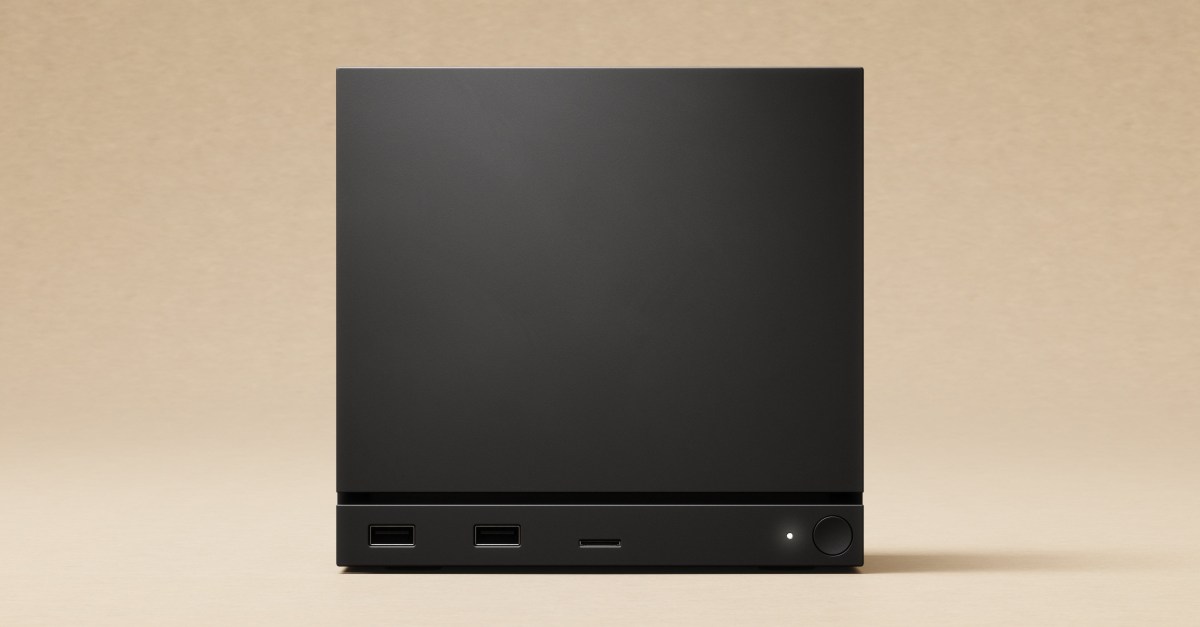
Valve has introduced a new PC-based gaming console that fits snugly under your TV, called the Steam Machine. This console combines the best features of the Steam Deck with the power to compete against the latest PlayStation and Xbox consoles. The Steam Machine resembles a miniature Xbox Series X, running Windows PC games through Valve’s Linux-based SteamOS. Powered by two AMD chips, it promises performance comparable to an Xbox Series X or PS5.
One of the key features that sets the Steam Machine apart is its SteamOS, which enables it to be a strong contender against Xbox and PS5. Unlike Valve’s previous attempt at Steam Machines a decade ago, this new iteration utilizes the Proton compatibility layer, allowing most Windows PC games to run seamlessly, often even better than on equivalent Windows handhelds.
Although Valve has not announced any OEM plans for the Steam Machine yet, it poses a significant threat to Microsoft’s next-gen Xbox plans. Microsoft aims to merge Xbox and Windows for its upcoming consoles, similar to the Steam Machine’s approach. Asus’ Xbox Ally handhelds provide a glimpse into Microsoft’s direction, focusing on Windows at the core with an Xbox UI overlay.
Microsoft’s current combination of Windows and Xbox seems premature, shipping on a $1,000 device. The company has essentially transformed the Xbox PC app into Steam’s Big Picture Mode, streamlining Windows to hide some of its complexities. However, there is still much room for improvement, especially in enhancing the Xbox full-screen experience and simplifying the Windows interface. Valve’s Steam Machine now intensifies the pressure on Microsoft to perfect its vision.
Valve’s potential to partner with other PC OEMs to produce more Steam Machines in the future could further challenge Microsoft. While Microsoft is working on its next-gen Xbox hardware, it also aims to encourage OEMs to develop Xbox-branded devices, similar to Asus’ Xbox Ally. This sets the stage for increased competition between Microsoft and Valve.
Both Microsoft and Valve are targeting a similar audience – gamers interested in PC gaming but seeking a more straightforward console-like experience, as well as existing PC gamers looking for a reliable living room gaming option. Valve’s refined SteamOS, with its dominant PC gaming storefront, positions the Steam Machine as a compelling choice, while Microsoft is working on a combination of Windows and Xbox without being tied to a single store.
The Steam Machine’s pricing, expected to be comparable to a PC with similar specs, may be higher than subsidized consoles, especially as Microsoft and Sony are increasing console prices. Microsoft hints that its next-gen Xbox will offer a premium, high-end experience, likely at a more PC-like price point.
As the Steam Machine streamlines PC gaming for the living room, it also highlights Windows’ performance issues and Microsoft’s direction with its operating system. SteamOS has outperformed Windows in various titles, prompting some PC gamers to explore Linux for the first time. With growing discontent among the PC gaming community towards Microsoft’s Windows approach, the Steam Machine serves as a wakeup call for Microsoft to focus on performance and gaming rather than unnecessary features.
Valve’s strategic move with the Steam Machine appears to be a well-timed response to Microsoft’s struggles with Windows gaming over the years. Valve’s efforts to introduce a PC-like gaming console reflect a vision that Microsoft has been pursuing for years, from Windows Media Center to the Xbox One’s integration with Windows. However, instead of Windows, Valve opts for Linux, achieving a unique approach to the living room gaming experience.
Microsoft’s Gaming CEO, Phil Spencer, has shown positivity towards Valve’s announcement, emphasizing the importance of choice across PC, console, and handheld devices. Microsoft remains confident in its path for the next Xbox devices but faces stiff competition from Valve in the living room gaming space. Game on.
In other news, recent developments within Microsoft’s Windows Insider program have seen key figures like Brandon LeBlanc, Amanda Langowski, and Jason Howard transitioning to new roles within the company. Despite these changes, Microsoft assures that there will be no disruptions to the Windows Insider Program. The program will now be overseen by Alec Oot, Principal Group Product Manager for Windows Servicing and Delivery.
The future of the Windows Insider Program remains uncertain, with the current blog posts on Windows preview builds remaining unnamed. Microsoft’s AI capabilities may play a larger role in generating future blog content. Nevertheless, Microsoft’s commitment to engaging with its Insider community, especially in light of the program’s inception during the Windows 10 era, remains steadfast.
For further updates and insights on Microsoft’s secret projects, readers are encouraged to reach out via email or the Signal messaging app. Thank you for subscribing to Notepad.










Expert Tips for Buying a BMW X5: Insights from a Seasoned Owner of 103 Models

Microsoft’s Bold Vision: The Copilot ‘Super App’ Set to Rival Office in Influence

Lost in the Fantasia: The Rise and Fall of a Colourful JRPG

The Ultimate Performance: Exploring Phones with Qualcomm Snapdragon 8 Elite Gen 6 Processor

Mark Wahlberg: Disrupting the Future in 2026

Apple’s Latest Innovations Unveiled: HomePod mini, iPad mini, and Apple TV 4K Leak

Grand Opening of London’s Apple Music Hall: A Night with Elton John and Special Guests

Setting the Standard: How Bentley’s Design Influence Inspires Imitation

Industry Impact: Microsoft’s Job Cuts Shake Up Artists, Game Designers, and Producers in Washington State

EU Takes Action Against Instagram and Facebook for Violating Illegal Content Rules

Warning: Facebook Creators Face Monetization Loss for Stealing and Reposting Videos

Facebook’s New Look: A Blend of Instagram’s Style

Facebook Compliance: ICE-tracking Page Removed After US Government Intervention

Facebook and Instagram to Reduce Personalized Ads for European Users

InstaDub: Meta’s AI Translation Tool for Instagram Videos

Reclaim Your Account: Facebook and Instagram Launch New Hub for Account Recovery

Meta discontinues Messenger apps for Windows and macOS

Breaking Updates: Meta Connect 2025 Unveils Latest Developments

Samsung Galaxy S9 & S9+ UNBOXING!

Samsung Galaxy S9 Plus vs iPhone X

The BEST $300 Phone (2018) ft. MKBHD, Technical Guruji, iJustine + More

Samsung Galaxy S9 Plus Gaming Review! (vs OnePlus 5T)

THE BEST PHONE HTC EVER MADE?

The Truth about Google?

Samsung S9/ S9+ vs iPhone X vs Galaxy Note 8 Battery Life DRAIN TEST

Samsung S9 / S9+ vs Mate 10 Pro vs iPhone X Charging SPEED Test

The BEST APPS in 2018 – ft. MKBHD, UrAvgConsumer, iJustine + More
-
 Facebook11 months ago
EU Takes Action Against Instagram and Facebook for Violating Illegal Content Rules
-
 Facebook12 months ago
Warning: Facebook Creators Face Monetization Loss for Stealing and Reposting Videos
-
 Facebook10 months ago
Facebook’s New Look: A Blend of Instagram’s Style
-
 Facebook12 months ago
Facebook Compliance: ICE-tracking Page Removed After US Government Intervention
-
 Facebook10 months ago
Facebook and Instagram to Reduce Personalized Ads for European Users
-
 Facebook12 months ago
InstaDub: Meta’s AI Translation Tool for Instagram Videos
-
 Facebook10 months ago
Reclaim Your Account: Facebook and Instagram Launch New Hub for Account Recovery
-
 Apple11 months ago
Meta discontinues Messenger apps for Windows and macOS
