
Tech News
Navigating the Path to Success: The Essentials of a Minimum Viable Product for Entrepreneurs

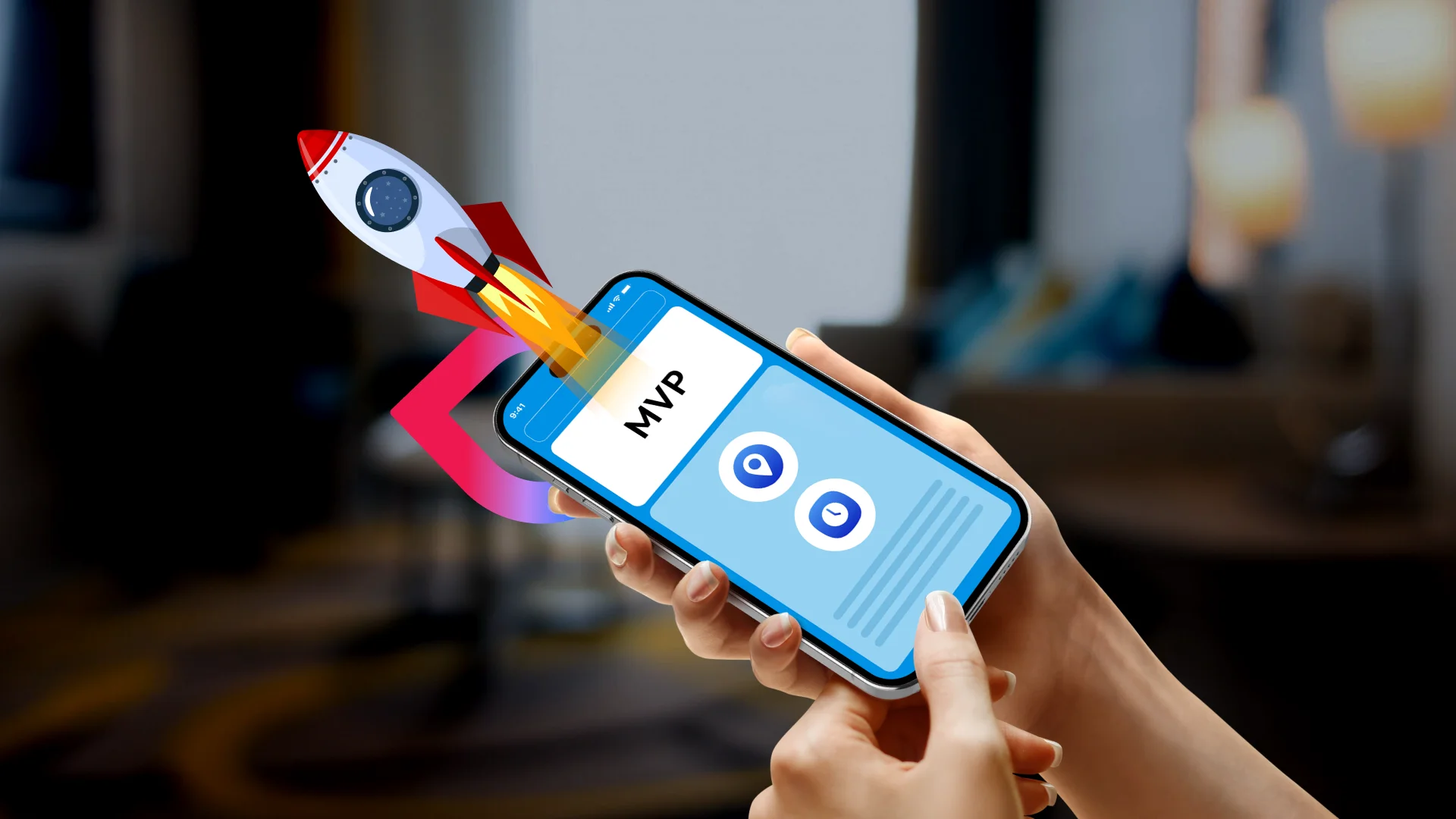
Why You Should Consider Building a Minimum Viable Product (MVP)
Businesses looking to make a quicker entry into the market with reduced development costs and great market validation can benefit from building a Minimum Viable Product (MVP). The MVP can help save time and costs while gathering real-world user feedback, giving you an edge over competitors.
In this comprehensive guide, we will walk you through the process of building an MVP, provide examples of successful minimum viable products, discuss key considerations during MVP development, and much more to help you achieve success.
Startups and established companies like Uber, Zappos, Twitter, and Facebook have successfully used MVPs to test their concepts and products, showcasing the effectiveness of this approach.
Research by CB Insights reveals that approximately 38% of startups fail due to running out of cash. Having a clear financial roadmap in place can significantly increase the chances of success for businesses.
Understanding how to build a minimum viable product becomes crucial in this scenario. An MVP is a fundamental strategy to maximize learning while minimizing risk.
Instead of investing in a fully-featured product, building an MVP involves creating a version with just enough functionality to be valued by the first users. This approach enables gathering crucial feedback and data directly from the market.
This guide will cover everything you need to know about MVP development, from building an MVP to prioritizing features and making informed decisions based on user feedback.
Key Takeaways
- An MVP is a tool to learn, design, and test a business idea, focusing on collecting real-time user feedback.
- An MVP addresses a specific problem for a specific audience.
- The “BUILD-MEASURE-LEARN” loop drives MVP development.
- Businesses use user feedback and data to make decisions, leading to quick iteration and refinement.
- Building an MVP requires strategic decisions on market research, user flow, feature prioritization, and selecting the right tech stack for mobile app development.
What is MVP Development?
MVP is the simplest version of a product built from scratch to be sold in the market. It provides enough value to the target audience, allowing for feedback collection and subsequent changes based on real-time user data.
Key characteristics of MVP include core functionality, usability, and scalability.
In MVP development, the focus is on creating a functional product variant that solves a specific user problem with essential features. This approach helps startups and businesses avoid overbuilding or investing resources in unnecessary features.
From idea to validation in MVP development, a systematic and strategic process is required to avoid common failures. Launching an MVP that solves specific problems for a defined audience with minimal features is essential.
1. Choosing the Right Tech Stack
Selecting the appropriate tools and technologies for MVP development directly influences product scalability, efficiency, and performance. Choosing the right tech stack is vital for building an efficient MVP.
2. Leveraging MVP Development Tools
Modern tools for prototyping, project management, and user feedback are essential for streamlining the development process. These resources help teams iterate faster and maintain focus on critical tasks.
3. Gathering the Right Expertise
The success of an MVP depends on the skills and expertise of the development team. Partnering with experts is crucial to avoid common pitfalls in MVP development.
4. Defining the “Viable” in MVP
Precisely defining viability in an MVP means the product should solve a core problem for a specific audience willing to use and provide feedback.
5. Embracing the Feedback Loop
Collecting and analyzing user feedback is essential in MVP development. Having a process in place to gather and analyze feedback is crucial for MVP success.
How to Build an MVP App?
Building a minimum viable product is a critical step in transforming ideas into launch-ready products. The structured and systematic MVP development process allows for quick concept validation while managing development costs effectively. Here are the steps to build an MVP:
Step 1: Define the Idea, Problem, and Target Audience
Define your idea, problem, and target audience clearly. Ensure the problem your product solves is meaningful, and identify the audience that will benefit from your solution. Conduct market research to validate demand for your solution.
Step 2: Select Your Core Features and Design
Prioritize essential features using methods like RICE and MoSCoW. Avoid integrating non-essential features in your MVP. Include only necessary features to address the core problem and keep the user journey simple and intuitive.
Step 3: Start with Development and Testing
Select suitable technologies and tools for development, focusing on simplicity and scalability. Build your product with necessary features using an agile approach for flexibility and quick iterations. Test the product internally for usability and functionality.
Step 4: Gather the Feedback
Launch your MVP to a small group of target users to gather real-world insights on product performance. Collect feedback through surveys, interviews, and analytics tools. Analyze user interactions with the MVP to identify obstacles and issues.
Step 5: Iteration and Refinement
Review user feedback and data collected. Make necessary adjustments to the MVP based on feedback. Enhance usability, fix bugs, and improve core features. Decide whether to proceed with development, make changes, or discard the MVP based on user feedback.
Examples of MVP
Successful MVP pioneers include:
1. Amazon
Amazon started as a simple online bookstore in the 1990s, testing the concept of online shopping with a minimum viable product. The initial success with books validated the idea of people buying products online, leading to Amazon’s expansion into a retail giant.
2. Dropbox
Dropbox used an explainer video as its MVP when conceptualizing the file syncing service. The video garnered 70,000 signups, validating market need and guiding further product development.
3. Zappos
Zappos tested the idea of buying shoes online without trying them on by creating a basic website as their MVP. The success of the MVP led to Zappos’ acquisition by Amazon for $1.2 billion.
Key Benefits of MVP Development
Adopting a minimum viable product offers significant benefits:
1. Faster Time to Market
Launching an MVP quickly allows businesses to enter the market faster, crucial in today’s fast-paced environment.
2. Cost-Effectiveness
Developing an MVP with essential features reduces costs significantly compared to a full-scale product.
3. Early Feedback
Getting real-time feedback from users helps validate business ideas and make data-driven decisions.
4. Quick Idea to Monetization
Generating revenue sooner with an MVP helps fund further development and cover costs.
5. Market Testing
Testing business ideas in the real-world environment through an MVP provides valuable insights on user behavior and market demand.
6. Access to Advanced Tech
Working with mobile app developers for MVP development provides expertise in advanced technologies, ensuring a robust and scalable product.
What is the Difference Between an MVP and a Prototype?
While both MVPs and prototypes play crucial roles in product development, they serve different purposes:
A prototype is a model used to test design concepts internally, while an MVP is a functional, market-ready product for user testing and feedback.
Understanding these distinctions can help save resources and streamline product development processes.
How Much Does it Cost to Develop an MVP?
The cost of MVP development varies widely, from $15,000 to over $120,000, depending on the scope and complexity of features. Factors influencing cost include tech stack, design complexity, and development team structure.
Choosing the right tech stack, development team, and design complexity are key considerations in determining MVP development costs.
Conclusion
Building a Minimum Viable Product is a strategic necessity for businesses looking to validate ideas, gather user feedback, and achieve sustainable growth. MVP development enables businesses to make informed, data-driven decisions and craft products that customers value.
Partnering with a leading enterprise application development company like MindInventory can help navigate the MVP development journey smoothly. Contact us to get started on bringing your ideas to validation.
FAQs on MVP Development
An MVP consists of essential features to solve a core problem and validate a business idea, while a final product is a polished version with a comprehensive feature set for a broader market.
Prioritize features that address a core problem and use methods like MoSCoW to categorize potential features based on importance.
The core principles of an MVP are build, measure, and learn, focusing on solving a core problem for a specific audience.
The main benefit of an MVP is bringing a product to market faster, gathering early feedback, and designing the final product based on user needs.











Football Manager 27: Get Ready for Kickoff with the Ultimate Match Day Experience Trailer!

Google Pixel 11a: A Closer Look at the Familiar Design

Cerebras Systems’ Andrew Feldman: A Disruptive Force in 2026

The Halide Camera App Revolutionizes iPhone 18 Pro Photography with Full Aperture Control

Google Explores Paid Partnerships with Publishers for AI-Driven Search Results

Siri Home Hub: Apple’s Latest Smart Assistant Set to Debut on October 13

Revolutionizing the Road: BMW i3 Series Unleashes Impressive Performance and Extended Driving Range in 2027

Sneak Peek: Vibrant New Shades Unveiled for Amazon’s Latest Budget-Friendly Kindle

Catapulting the UK Semiconductor Industry: Building Resilient Supply Chains

EU Takes Action Against Instagram and Facebook for Violating Illegal Content Rules

Warning: Facebook Creators Face Monetization Loss for Stealing and Reposting Videos

Facebook’s New Look: A Blend of Instagram’s Style

Facebook Compliance: ICE-tracking Page Removed After US Government Intervention

Facebook and Instagram to Reduce Personalized Ads for European Users

InstaDub: Meta’s AI Translation Tool for Instagram Videos

Reclaim Your Account: Facebook and Instagram Launch New Hub for Account Recovery

Meta discontinues Messenger apps for Windows and macOS

Breaking Updates: Meta Connect 2025 Unveils Latest Developments

Huawei P Smart – Huawei’s new Killer Budget Smartphone!

MYSTERY Package from Xiaomi – HUGE UNBOXING!

5 ways you’re using your Smartphone wrong.

THE INSANE DUAL BATTERY SMARTPHONE!

ELEPHONE U PRO UNBOXING AND REVIEW!

Mrwhosetheboss – 1 Million Subscribers

The Surprising TRUTH about Samsung – 15 things you did not know.

10 Incredible Android DIY Hacks!

Does a Cheap 2018 Smartphone beat a 2013 Flagship?
-
 Facebook11 months ago
EU Takes Action Against Instagram and Facebook for Violating Illegal Content Rules
-
 Facebook12 months ago
Warning: Facebook Creators Face Monetization Loss for Stealing and Reposting Videos
-
 Facebook10 months ago
Facebook’s New Look: A Blend of Instagram’s Style
-
 Facebook12 months ago
Facebook Compliance: ICE-tracking Page Removed After US Government Intervention
-
 Facebook10 months ago
Facebook and Instagram to Reduce Personalized Ads for European Users
-
 Facebook12 months ago
InstaDub: Meta’s AI Translation Tool for Instagram Videos
-
 Facebook10 months ago
Reclaim Your Account: Facebook and Instagram Launch New Hub for Account Recovery
-
 Apple11 months ago
Meta discontinues Messenger apps for Windows and macOS
