
Security
Uncovering the Dangers of the Latest OAuth Phishing Attack


Unveiling the Dangers of the ConsentFix Attack Technique
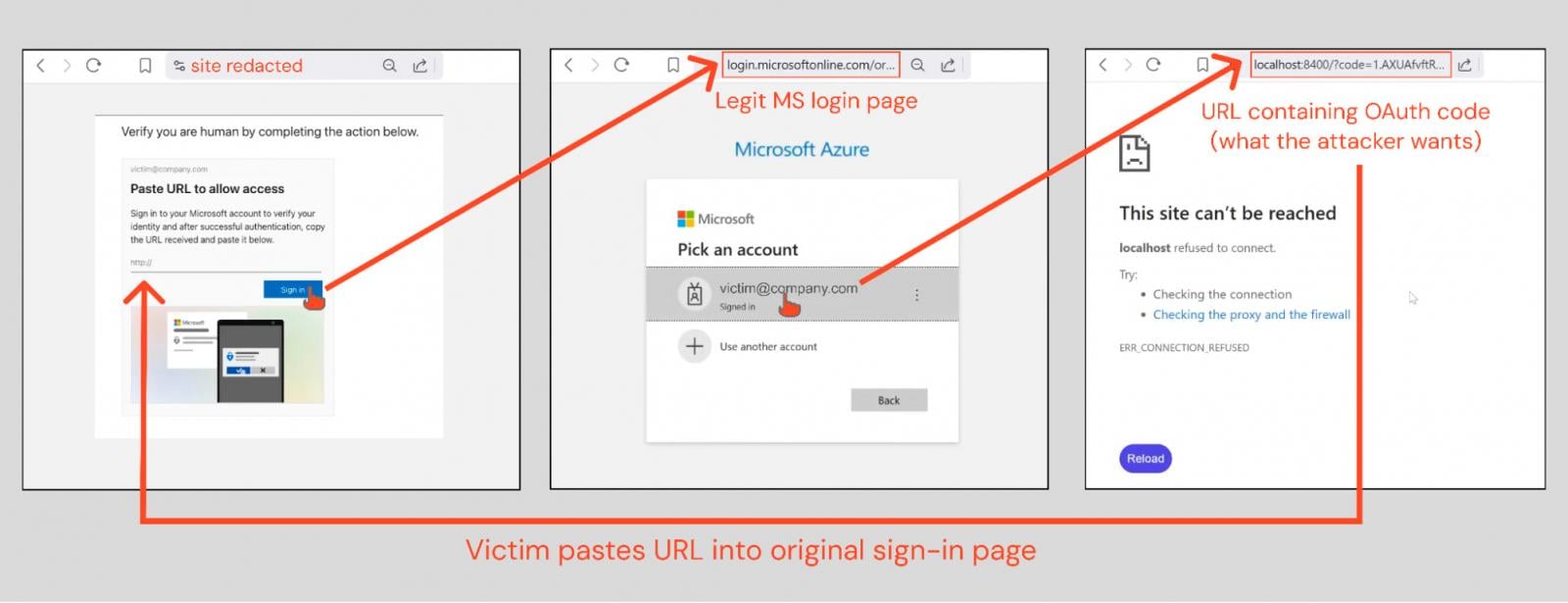
In the realm of cybersecurity, new threats are constantly emerging. In December, the Push Security research team encountered a novel attack technique known as ConsentFix. This technique, a fusion of ClickFix-style social engineering and OAuth consent phishing, posed a significant risk to Microsoft accounts.
The attack was widespread, with the malicious payload injected into numerous compromised websites. This large-scale campaign was swiftly detected across multiple customer estates.
The response from the cybersecurity community to ConsentFix was swift and commendable. Security researchers, including John Hammond, Microsoft, Glueck Kanja, and others, shared insights and recommendations to combat this evolving threat.
ConsentFix operates by tricking victims into sharing an OAuth authorization code with attackers through a phishing page. By exploiting OAuth, attackers can circumvent traditional authentication methods, such as passwords and MFA, gaining unauthorized access to accounts.
While OAuth abuse attacks are not new, ConsentFix represents a significant advancement in the exploitation of this method. It targets first-party Microsoft apps that are not subject to the same restrictions as third-party applications, making detection and response more challenging.
The Perils of ConsentFix
Unlike conventional OAuth attacks, ConsentFix allows attackers to target a wider range of applications, posing challenges for detection and response mechanisms. This technique:
-
Targets first-party Microsoft apps that are pre-consented in every tenant, bypassing admin approval requirements.
-
Utilizes legacy scopes and Conditional Access policy exclusions to evade detection.
The nature of ConsentFix makes it difficult for traditional security controls to thwart the attack. Default logging may not capture the necessary information, and conditional access policy exclusions can render existing security measures ineffective.
The evolving landscape of cybersecurity demands a proactive approach to combatting threats like ConsentFix. Security teams must prioritize monitoring controls and mitigation strategies to safeguard Microsoft environments.
Latest Developments in the Campaign
Further investigation has revealed potential links between the ConsentFix campaign and Russian state-affiliated APT29. The sophisticated tactics employed in this attack underscore the need for advanced detection and response capabilities.
The community response to ConsentFix has been instrumental in raising awareness and sharing best practices. Security researchers, including John Hammond, have released enhanced versions of the technique, highlighting the need for continuous vigilance.
Enhancing Security Measures
To combat evolving threats like ConsentFix, organizations must adopt a holistic approach to browser-based security. Traditional security tools may prove inadequate in detecting and blocking such attacks, necessitating a shift towards behavioral threat detection controls.
By leveraging deep browser telemetry and real-time monitoring, organizations can enhance their defense mechanisms against browser-based attacks. Initiatives like the Elastic detection rules for ConsentFix and guidance from Glueck Kanja offer valuable insights for bolstering security postures.
As the cybersecurity landscape continues to evolve, staying ahead of emerging threats like ConsentFix is paramount. By embracing innovative detection technologies and proactive security measures, organizations can mitigate the risks posed by sophisticated attack techniques.
Protecting against modern threats requires a proactive and multifaceted approach. By staying informed, leveraging community resources, and implementing robust security measures, organizations can safeguard their digital assets against the ever-evolving threat landscape.













The Ultimate BMW N62 V8 Engine Handbook: Troubleshooting, Performance Upgrades, and Durability

Black Salt Games Launches Team Trifold Studio, Unveiling Nothing Lost

Unlocking Your Phone Made Easy: How Android Users Can Use Their Google Account

Bixdo Glossonic Brush Pro: The Ultimate Electric Toothbrush for Whiter Teeth – A Tech Advisor Review

Virtual Me: Engage with My Interactive Avatar

5 Revolutionary Apple Products on the Horizon for 2026

10 Incredible Android DIY Hacks!

Cyberpunk 2077: The Endless Battle with Phantom Liberty’s Chimera Tank

Unlock the Power of Adobe Premiere with a Free App for Android Phones – Tech Advisor

EU Takes Action Against Instagram and Facebook for Violating Illegal Content Rules

Warning: Facebook Creators Face Monetization Loss for Stealing and Reposting Videos

Facebook’s New Look: A Blend of Instagram’s Style

Facebook Compliance: ICE-tracking Page Removed After US Government Intervention

Facebook and Instagram to Reduce Personalized Ads for European Users

InstaDub: Meta’s AI Translation Tool for Instagram Videos

Reclaim Your Account: Facebook and Instagram Launch New Hub for Account Recovery

Meta discontinues Messenger apps for Windows and macOS

Breaking Updates: Meta Connect 2025 Unveils Latest Developments
10 Incredible Android DIY Hacks!

Does a Cheap 2018 Smartphone beat a 2013 Flagship?

Samsung Galaxy S9 & S9+ UNBOXING!

Samsung Galaxy S9 Plus vs iPhone X

The BEST $300 Phone (2018) ft. MKBHD, Technical Guruji, iJustine + More

Samsung Galaxy S9 Plus Gaming Review! (vs OnePlus 5T)

THE BEST PHONE HTC EVER MADE?

The Truth about Google?

Samsung S9/ S9+ vs iPhone X vs Galaxy Note 8 Battery Life DRAIN TEST
-
 Facebook11 months ago
EU Takes Action Against Instagram and Facebook for Violating Illegal Content Rules
-
 Facebook12 months ago
Warning: Facebook Creators Face Monetization Loss for Stealing and Reposting Videos
-
 Facebook10 months ago
Facebook’s New Look: A Blend of Instagram’s Style
-
 Facebook12 months ago
Facebook Compliance: ICE-tracking Page Removed After US Government Intervention
-
 Facebook10 months ago
Facebook and Instagram to Reduce Personalized Ads for European Users
-
 Facebook12 months ago
InstaDub: Meta’s AI Translation Tool for Instagram Videos
-
 Facebook10 months ago
Reclaim Your Account: Facebook and Instagram Launch New Hub for Account Recovery
-
 Apple11 months ago
Meta discontinues Messenger apps for Windows and macOS
