
Video Games
Reflections of Speed: A Streak of Fate

The Timeless Art Direction of Mirror’s Edge: A Look Back at Its Unique Visual Style
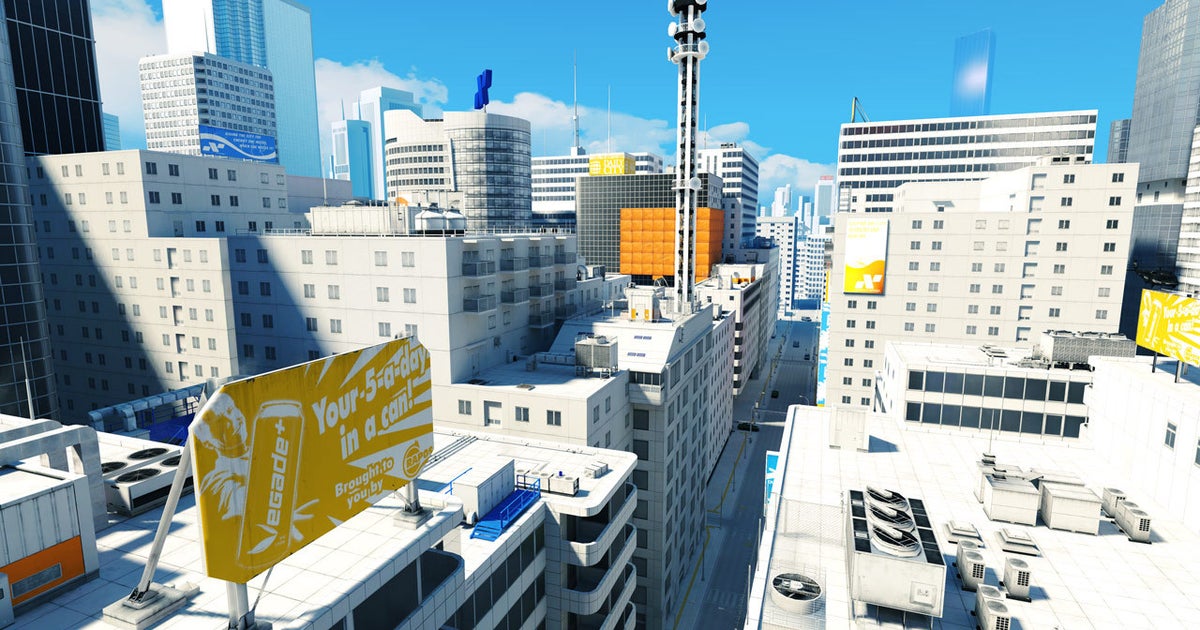
It’s truly remarkable how Mirror’s Edge, released nearly two decades ago, still stands out as a game with unparalleled art direction. The attention to detail, the cleanliness, and the purpose behind every element make it a digital embodiment of the future. Surprisingly, very few games have managed to replicate its visual aesthetic since then, opting for dull realism instead.
In a fascinating oral history of the game on Design Room, the original senior developers revealed some intriguing insights. During the development phase, Mirror’s Edge was initially intended to have a more conventional look, akin to other games using the Unreal Engine at the time. However, senior producer Owen O’Brien noticed that this approach led to simulation sickness when moving rapidly through the environment. This realization prompted a shift towards a cleaner, less detailed world.
Art director Johannes Söderqvist also shared his perspective, mentioning how the initial design resembled generic, run-down New York rooftops. While it wasn’t necessarily bad, it lacked a distinct style. O’Brien emphasized the importance of making Mirror’s Edge visually distinctive, wanting players to instantly recognize the game from a screenshot in a magazine.
To achieve this striking visual identity, Söderqvist and his team decided to strip away color from the textures, leaving most environments predominantly white with occasional blocks of color for guidance. This bold artistic choice not only differentiated Mirror’s Edge from other games but also enhanced the overall gameplay experience.
Lighting artist Oscar Carlén provided an insightful perspective on the game’s atmosphere, highlighting how Faith’s hopeful spirit and bright outlook on life are reflected in the lighting design. Despite the dystopian setting of the game, the lighting conveys a sense of optimism and vibrancy.
If you’re intrigued by the creative process behind Mirror’s Edge, I highly recommend reading the full piece on Design Room. The dedication to visual excellence and storytelling in the game is truly commendable. And if you haven’t already experienced Mirror’s Edge, it remains a standout title worth playing for its innovative design and immersive gameplay.













The Ultimate BMW N62 V8 Engine Handbook: Troubleshooting, Performance Upgrades, and Durability

Black Salt Games Launches Team Trifold Studio, Unveiling Nothing Lost

Unlocking Your Phone Made Easy: How Android Users Can Use Their Google Account

Bixdo Glossonic Brush Pro: The Ultimate Electric Toothbrush for Whiter Teeth – A Tech Advisor Review

Virtual Me: Engage with My Interactive Avatar

5 Revolutionary Apple Products on the Horizon for 2026

10 Incredible Android DIY Hacks!

Cyberpunk 2077: The Endless Battle with Phantom Liberty’s Chimera Tank

Unlock the Power of Adobe Premiere with a Free App for Android Phones – Tech Advisor

EU Takes Action Against Instagram and Facebook for Violating Illegal Content Rules

Warning: Facebook Creators Face Monetization Loss for Stealing and Reposting Videos

Facebook’s New Look: A Blend of Instagram’s Style

Facebook Compliance: ICE-tracking Page Removed After US Government Intervention

Facebook and Instagram to Reduce Personalized Ads for European Users

InstaDub: Meta’s AI Translation Tool for Instagram Videos

Reclaim Your Account: Facebook and Instagram Launch New Hub for Account Recovery

Meta discontinues Messenger apps for Windows and macOS

Breaking Updates: Meta Connect 2025 Unveils Latest Developments
10 Incredible Android DIY Hacks!

Does a Cheap 2018 Smartphone beat a 2013 Flagship?

Samsung Galaxy S9 & S9+ UNBOXING!

Samsung Galaxy S9 Plus vs iPhone X

The BEST $300 Phone (2018) ft. MKBHD, Technical Guruji, iJustine + More

Samsung Galaxy S9 Plus Gaming Review! (vs OnePlus 5T)

THE BEST PHONE HTC EVER MADE?

The Truth about Google?

Samsung S9/ S9+ vs iPhone X vs Galaxy Note 8 Battery Life DRAIN TEST
-
 Facebook11 months ago
EU Takes Action Against Instagram and Facebook for Violating Illegal Content Rules
-
 Facebook12 months ago
Warning: Facebook Creators Face Monetization Loss for Stealing and Reposting Videos
-
 Facebook10 months ago
Facebook’s New Look: A Blend of Instagram’s Style
-
 Facebook12 months ago
Facebook Compliance: ICE-tracking Page Removed After US Government Intervention
-
 Facebook10 months ago
Facebook and Instagram to Reduce Personalized Ads for European Users
-
 Facebook12 months ago
InstaDub: Meta’s AI Translation Tool for Instagram Videos
-
 Facebook10 months ago
Reclaim Your Account: Facebook and Instagram Launch New Hub for Account Recovery
-
 Apple11 months ago
Meta discontinues Messenger apps for Windows and macOS
