
Tech News
Maximizing Efficiency: Integrating AI with Your EHR and EMR Systems

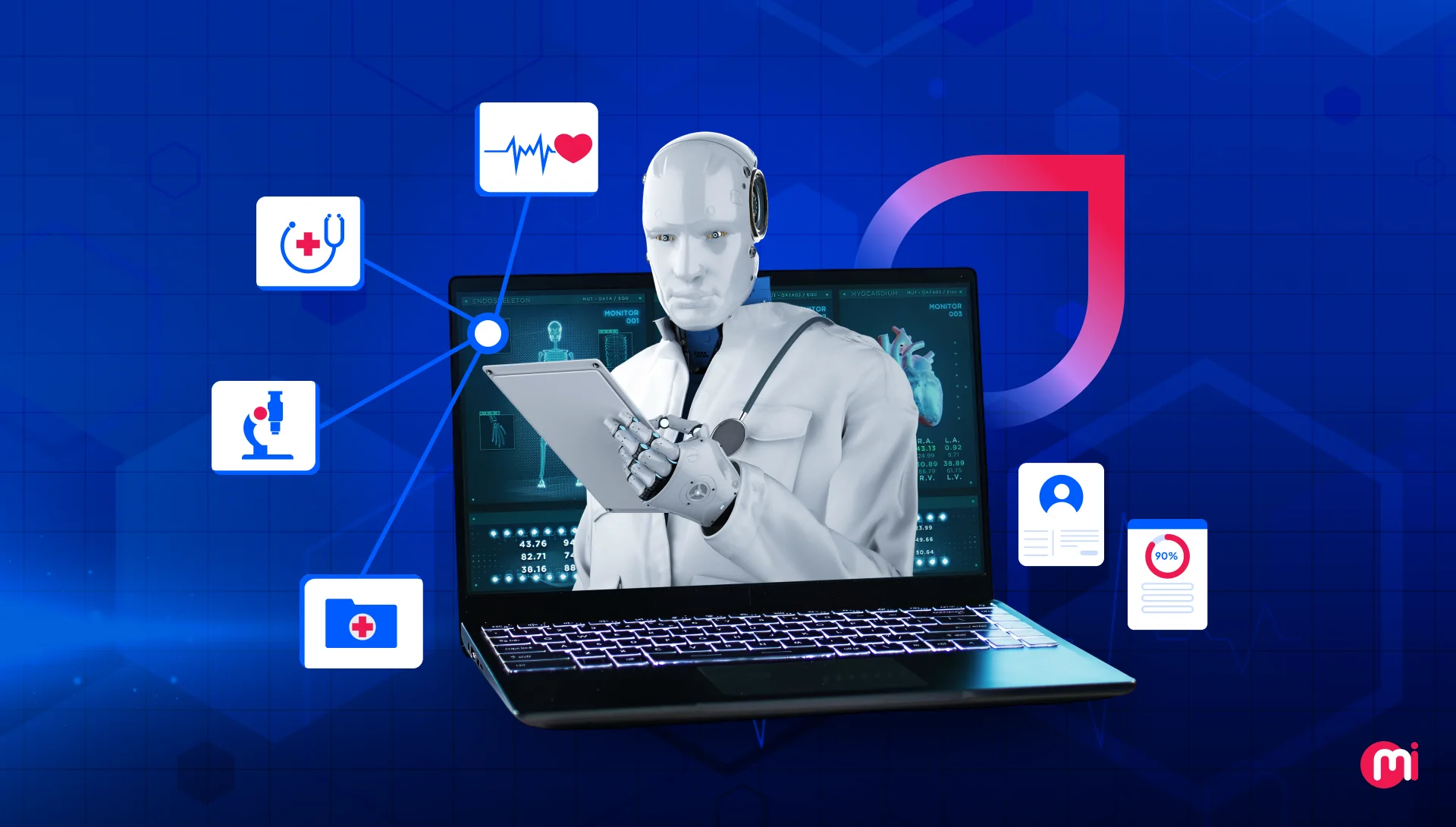
Integrating Artificial Intelligence (AI) into Electronic Health Records (EHR) and Electronic Medical Records (EMR) systems is revolutionizing healthcare operations. Imagine a scenario where a patient arrives at an emergency room with vague chest pain, and the EHR is filled with hundreds of pages of lab results and clinical notes from various specialists over the last five years. The ER physician, running short on time, struggles to make a quick and accurate decision.
AI in EHR can be a game-changer in such situations. An AI-powered EHR system can quickly locate crucial data, saving physicians from scrolling through extensive records. Legacy systems often miss valuable information due to the inability to search for clinical context, potentially impacting medical decisions.
As of 2025, EHR systems with predictive AI have improved patient outcomes by 80%, enabling timely and informed decision-making in patient care. This has led to a surge in demand for AI integration, making AI a fundamental requirement for healthcare organizations.
In this article, we will delve into the process of integrating AI into existing EHR and EMR systems, exploring the benefits, use cases, compliance considerations, and key factors for successful implementation.
Key Takeaways
- AI transforms EHRs from passive databases to proactive co-pilots that offer real-time decision support.
- AI tools automate documentation, saving time on manual data entry for hospitals and clinics.
- AI acts as a safety net, forecasting risks like sepsis before clinical symptoms appear.
- By 2026, integrations must meet HTI-1 transparency standards, showing the exact data behind every AI suggestion.
- Success relies on adherence to FHIR and SMART on FHIR standards for seamless data flow between systems.
- Staff training is essential to validate AI outputs and prevent algorithmic bias.
- Strategic AI integration delivers ROI through enhanced efficiency and improved patient outcomes.
What is the Difference Between EHR & EMR Systems and the Role of AI in Them?
Understanding the distinction between EHR and EMR systems is crucial in the digital healthcare ecosystem. While they sound similar, they serve different purposes in managing patient data.
The primary difference lies in the ability to share information across different healthcare providers instantly. EMRs store information from a single care provider, while EHRs are designed for use by multiple care providers.
Here is a summary of the main differences between EHR and EMR systems:
- Electronic Medical Record (EMR): A digital version of a paper chart for a single practice.
- Electronic Health Record (EHR): A comprehensive record of a patient’s total health history.
AI plays a pivotal role in redefining the functions of these systems, enabling automated data management, clinical decision support, predictive analytics, enhanced patient engagement, improved interoperability, streamlined workflows, and personalized medicine.
How to Integrate AI with Your Existing EHR and EMR Systems
Integrating AI into EHR systems can enhance healthcare operations and delivery significantly. Here is a step-by-step guide on integrating AI into your existing EHR and EMR systems:
- Conduct Current System Assessment: Assess the current EHR and EMR system to identify gaps in data entry processes, decision-making support, and accessibility.
- Define Objectives with AI Integration: Set clear, measurable objectives to prioritize high-impact areas for AI integration that provide ROI.
- Select the Right AI Tool and Technology Stack: Choose AI tools and technology that align with defined objectives and meet technical and regulatory requirements.
- Interoperability of Data: Ensure seamless data exchange by using interoperable systems to allow AI to access and analyze data from various sources.
- Implement and Trigger the AI: Connect AI models directly with EHR and EMR platforms to ensure automated real-time decision support.
- Display AI Insights in EHR and EMR: Present AI insights within the existing UI to enable healthcare providers to view and act on recommendations efficiently.
- Training the Healthcare Staff: Educate healthcare staff on how to use and interpret AI-driven recommendations to improve trust, reduce alert fatigue, and ensure ethical use.
- Monitor and Optimize AI Performance: Continuously monitor AI performance to maintain accuracy, address bias, measure ROI, and reduce alert fatigue.
Benefits of AI in EHR and EMR Systems
AI integration in EHR systems offers several benefits that enhance patient care, operational efficiency, predictive capabilities, and patient engagement. These benefits include:
- Reduced Documentation Time: AI automation saves time on manual data entry, allowing physicians to focus more on patient care.
- Better Patient Care: AI acts as a proactive care engine by identifying risks early and flagging potential issues before they escalate.
- Improved Predictive Capabilities: AI assists in predicting outcomes like ICU admissions, enabling effective resource allocation and early intervention.
- Operational Efficiency: AI automation streamlines hospital management processes, reducing administrative delays and optimizing resource utilization.
- Improved Patient Engagement: AI-powered tools enhance patient engagement by providing personalized support and health insights.
High-Impact Use Cases of AI in Electronic Health Records Systems
Integrating AI into EHR systems offers high-impact use cases that transform healthcare delivery and prioritize provider efficiency and patient-centric care. Some of these use cases include:
- Mobility Solutions for the Visually Impaired: AI-powered solutions enhance healthcare accessibility for visually impaired individuals, providing hands-free navigation and autonomous mobility.
- Automating Data Entry: AI automates clinical documentation, reducing paperwork burden and allowing physicians to focus more on patient care.
- Personalized Treatment Plans: AI analyzes patient data to create customized treatment plans tailored to individual medical histories, improving treatment outcomes.
Compliance and Standards in 2026
In 2026, healthcare AI integration must adhere to strict compliance standards and regulations to ensure data security, reliability, and ethical use. Compliance requirements include:
- HTI-1 and HTI-2 Mandates (ONC): Algorithm transparency mandates require AI systems to provide source attributes for recommendations.
- EU AI Act & Global Safety Standards: High-risk classification of clinical AI requires rigorous risk management and compliance with global safety standards.
- TEFCA and Data Interoperability: Interoperable systems must securely exchange data using FHIR standards to comply with information-blocking rules.
- HIPAA and GDPR: Compliance with data privacy regulations like HIPAA and GDPR is essential to protect patient data and maintain legal standards.
Cost of Integrating AI in EHR and EMR Systems
The cost of integrating AI into EHR and EMR systems varies based on complexity and scope. Costs typically range from $40,000 to $200,000+ for AI development, EHR/EMR integration, infrastructure, data preparation, and security.
Why Mindinventory is Your Best Partner for Integrating AI in Your EHR and EMR Systems
Mindinventory is a trusted technology partner with expertise in developing secure, scalable, and compliant EHR/EMR solutions. Their comprehensive services include full-cycle development, integration support, healthcare mobile app development, modernization, UI/UX design, consulting, and managed services.
Backed by industry certifications and compliance standards, Mindinventory helps healthcare organizations accelerate digital transformation, improve clinical outcomes, and achieve operational efficiency.
FAQs On Integrating AI in Your EHR and EMR Systems
- What is the use of AI in healthcare? AI in healthcare assists in diagnostics, predictive analytics, administrative automation, and personalized medicine, improving patient outcomes and operational efficiency.
- How is AI used in EHR? AI in EHR systems provides clinical decision support, automates data entry, offers predictive analytics, enhances patient engagement, and streamlines workflows.
- How to integrate AI into EHR? Integration involves assessing current systems, defining objectives, selecting AI tools, ensuring data interoperability, implementing AI, displaying insights, training staff, and monitoring performance.
- What is the cost of a custom AI EHR system? Costs vary based on complexity, ranging from $30,000 to $2,000,000+ for development, integration, infrastructure, data preparation, and security.
- How can AI integration support decision-making in healthcare? AI supports clinical decision-making by providing real-time insights, predictive analytics, and evidence-based recommendations to healthcare providers.
In conclusion, integrating AI into EHR and EMR systems offers numerous benefits, including improved patient care, operational efficiency, predictive capabilities, and patient engagement. By following the steps outlined in this article and partnering with a reliable technology provider like Mindinventory, healthcare organizations can successfully integrate AI into their systems and transform healthcare delivery.













Rolls-Royce Cullinan Dominates Russian Luxury Car Market, Outselling Spectre, Ghost & Phantom Combined

Microsoft Appoints Brad Smith as Head of Corporate Communications

The Lord of the Rings: War in the North Legacy Edition – Patch One: The Beginning of a New Journey

Revolutionizing Android: 5 Innovative Features That Will Transform User Experience

Xiaomi 18 Pro: Global Launch Set for 2026, Confirmed by Tech Advisor

Comparing Farmtech Solutions: Poly Tape vs Electric Fence Wire

Unbeatable Deals on Top-tier Apps: Own Them Forever at a Fraction of the Cost

Does a Cheap 2018 Smartphone beat a 2013 Flagship?

Expert Tips for Buying a BMW X5: Insights from a Seasoned Owner of 103 Models

EU Takes Action Against Instagram and Facebook for Violating Illegal Content Rules

Warning: Facebook Creators Face Monetization Loss for Stealing and Reposting Videos

Facebook’s New Look: A Blend of Instagram’s Style

Facebook Compliance: ICE-tracking Page Removed After US Government Intervention

Facebook and Instagram to Reduce Personalized Ads for European Users

InstaDub: Meta’s AI Translation Tool for Instagram Videos

Reclaim Your Account: Facebook and Instagram Launch New Hub for Account Recovery

Meta discontinues Messenger apps for Windows and macOS

Breaking Updates: Meta Connect 2025 Unveils Latest Developments
Does a Cheap 2018 Smartphone beat a 2013 Flagship?

Samsung Galaxy S9 & S9+ UNBOXING!

Samsung Galaxy S9 Plus vs iPhone X

The BEST $300 Phone (2018) ft. MKBHD, Technical Guruji, iJustine + More

Samsung Galaxy S9 Plus Gaming Review! (vs OnePlus 5T)

THE BEST PHONE HTC EVER MADE?

The Truth about Google?

Samsung S9/ S9+ vs iPhone X vs Galaxy Note 8 Battery Life DRAIN TEST

Samsung S9 / S9+ vs Mate 10 Pro vs iPhone X Charging SPEED Test
-
 Facebook11 months ago
EU Takes Action Against Instagram and Facebook for Violating Illegal Content Rules
-
 Facebook12 months ago
Warning: Facebook Creators Face Monetization Loss for Stealing and Reposting Videos
-
 Facebook10 months ago
Facebook’s New Look: A Blend of Instagram’s Style
-
 Facebook12 months ago
Facebook Compliance: ICE-tracking Page Removed After US Government Intervention
-
 Facebook10 months ago
Facebook and Instagram to Reduce Personalized Ads for European Users
-
 Facebook12 months ago
InstaDub: Meta’s AI Translation Tool for Instagram Videos
-
 Facebook10 months ago
Reclaim Your Account: Facebook and Instagram Launch New Hub for Account Recovery
-
 Apple11 months ago
Meta discontinues Messenger apps for Windows and macOS
