
Inovation
Advancing Military Technology: Inside the EU’s Innovation Strategy

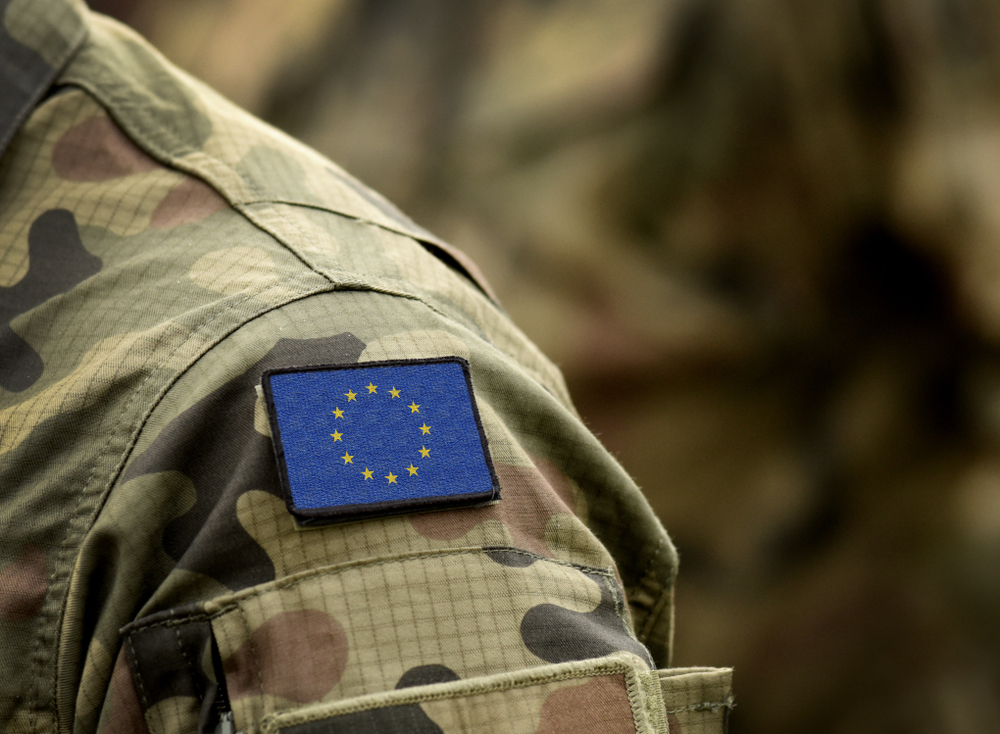
The European Defence Fund: Transforming Europe’s Military Capabilities
Europe is witnessing a significant transformation in its defence landscape, driven by the European Defence Fund (EDF). This flagship programme of the European Union aims to revolutionize how military technologies are developed, industrial cooperation is strengthened, and responses to evolving security threats are formulated.
With a substantial budget of €7.3 billion allocated for defence research and capability development until 2027, the EDF is reshaping the way Europe approaches its defence needs.
Traditionally, Europe’s defence development has been fragmented, leading to duplication of efforts and interoperability issues. The EDF seeks to address these inefficiencies by promoting collaborative projects among European countries to design and build critical military technologies together.
Through the EDF, Europe aims to achieve not only technological innovation but also enhanced cooperation between defence industries and armed forces across the continent.
Key Objectives of the European Defence Fund
The EDF focuses on funding multinational projects that develop advanced defence technologies and equipment. It supports collaborative initiatives involving companies, research organizations, and governments from multiple European countries.
Operating from early-stage technological exploration to the development of operational defence capabilities, the EDF covers the entire research and development pipeline.
The fund primarily finances two main types of activities:
- Collaborative Defence Research: Early technological exploration and concept development
- Capability Development: Designing and testing concrete defence systems for potential production
Of the €7.3 billion budget, approximately €2.7 billion is designated for research activities, while around €5.3 billion supports capability development projects. These initiatives complement national investments, amplifying EU funding to bolster existing defence programs.
Grants provided by the EDF can cover up to 100% of eligible research costs, with development projects receiving varying percentages based on project nature. Incentive bonuses are available, particularly for projects involving small and medium-sized enterprises (SMEs) or those linked to Permanent Structured Cooperation (PESCO) initiatives.
The European Commission directly manages the programme, although project administration may be delegated to specialized organizations in certain cases.
Structuring of the Programme
Annually, the Commission releases a work programme outlining funding priorities and specific calls for proposals. These work programmes are categorized into 34 thematic and cross-cutting areas, encompassing all military domains and enabling technologies.
Priorities align with defence capability needs identified by EU member states through the Common Security and Defence Policy (CSDP) framework. Guidance is derived from the Capability Development Plan (CDP), identifying critical capability gaps in European armed forces.
The EDF Programme Committee, in consultation with national governments, prepares the annual work programmes. Contributions from the European Defence Agency (EDA) and the European External Action Service (EEAS) shape these priorities.
The goal is to ensure that EDF-funded projects align with operational requirements rather than purely technological interests.
The 2026 EDF Work Programme
In December 2025, the European Commission approved the EDF Work Programme for 2026, allocating €1 billion for new collaborative defence research and development initiatives.
The programme comprises 31 call topics grouped into various funding categories. Seven thematic calls focus on specific technology areas, while three non-thematic calls allow for proposals addressing emerging defence needs. Specific actions target threats and technological challenges.
One initiative centers on developing countermeasures against hypersonic glide vehicles, reflecting concerns about advanced missile technologies. Additionally, initiatives related to the EU Alliance for defence medical countermeasures address the need for rapid medical response capabilities in military scenarios.
Major Defence Capabilities Allocation
Approximately half of the €1 billion budget is allocated to the collaborative development of large-scale defence capabilities. Projects targeted for development include:
- European endo-atmospheric interceptor for advanced missile threat defense
- Next-generation main battle tank
- Multiple rocket launcher system
- Semi-autonomous naval vessel
These projects aim to enhance Europe’s strategic autonomy by reducing dependence on external suppliers for critical military systems. Collaborative development ensures effective interoperability of equipment from different European countries during joint missions.
Investment in Future Military Technologies
Approximately a quarter of the 2026 EDF budget is dedicated to emerging technologies expected to shape future warfare scenarios. Research areas include:
- Quantum-Secured Communication Networks
- Electronic Warfare Technologies
- Multi-Domain Operational Cloud Infrastructure
- Advanced Energy Systems for Military Platforms
While these technologies may not immediately translate into deployable equipment, they are crucial for maintaining technological competitiveness in the long term. Additionally, a quarter of the funding is allocated to the EU Defence Innovation Scheme (EUDIS), supporting breakthrough innovations and smaller players entering the defence sector.
Within this framework, funds are reserved for disruptive technologies and open calls targeting SMEs.
Reasons for Europe’s Defence Spending Increase
Programmes like the European Defence Fund reflect a shift in Europe’s security environment. Following a period of reduced defence budgets and military procurement, several factors have led to renewed attention to defence investment.
Russia’s War in Ukraine
Russia’s invasion of Ukraine in 2022 significantly impacted Europe’s security perception, highlighting vulnerabilities in ammunition stockpiles and military readiness. This event prompted European governments to focus on rebuilding military capabilities and expanding defence industrial production.
Strategic Competition Among Major Powers
Global strategic competition, including military modernization in countries like China and tensions involving NATO and Russia, has emphasized the need for Europe to protect its interests. Developing key capabilities like artificial intelligence, cyber warfare, and space systems necessitates sustained research investment and collaboration.
Reducing Fragmentation in European Defence
Europe’s defence sector has long been fragmented, leading to inefficiencies and interoperability challenges. By promoting joint development programmes, the EU aims to reduce duplication and foster shared systems among allied forces.
Strengthening Europe’s Defence Industry
The EDF has an industrial dimension, supporting major defence companies and research institutions in the face of global competition. Collaborative EU funding enables resource pooling, accelerated development, and technological leadership in aerospace, cyber defence, and autonomous systems. This approach also benefits smaller firms and start-ups seeking to enter the defence market.

Innovation and the EU Defence Innovation Scheme
The European Commission established EUDIS to promote defence innovation among start-ups, research labs, and small companies. By supporting innovators at early development stages, the scheme aims to diversify the defence ecosystem and stimulate breakthroughs in areas like autonomous systems, advanced sensors, and cyber capabilities.
Opportunities for Smaller Players
Participation in EDF projects requires cross-border collaboration, with consortia involving entities from multiple EU member states or associated countries. Third-country entities may participate but do not receive funding and must adhere to security safeguards.
Entities from non-associated countries can engage in projects but must comply with rules safeguarding European security interests.
Cascade Funding and the MaJoR Project
The Financial Support to Third Parties (FSTP) mechanism, known as cascade funding, allows organizations receiving EDF grants to redistribute funds to smaller partners working on specific technological challenges. This approach facilitates participation of start-ups, niche technology providers, and research teams in large-scale defence projects.
The MaJoR project exemplifies cascade funding, inviting innovators to develop technological solutions for defence challenges across various domains.
Information Events and Industry Engagement
The European Commission hosts EDF Info Days to assist organizations in the application process. These sessions offer guidance on applying through the EU Funding & Tenders Portal and networking opportunities for potential project partners.
The upcoming event in March 2026 aims to provide support to interested parties looking to engage with the EDF programme.
Europe’s Role in Global Defence Research
Since the inception of the EDF, the European Commission has invested significantly in defence research and development projects. The EU stands as one of the world’s top public investors in defence innovation, with projects spanning diverse technological fields crucial for enhancing Europe’s military capabilities.
Long-Term Implications of the European Defence Fund
The European Defence Fund represents a significant experiment in collective defence investment at the EU level. While not replacing national defence spending, the EDF introduces a new level of coordination by promoting joint technological development among European countries.
As geopolitical tensions shape policy priorities, the EDF is set to play a central role in modernizing Europe’s defence capabilities and fostering industrial collaboration across the continent.











Revving Up: Searching for CarExpert.co.nz’s Top Presenter and Reviewer

Advancing Military Technology: Inside the EU’s Innovation Strategy

Exploited RCE Vulnerability in VMware Aria Operations Identified by CISA

Verminsteel: The Furry Fighting Revolution

Unveiling the OnePlus 15T: Enhanced Periscope Camera and Sleek Bezels

The Pricing Paradox: Discrepancies in AI Startup Equity Sales

Smart Luggage Tracking: Android’s Find Hub Revolutionizes Travel Technology

Samsung’s Latest Galaxy Watch to Feature Snapdragon Wear Elite Chip Technology

Exploring the Impact of Apple on User Experience

EU Takes Action Against Instagram and Facebook for Violating Illegal Content Rules

Warning: Facebook Creators Face Monetization Loss for Stealing and Reposting Videos

Facebook Compliance: ICE-tracking Page Removed After US Government Intervention

InstaDub: Meta’s AI Translation Tool for Instagram Videos

Facebook’s New Look: A Blend of Instagram’s Style

Facebook and Instagram to Reduce Personalized Ads for European Users

Reclaim Your Account: Facebook and Instagram Launch New Hub for Account Recovery

Meta discontinues Messenger apps for Windows and macOS

Breaking Updates: Meta Connect 2025 Unveils Latest Developments

Dear Apple.

22 NIGHTMARE Tech FAILS they want us to forget.

Do NOT buy the Freedom Phone!! 🤬

Nothing Ear 1 Review – The Problem with Hype.

Calyx OS – The next big Android Competitor!?

24 HOTTEST Inventions that will change your Life.

Galaxy Z Fold 3 – What was Samsung Thinking!?

Why Samsung is losing to Xiaomi.

I bought the CHEAPEST Tech in the World 🌍
-
 Facebook4 months ago
EU Takes Action Against Instagram and Facebook for Violating Illegal Content Rules
-
 Facebook5 months ago
Warning: Facebook Creators Face Monetization Loss for Stealing and Reposting Videos
-
 Facebook5 months ago
Facebook Compliance: ICE-tracking Page Removed After US Government Intervention
-
 Facebook5 months ago
InstaDub: Meta’s AI Translation Tool for Instagram Videos
-
 Facebook3 months ago
Facebook’s New Look: A Blend of Instagram’s Style
-
 Facebook3 months ago
Facebook and Instagram to Reduce Personalized Ads for European Users
-
 Facebook3 months ago
Reclaim Your Account: Facebook and Instagram Launch New Hub for Account Recovery
-
 Apple4 months ago
Meta discontinues Messenger apps for Windows and macOS
