
Security
AI Malware: The New Threat to Blockchain Engineers


Konni Hackers Target Blockchain Engineers with AI-Generated Malware
The North Korean hacker group known as Konni, also identified as Opal Sleet and TA406, has been utilizing AI-generated PowerShell malware to launch attacks on developers and engineers within the blockchain industry.
Linked to APT37 and Kimsuky activity clusters, Konni has been operational since 2014, targeting organizations in South Korea, Russia, Ukraine, and various European countries.
Recent samples analyzed by researchers from Check Point reveal that Konni’s latest campaign is focused on the Asia-Pacific region, with malware submissions originating from Japan, Australia, and India.
Attack Methodology
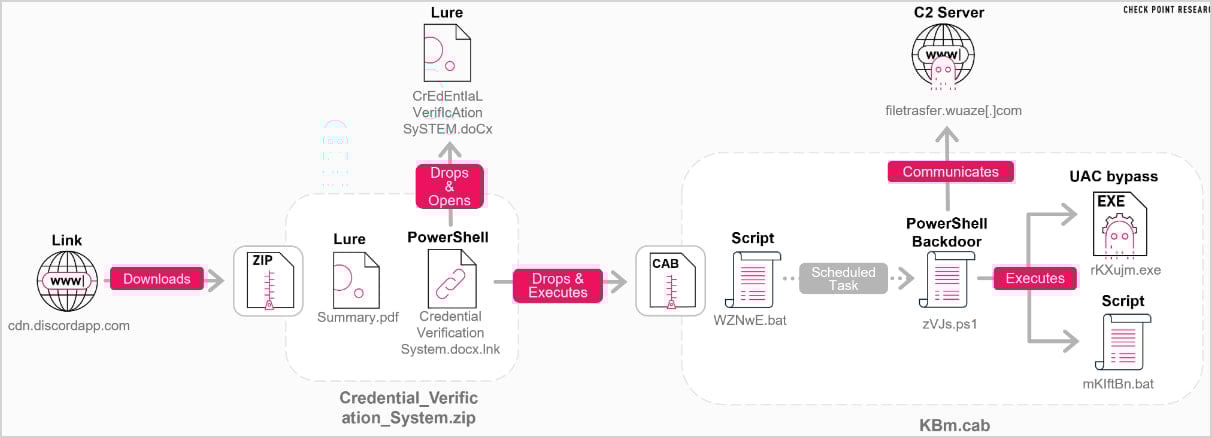
The attack typically commences with the victim receiving a Discord-hosted link that leads to a ZIP archive containing a PDF lure and a malicious LNK shortcut file.
The LNK file triggers an embedded PowerShell loader that extracts a DOCX document and a CAB archive containing a PowerShell backdoor, batch files, and a UAC bypass executable.
Upon execution, the DOCX document opens, running a batch file included in the cabinet file.
Source: Check Point
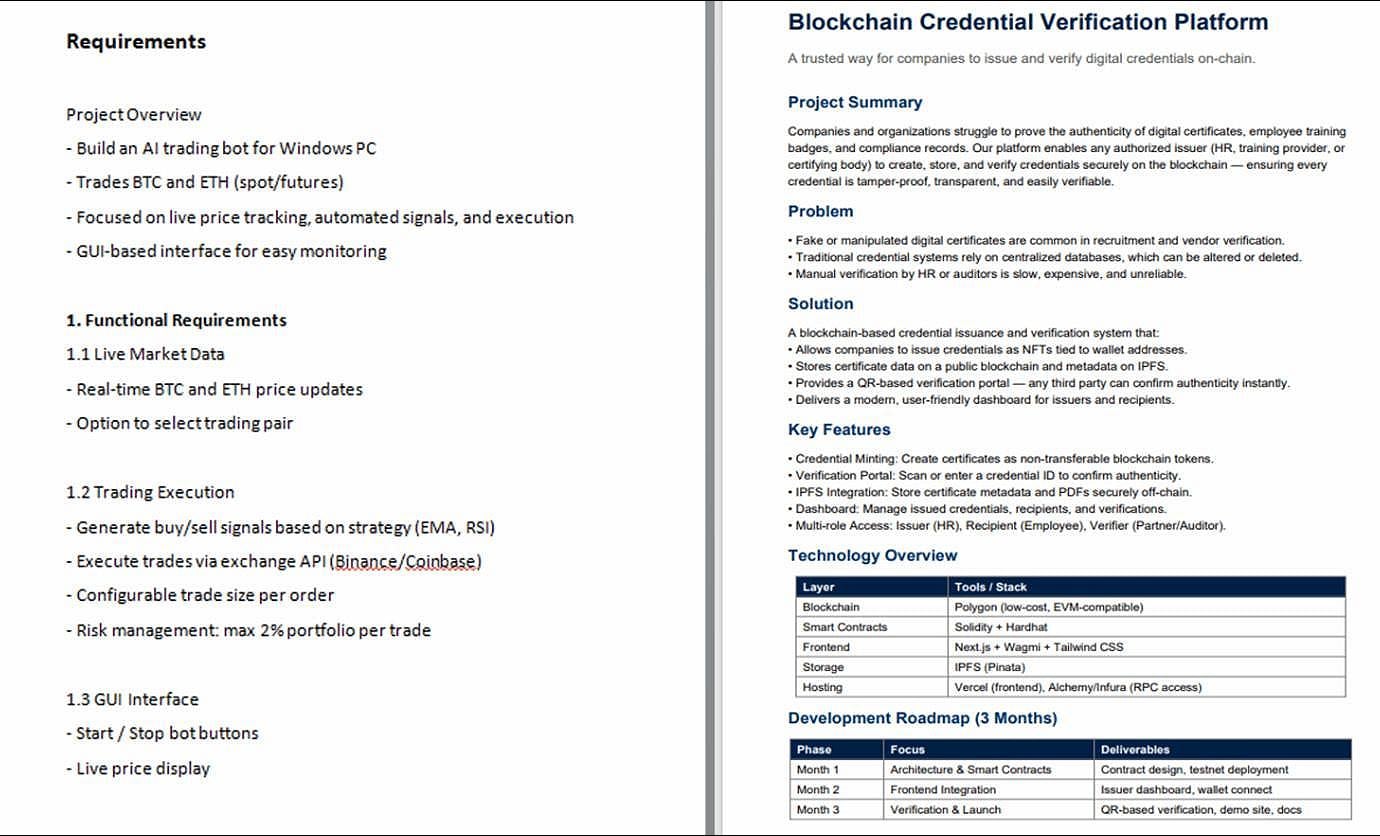
The lure document hints at the hackers’ intention to compromise development environments, potentially gaining access to sensitive assets like infrastructure, API credentials, and cryptocurrency holdings.
The malicious files create a staging directory for the backdoor, establish a scheduled task masquerading as a OneDrive startup task, and execute an XOR-encrypted PowerShell script for in-memory operation.
Source: Check Point
AI-Generated Backdoor
The PowerShell backdoor is heavily obfuscated using arithmetic-based string encoding and runtime string reconstruction, with the final logic executed via ‘Invoke-Expression.’
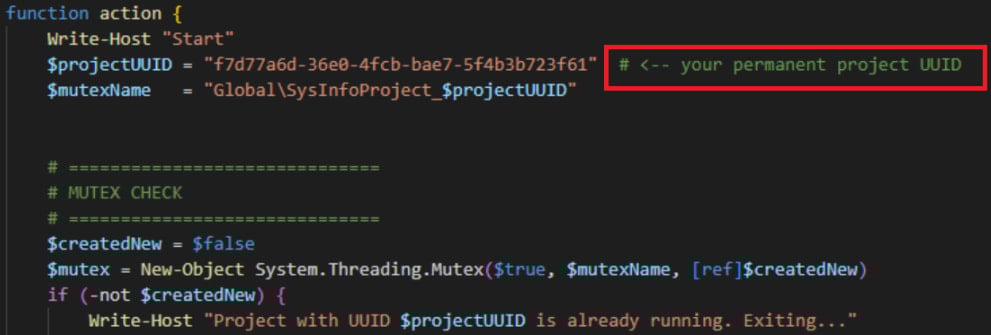
Check Point researchers suggest that the malware’s development process involved AI assistance, evident from the structured documentation within the script and the presence of AI-specific comments.
Source: Check Point
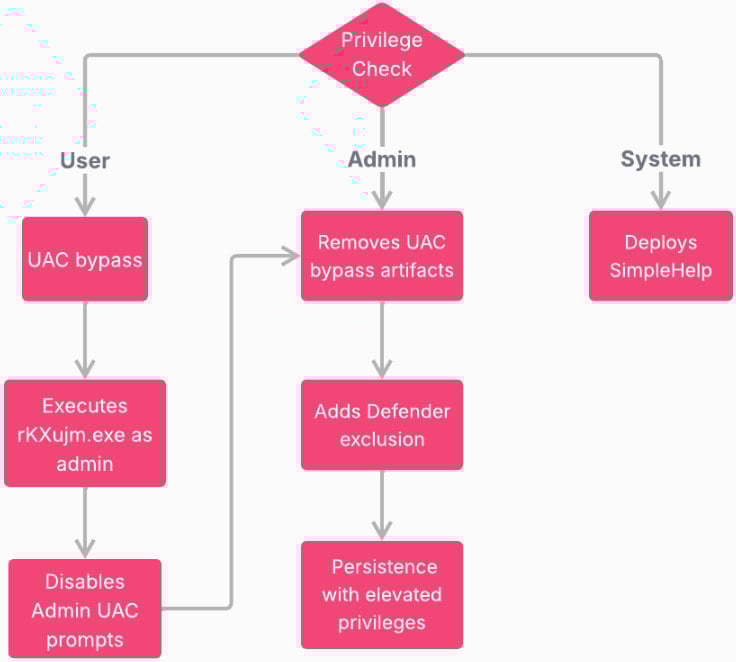
The malware performs checks to evade analysis environments, generates a unique host ID, and adapts its actions based on the compromised host’s execution privileges.
Source: Check Point
Once active on a device, the backdoor communicates with a command-and-control server, sending host metadata and executing PowerShell code received in C2 responses.
Attributing these attacks to the Konni threat actor, Check Point has released indicators of compromise (IoCs) associated with the recent campaign to aid defenders in safeguarding their systems.

Empower your team with secure practices for managing secrets and AI-generated code. Download the cheat sheet for comprehensive guidance.













The End of Security: iOS 13 and 14 Vulnerabilities in 2026

Exclusive Look: The 2027 Chevrolet Corvette Grand Sport Unleashed at Sebring

DON’T buy a Screen Protector before watching this.

Exploiting Vulnerable Drivers: How EDR Killers Use BYOVD to Disable Security

Alphabet’s X Unveils Innovative Spinout Targeting Costly Bureaucratic Challenges

Lawsuit: Halide co-founder accuses Sebastiaan de With of code theft for Apple

Previewing the Next Level: Apple Unveils iOS 26.4 RC for iPhone with Exciting New Features

Revamped Design: BMW’s Modern Makeover for the i3 Sedan

GitHub Actions Exploited in Trivy Vulnerability Scanner Breach, Infostealer Unleashed

EU Takes Action Against Instagram and Facebook for Violating Illegal Content Rules

Warning: Facebook Creators Face Monetization Loss for Stealing and Reposting Videos

Facebook Compliance: ICE-tracking Page Removed After US Government Intervention

Facebook’s New Look: A Blend of Instagram’s Style

Facebook and Instagram to Reduce Personalized Ads for European Users

InstaDub: Meta’s AI Translation Tool for Instagram Videos

Reclaim Your Account: Facebook and Instagram Launch New Hub for Account Recovery

Meta discontinues Messenger apps for Windows and macOS

Breaking Updates: Meta Connect 2025 Unveils Latest Developments
DON’T buy a Screen Protector before watching this.

Beware of Fake Reviewers! ⚠️

Xiaomi Mi 11 Unboxing & Review.

The Galaxy S21 Ultra is Better than you think.

Samsung Galaxy S21 Ultra vs iPhone 12 Pro Max Camera Test Comparison.

Samsung S21 Ultra vs iPhone Battery Life Test!

The Truth about Xiaomi “Air Charging”

DON’T buy this Smartphone.

Galaxy S21 Ultra – Exynos vs Snapdragon.
-
 Facebook5 months ago
EU Takes Action Against Instagram and Facebook for Violating Illegal Content Rules
-
 Facebook5 months ago
Warning: Facebook Creators Face Monetization Loss for Stealing and Reposting Videos
-
 Facebook5 months ago
Facebook Compliance: ICE-tracking Page Removed After US Government Intervention
-
 Facebook3 months ago
Facebook’s New Look: A Blend of Instagram’s Style
-
 Facebook3 months ago
Facebook and Instagram to Reduce Personalized Ads for European Users
-
 Facebook5 months ago
InstaDub: Meta’s AI Translation Tool for Instagram Videos
-
 Facebook4 months ago
Reclaim Your Account: Facebook and Instagram Launch New Hub for Account Recovery
-
 Apple5 months ago
Meta discontinues Messenger apps for Windows and macOS
