
AI
AI Revolution: The FIFA World Cup 2026 Unleashed

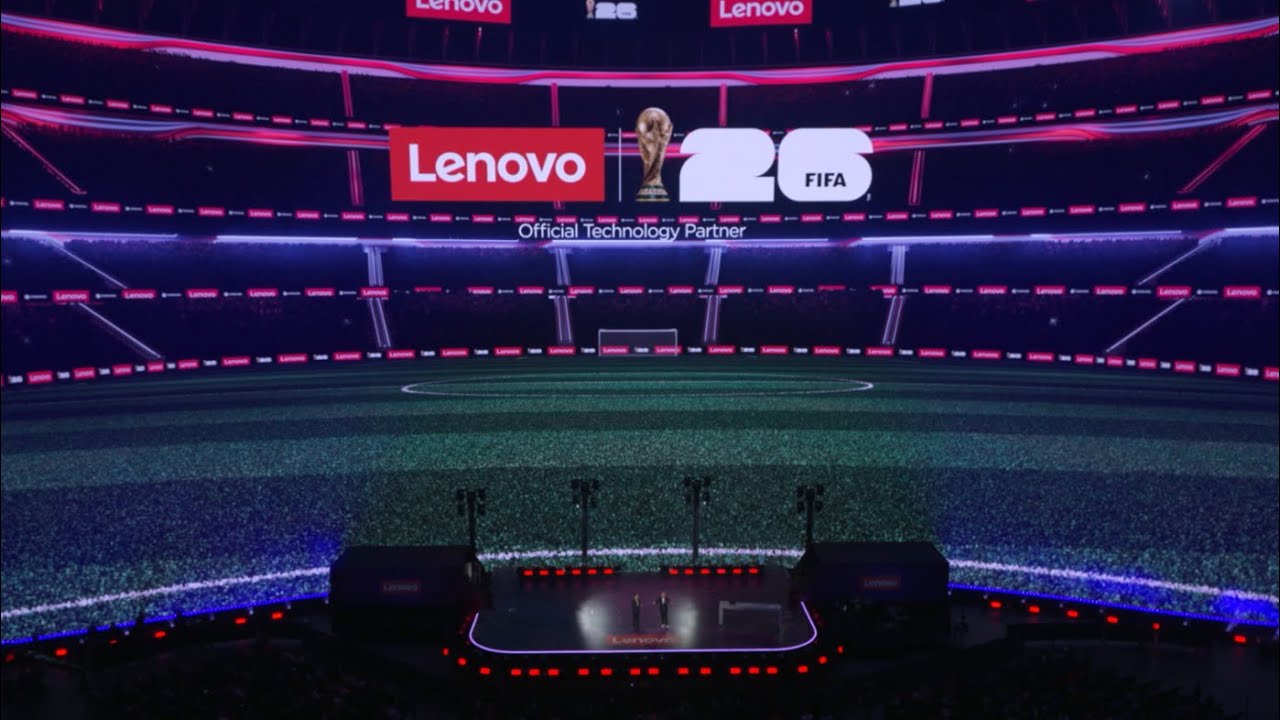
Football AI Revolutionizing FIFA’s Approach to World Cup 2026
When Romy Gai, FIFA’s chief business officer, discussed the immense operational challenge of organizing a 48-team World Cup spanning Canada, Mexico, and the United States, he emphasized the complexity involved rather than the technological aspects.
Unlike previous World Cups that relied on local organizing committees, FIFA is taking direct control of operations for the 2026 event. With an estimated audience of six billion viewers, 104 matches, 48 teams (up from 32 in Qatar), 180-plus broadcasters, and no single national infrastructure to rely on, the scale of the tournament is unprecedented.
The AI strategy unveiled by FIFA at Lenovo Tech World in Hong Kong introduces innovative tools like Football AI Pro, AI-enabled 3D player avatars, and a next-generation Referee View. These product decisions reflect a structural shift within the organization, positioning AI not as an enhancement but as a fundamental part of how the event is managed.
Football AI Pro, a generative AI knowledge assistant, will be available to all 48 competing teams. Built on FIFA’s Football Language Model and trained on vast amounts of FIFA-owned data, it generates pre- and post-match analysis in various formats and languages, aiming to provide every team with equal analytical capabilities.
The introduction of AI in the World Cup is not just about innovation but also about addressing operational challenges. The AI-enabled 3D player avatar system aims to enhance offside technology by creating precise 3D models of players for more accurate tracking and decision-making during matches.
The Impact of Referee View and Transparency
The updated Referee View, powered by AI stabilization technology, not only improves the viewing experience but also enhances transparency in officiating decisions. By providing clearer and real-time footage from the referee’s body camera, the system aims to bridge the gap between decision-making and audience understanding.
Furthermore, FIFA has established an intelligent command center to streamline real-time data integration across departments, matches, venues, and broadcasters. This centralized operational view is crucial for coordinating the complex logistics of a multi-country tournament with a global audience.
The Future of Football AI Beyond 2026
Football AI Pro, based on FIFA’s proprietary Football Language Model, represents a significant asset that could democratize access to analytical insights in football. With plans to make the AI assistant available to fans and national associations post-2026, FIFA envisions a broader democratization project in the realm of soccer analytics.
Overall, the FIFA-Lenovo partnership and the integration of AI technologies in the World Cup mark a paradigm shift in how football events are managed and experienced. The successful deployment of AI in the 2026 tournament paves the way for future innovations and advancements in the world of sports.
For more insights on AI and big data in the industry, explore the upcoming AI & Big Data Expo events happening around the world. Stay updated on the latest enterprise technology trends with TechForge Media.













WhatsApp Unveils Parental Control Feature for Accounts – Tech Advisor

Apple’s Latest iOS and iPadOS Updates Patch Critical Security Vulnerability

AI Revolution: The FIFA World Cup 2026 Unleashed

Unveiling the Speedster: Ferrari Amalfi Spider Set to Make Waves on March 12

OnePlus 9 Pro vs Samsung S21 Ultra Camera Test Comparison.

Halting Progress: The Delayed Launch of Xbox Project Helix

Exploitable SQL Injection Vulnerability Found in Elementor Ally Plugin Puts Over 250k WordPress Sites at Risk

Exclusive: OnePlus 16 Unveils Cutting-Edge Processor and Advanced Telephoto Camera Technology

Revolutionizing the Mind: Gestala Secures $21M Funding in Record Time

EU Takes Action Against Instagram and Facebook for Violating Illegal Content Rules

Warning: Facebook Creators Face Monetization Loss for Stealing and Reposting Videos

Facebook Compliance: ICE-tracking Page Removed After US Government Intervention

Facebook’s New Look: A Blend of Instagram’s Style

InstaDub: Meta’s AI Translation Tool for Instagram Videos

Facebook and Instagram to Reduce Personalized Ads for European Users

Reclaim Your Account: Facebook and Instagram Launch New Hub for Account Recovery

Meta discontinues Messenger apps for Windows and macOS

Breaking Updates: Meta Connect 2025 Unveils Latest Developments
OnePlus 9 Pro vs Samsung S21 Ultra Camera Test Comparison.

Vivo X60 Pro Plus – This is getting Ridiculous! 😂

The Thinnest Smartphone in the World.

Mi 11 Ultra Review – Xiaomi just KILLED Samsung!?

15 Smartphone Gadgets that’ll SHOCK you! ⚠️

The $200,000 Smartphone Unboxing 💀

20 Next-Level Inventions you didn’t think were Possible.

How THIS instagram story kills your phone.

Zenfone 8 – The most boring INCREDIBLE phone ever.
-
 Facebook5 months ago
EU Takes Action Against Instagram and Facebook for Violating Illegal Content Rules
-
 Facebook5 months ago
Warning: Facebook Creators Face Monetization Loss for Stealing and Reposting Videos
-
 Facebook5 months ago
Facebook Compliance: ICE-tracking Page Removed After US Government Intervention
-
 Facebook3 months ago
Facebook’s New Look: A Blend of Instagram’s Style
-
 Facebook5 months ago
InstaDub: Meta’s AI Translation Tool for Instagram Videos
-
 Facebook3 months ago
Facebook and Instagram to Reduce Personalized Ads for European Users
-
 Facebook3 months ago
Reclaim Your Account: Facebook and Instagram Launch New Hub for Account Recovery
-
 Apple5 months ago
Meta discontinues Messenger apps for Windows and macOS
