
AI
AI Revolutionizing Manufacturing: A Strategic Driver for Success

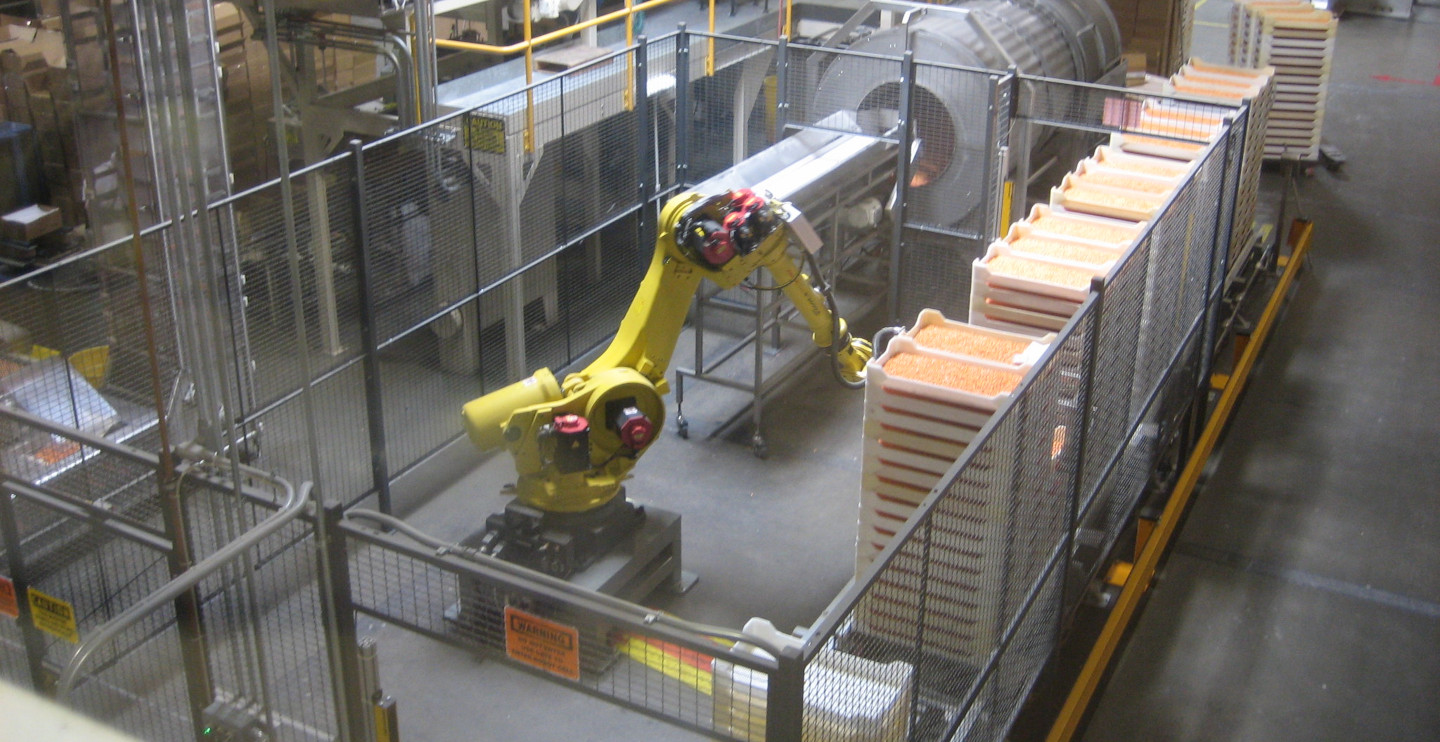
Manufacturers in today’s industry are facing challenges such as rising input costs, labor shortages, supply chain vulnerabilities, and the demand for more personalized products. To tackle these issues, many are turning to artificial intelligence (AI) as a key solution.
In the realm of enterprise strategy, AI plays a crucial role. Most manufacturers are striving to cut costs, enhance productivity, and maintain high quality standards. AI helps achieve these goals by predicting equipment failures, optimizing production schedules, and analyzing supply chain data. A survey conducted by Google Cloud revealed that over half of manufacturing executives are leveraging AI tools in areas like planning and quality control.
The adoption of AI is significant because it directly impacts measurable business outcomes. Reduced downtime, decreased waste, improved overall equipment effectiveness (OEE), and enhanced customer responsiveness all contribute to a more competitive enterprise strategy.
Recent experiences in the industry highlight the tangible benefits of integrating AI into manufacturing operations. Companies like Motherson Technology Services and ServiceNow have reported substantial improvements in maintenance costs, downtime reduction, and production efficiency after implementing AI-driven initiatives.
When it comes to cloud and IT considerations, data architecture is vital for manufacturing systems that rely on real-time decisions. Leaders must find ways to integrate edge devices with cloud services to enhance operational efficiency. Use-case sequencing, governance, security, workforce training, and vendor ecosystem neutrality are also crucial factors to consider when implementing AI in manufacturing.
Despite the challenges posed by skills shortages, legacy machinery, and cybersecurity risks, AI deployment in manufacturing can be effectively managed with the right strategies in place. By focusing on clear governance, cross-functional collaboration, scalable architectures, and performance monitoring, companies can successfully leverage AI to drive competitiveness and innovation.
In conclusion, internal AI deployment has become a key component of modern manufacturing strategies. By combining data, people, workflows, and technology, manufacturers can achieve measurable benefits and stay ahead in a competitive market. With a focus on governance, security, and a strong emphasis on people, AI can be a valuable tool for driving success in the manufacturing industry.









![Apple pushing back on 'vibe coding' iPhone apps, developers say [U]](https://bennetttechinnovation.com/wp-content/uploads/2026/03/Apple-Stands-Firm-Against-Vibe-Coding-iPhone-Apps-Defying-Developers-80x80.jpg)
Apple Stands Firm Against ‘Vibe Coding’ iPhone Apps, Defying Developers

Secure APK Sideloading: Harnessing the Power of Advanced Flow for Safe Android Installation

Gunvolt Chronicles: Luminous Avenger iX – The Complete Dual Collection

K2 Launches Groundbreaking High-Powered Satellite for Advanced Space Computing

The End of Security: iOS 13 and 14 Vulnerabilities in 2026

Exclusive Look: The 2027 Chevrolet Corvette Grand Sport Unleashed at Sebring

DON’T buy a Screen Protector before watching this.

Exploiting Vulnerable Drivers: How EDR Killers Use BYOVD to Disable Security

Alphabet’s X Unveils Innovative Spinout Targeting Costly Bureaucratic Challenges

EU Takes Action Against Instagram and Facebook for Violating Illegal Content Rules

Warning: Facebook Creators Face Monetization Loss for Stealing and Reposting Videos

Facebook Compliance: ICE-tracking Page Removed After US Government Intervention

Facebook’s New Look: A Blend of Instagram’s Style

Facebook and Instagram to Reduce Personalized Ads for European Users

InstaDub: Meta’s AI Translation Tool for Instagram Videos

Reclaim Your Account: Facebook and Instagram Launch New Hub for Account Recovery

Meta discontinues Messenger apps for Windows and macOS

Breaking Updates: Meta Connect 2025 Unveils Latest Developments
DON’T buy a Screen Protector before watching this.

Beware of Fake Reviewers! ⚠️

Xiaomi Mi 11 Unboxing & Review.

The Galaxy S21 Ultra is Better than you think.

Samsung Galaxy S21 Ultra vs iPhone 12 Pro Max Camera Test Comparison.

Samsung S21 Ultra vs iPhone Battery Life Test!

The Truth about Xiaomi “Air Charging”

DON’T buy this Smartphone.

Galaxy S21 Ultra – Exynos vs Snapdragon.
-
 Facebook5 months ago
EU Takes Action Against Instagram and Facebook for Violating Illegal Content Rules
-
 Facebook5 months ago
Warning: Facebook Creators Face Monetization Loss for Stealing and Reposting Videos
-
 Facebook5 months ago
Facebook Compliance: ICE-tracking Page Removed After US Government Intervention
-
 Facebook3 months ago
Facebook’s New Look: A Blend of Instagram’s Style
-
 Facebook3 months ago
Facebook and Instagram to Reduce Personalized Ads for European Users
-
 Facebook5 months ago
InstaDub: Meta’s AI Translation Tool for Instagram Videos
-
 Facebook4 months ago
Reclaim Your Account: Facebook and Instagram Launch New Hub for Account Recovery
-
 Apple5 months ago
Meta discontinues Messenger apps for Windows and macOS
