
Amazon
Amazon’s Big Box Battle: The Next Chapter in the Walmart Rivalry

Amazon’s Innovative Approach to Physical Retail: A Potential Game-Changer
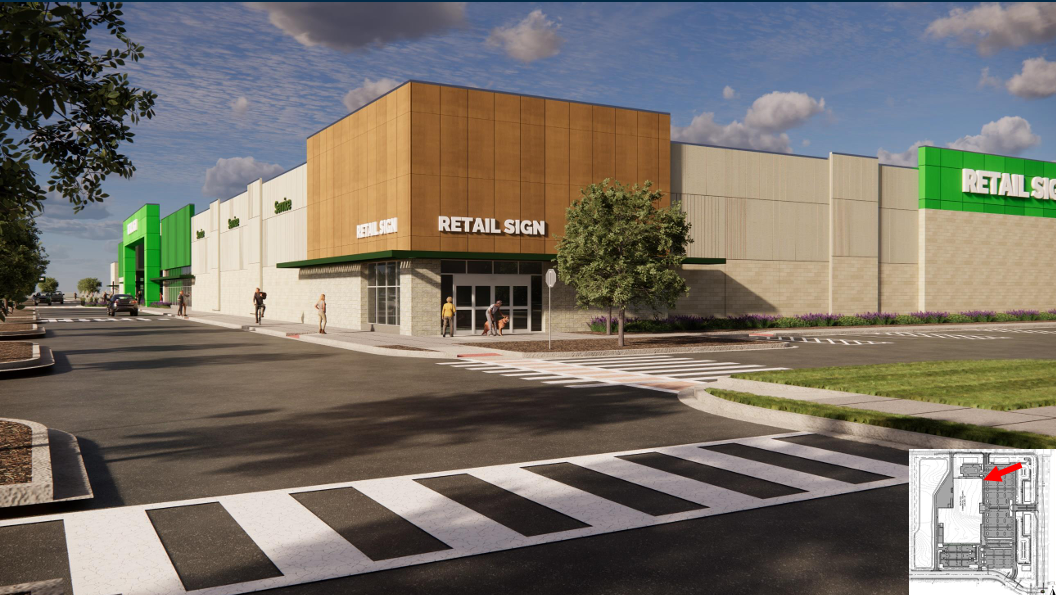
Amazon has long been a disruptor in the retail industry, challenging the dominance of traditional giants like Walmart. However, a recent proposal for a massive, 229,000-square-foot Amazon facility in suburban Chicago signals a new chapter in the company’s retail strategy.
The proposed Amazon superstore bears resemblance to classic Walmart supercenters but adds unique Amazon elements, such as the ability to order items through an app or kiosk for fulfillment from the store’s backend. This concept aligns with Amazon’s ethos of experimentation and customer-centric innovation.
The store is designed to offer a wide range of products, including fresh groceries, household essentials, and general merchandise, providing customers with a one-stop shopping destination. This strategic move reflects Amazon’s ambition to capture a larger share of the retail market, especially considering that online shopping accounts for less than 20% of total U.S. retail spending.
Analysts have noted Amazon’s ongoing efforts to diversify its physical retail presence, including the acquisition of Whole Foods in 2017. With over 150 million grocery shoppers in the U.S. and significant revenue from grocery sales, Amazon is now exploring new avenues to attract customers who still frequent traditional brick-and-mortar retailers like Walmart.
The proposed superstore concept represents Amazon’s attempt to blend the convenience of online shopping with the tactile experience of in-store browsing. By incorporating tech-driven solutions, such as in-store kiosks for ordering and backend operations for efficient order fulfillment, Amazon aims to enhance the overall shopping experience for customers.
Notably, the superstore’s layout emphasizes a seamless integration of digital and physical retail, enabling customers to request specific items and streamline the checkout process. This approach mirrors Amazon’s innovative initiatives at Whole Foods, where technology is leveraged to enhance customer convenience and product accessibility.
Furthermore, the superstore’s design includes dedicated areas for delivery drivers and streamlined pickup lanes for customers, ensuring a smooth flow of goods without disrupting the in-store experience. This meticulous planning underscores Amazon’s commitment to optimizing the operational efficiency of its physical retail outlets.
The Orland Park superstore project has received positive feedback from the local planning commission, with a recommendation for approval by a significant majority. If the project gets the final go-ahead from the Orland Park Village Board of Trustees, the superstore could potentially open its doors to customers by late 2027, marking a significant milestone in Amazon’s retail expansion strategy.










Apple’s AI Playlist Playground: Where Music Goes to Die

Beyond the Stars: For All Mankind Season 5 Unveiled in Liminal Film Expose

Top 10 Fuel-Efficient Cars for Less Than $50,000

The Illusionists: Mastering Deception in Hacking and ArtForgery

PUBG: Blindspot Shuts Down Early Despite Record Revenues

The High Stakes of AI: OpenAI’s Bold Move to Kill Sora

Top Apple Innovations: A Ranking of the Best Products Over 50 Years

Access Over 70 Languages on Your iPhone with Google’s Live Translate Feature

Caroline’s Legacy: The Unique Bugatti Mistral

EU Takes Action Against Instagram and Facebook for Violating Illegal Content Rules

Warning: Facebook Creators Face Monetization Loss for Stealing and Reposting Videos

Facebook Compliance: ICE-tracking Page Removed After US Government Intervention

Facebook’s New Look: A Blend of Instagram’s Style

Facebook and Instagram to Reduce Personalized Ads for European Users

InstaDub: Meta’s AI Translation Tool for Instagram Videos

Reclaim Your Account: Facebook and Instagram Launch New Hub for Account Recovery

Meta discontinues Messenger apps for Windows and macOS

Breaking Updates: Meta Connect 2025 Unveils Latest Developments

The BEST Smartphone of 2020 🏆

The Self-Healing Smartphones!

Apple is not what it used to be.

Smartphones are Boring now.

The Fastest Android Phone Ever.

Unboxing the $122,000 Smartphone. 🤯

Are Linux Smartphones about to KILL Android?

15 Smartphone FAILS to ruin your day 😂

World’s Biggest Smartphone Collection?
-
 Facebook5 months ago
EU Takes Action Against Instagram and Facebook for Violating Illegal Content Rules
-
 Facebook5 months ago
Warning: Facebook Creators Face Monetization Loss for Stealing and Reposting Videos
-
 Facebook5 months ago
Facebook Compliance: ICE-tracking Page Removed After US Government Intervention
-
 Facebook4 months ago
Facebook’s New Look: A Blend of Instagram’s Style
-
 Facebook4 months ago
Facebook and Instagram to Reduce Personalized Ads for European Users
-
 Facebook5 months ago
InstaDub: Meta’s AI Translation Tool for Instagram Videos
-
 Facebook4 months ago
Reclaim Your Account: Facebook and Instagram Launch New Hub for Account Recovery
-
 Apple5 months ago
Meta discontinues Messenger apps for Windows and macOS
