
Mobile Tech
Apple’s Fight Against $38 Billion Antitrust Penalty in India

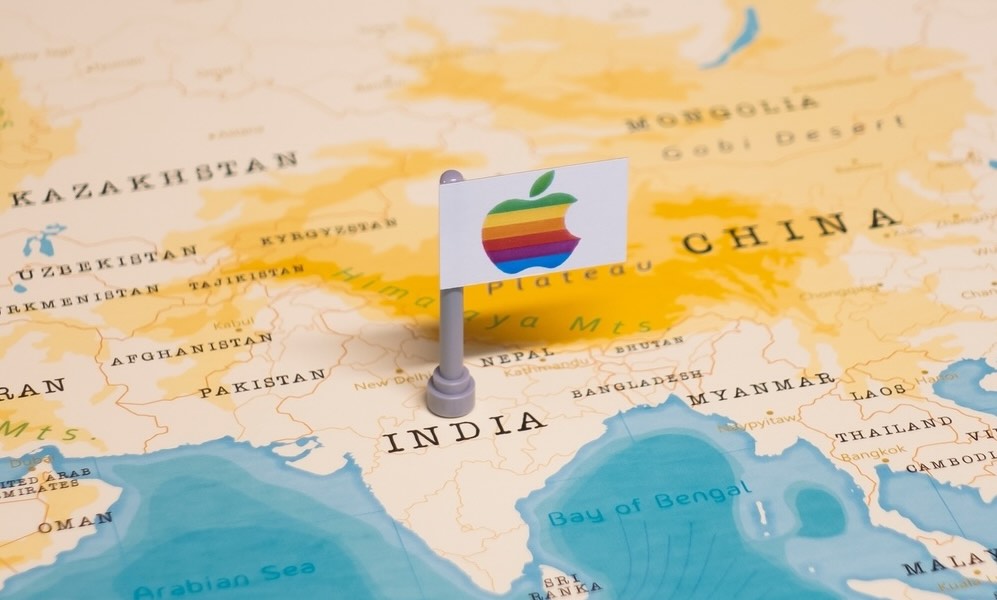
Apple has been facing scrutiny from Indian antitrust regulators for allegedly abusing its dominance in the App Store and imposing its own in-app purchasing system on third-party developers. This issue is not new, as many developers have criticized Apple for taking a 15–30% cut of digital purchases and subscriptions. The lawsuit filed by Epic Games against Apple five years ago highlighted this issue, leading to new antitrust investigations and regulations like the European Union’s Digital Markets Act.
In 2021, the Indian antitrust case was initiated by a non-profit group called “Together We Fight Society,” followed by similar filings from Match, the company behind Tinder, and other Indian startups. The Competition Commission of India (CCI) decided to investigate all these cases collectively, claiming that Apple’s fees were anti-competitive.
What sets India’s case apart is the potential penalty Apple could face. A new penalty law in India allows the CCI to impose penalties based on global turnover, which could amount to $38 billion for Apple. The company has denied any wrongdoing and is challenging the use of global turnover in determining penalties.
Apple argues that penalties should be based on Indian revenue related to the specific violation, not the company’s total global turnover. The company cited an example of a toy seller with a stationery business to support its argument against the use of global turnover.
The proactive approach taken by Apple is driven by a previous case where the CCI imposed a fine for a 10-year-old violation under the new penalty law. Match believes that hefty fines are necessary to protect its business from Apple’s 30% commission, which it claims is impacting its revenues.
Legal experts believe that Apple faces slim chances of success in challenging the penalty law. The company is set to argue its case on December 3, but the outcome remains uncertain. A $38 billion penalty would be one of the largest fines Apple has ever faced, and it could serve as a deterrent against future violations.
Overall, the case highlights the ongoing debate over Apple’s App Store policies and the implications of global turnover in determining penalties for antitrust violations. It remains to be seen how the situation will unfold and what impact it will have on Apple’s operations in India and beyond.












19 Smartphone Gadgets that Blew me Away.

Critical Flaw in Smart Slider Plugin Puts 500K WordPress Sites at Risk

Exclusive Deal: PS5 Pro Price Jumping to £789 Next Week!

Lunar Love: How Watch Club Aims to Dominate the Werewolf Romance Market

Revolutionizing Technology: How the Macintosh Forever Transformed the World of Computers

Tech Savvy Heroes: AirTag Child Rescue, DarkSword Hack, and More Adventures

Chinese Brand’s Newest Small Electric Hatch Sets Safety Standard with Anticipated Five-Star Rating

The Unforeseen Lessons: A Microsoft VP’s Journey from India to the Age of AI

Cloudflare Evasion: How Phishing Targets TikTok Business Accounts Through Turnstile Tactics

EU Takes Action Against Instagram and Facebook for Violating Illegal Content Rules

Warning: Facebook Creators Face Monetization Loss for Stealing and Reposting Videos

Facebook Compliance: ICE-tracking Page Removed After US Government Intervention

Facebook’s New Look: A Blend of Instagram’s Style

Facebook and Instagram to Reduce Personalized Ads for European Users

InstaDub: Meta’s AI Translation Tool for Instagram Videos

Reclaim Your Account: Facebook and Instagram Launch New Hub for Account Recovery

Meta discontinues Messenger apps for Windows and macOS

Breaking Updates: Meta Connect 2025 Unveils Latest Developments
19 Smartphone Gadgets that Blew me Away.

iPhone 12 Pro Max Unboxing & Review!

iPhone 12 Pro Max vs Samsung Note 20 Ultra / Huawei Mate 40 Pro Camera Test Comparison.

iPhone 12 Pro Max vs Samsung Note 20 Ultra / Huawei / Xiaomi / OnePlus Battery Life DRAIN Test.

The BEST Smartphone of 2020 🏆

The Self-Healing Smartphones!

Apple is not what it used to be.

Smartphones are Boring now.

The Fastest Android Phone Ever.
-
 Facebook5 months ago
EU Takes Action Against Instagram and Facebook for Violating Illegal Content Rules
-
 Facebook6 months ago
Warning: Facebook Creators Face Monetization Loss for Stealing and Reposting Videos
-
 Facebook6 months ago
Facebook Compliance: ICE-tracking Page Removed After US Government Intervention
-
 Facebook4 months ago
Facebook’s New Look: A Blend of Instagram’s Style
-
 Facebook4 months ago
Facebook and Instagram to Reduce Personalized Ads for European Users
-
 Facebook6 months ago
InstaDub: Meta’s AI Translation Tool for Instagram Videos
-
 Facebook4 months ago
Reclaim Your Account: Facebook and Instagram Launch New Hub for Account Recovery
-
 Apple5 months ago
Meta discontinues Messenger apps for Windows and macOS
