
Cars
Automakers Fail to Meet NVES Emissions Targets: Facing Public Shaming in 2026

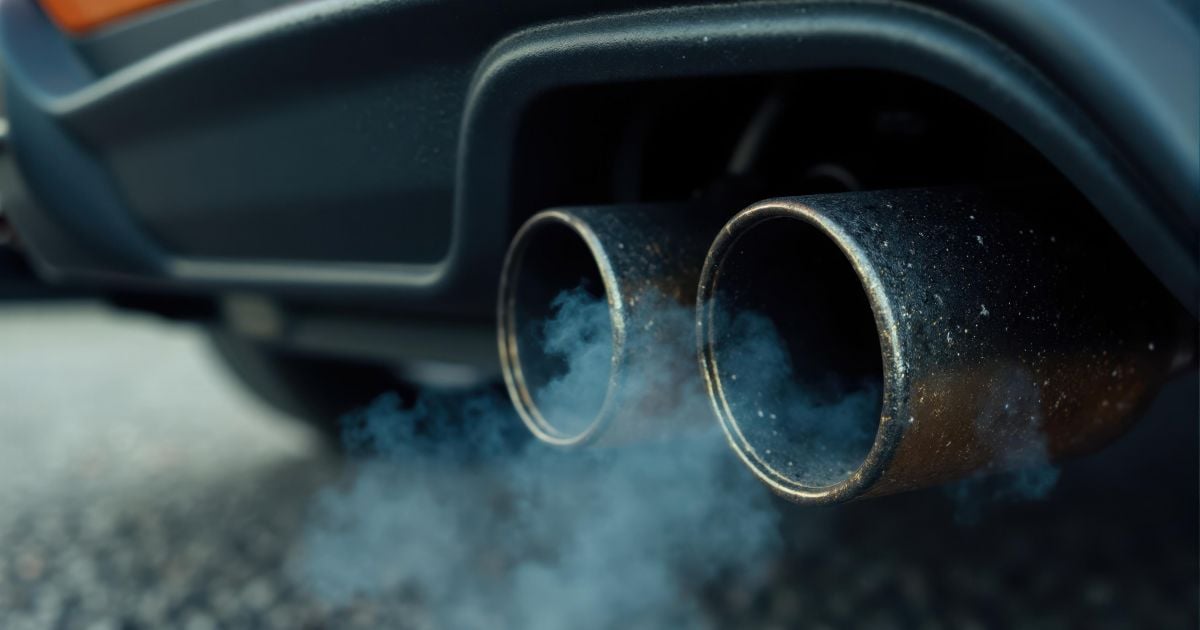
Australia’s New Vehicles Efficiency Standard: A Closer Look
Starting in 2026, automakers in Australia that fail to meet emissions standards set by the New Vehicles Efficiency Standard (NVES) will face public scrutiny. The NVES, which came into effect on January 1, 2025, imposes fines on brands that exceed specified carbon-dioxide (CO2) emissions limits across their range of models. The first ‘performance period’ runs from January 1 to December 31, 2025, with the NVES Regulator set to release interim emissions values in February 2026.
Automakers that have surpassed CO2 limits for light passenger vehicles will have the chance to offset these excess emissions by introducing lower-emission vehicles in 2026 and 2027. By December 31, 2027, brands must address any remaining emissions against the 2025 ‘final emissions value’ (FEV). The first penalties will be calculated and issued in 2028, based on the FEV, marking three years since the NVES was implemented.
The NVES has sparked debate since its proposal, particularly due to its two-tier system with separate CO2 limits for smaller and larger vehicles. Brands like Toyota, a top-selling brand in Australia, have advocated for the inclusion of hybrid vehicles in the NVES targets.
Impacts on the Automotive Industry
Responding to the NVES, automakers like Nissan and Ford have made adjustments to their model lineups and pricing strategies in Australia. For instance, Nissan delayed the introduction of its Ariya electric SUV in the country until prompted by the NVES in 2025. Ford, on the other hand, raised prices across its Mustang lineup in mid-2025, citing the NVES as a contributing factor.
Additionally, Ford discontinued its 2.0-litre bi-turbo diesel engine in Australia in November 2025, aligning with emission laws. The company plans to introduce a single-turbo version of the engine as the new base powertrain for its Ranger and Everest models from mid-2026.
Future Outlook
Looking ahead, European regulations have been revised to allow for a 90% target of zero-emission vehicles by 2035, making room for hybrid models with internal combustion engines. This shift may influence future policies and decisions within the automotive industry, both in Australia and globally.
As the automotive landscape continues to evolve in response to emission standards and consumer preferences, automakers must adapt their strategies to meet regulatory requirements and market demands.
For more insights on emission standards and their impact on car buyers, check out our detailed guide: What the first federal emission standard means for Aussie car buyers.










Unveiling the Powerhouse: Mercedes-AMG GT Black Series with Dynamic Aero System Spotted at Nurburgring

iPhone 12 Pro Max Unboxing & Review!

European Commission Launches Investigation into Amazon Cloud Account Breach

Drama and Dollars: The Evolution of Soap Opera-TikTok Hybrids

Maximizing MacBook Battery Life: Tips for Charging Slowly and Setting Charge Limits

Lost Legacy: The Disappearance of AC Schnitzer and the Changing Automotive Landscape

Cyber Warfare: The Battlefront of the Digital Age

Monster Hunter Stories 3: The Challenge of Twisted Reflection

Revolutionizing Cash-Pay Clinic Prescribing: VITL Secures $7.5M Amid GLP-1 Boom

EU Takes Action Against Instagram and Facebook for Violating Illegal Content Rules

Warning: Facebook Creators Face Monetization Loss for Stealing and Reposting Videos

Facebook Compliance: ICE-tracking Page Removed After US Government Intervention

Facebook’s New Look: A Blend of Instagram’s Style

Facebook and Instagram to Reduce Personalized Ads for European Users

InstaDub: Meta’s AI Translation Tool for Instagram Videos

Reclaim Your Account: Facebook and Instagram Launch New Hub for Account Recovery

Meta discontinues Messenger apps for Windows and macOS

Breaking Updates: Meta Connect 2025 Unveils Latest Developments
iPhone 12 Pro Max Unboxing & Review!

iPhone 12 Pro Max vs Samsung Note 20 Ultra / Huawei Mate 40 Pro Camera Test Comparison.

iPhone 12 Pro Max vs Samsung Note 20 Ultra / Huawei / Xiaomi / OnePlus Battery Life DRAIN Test.

The BEST Smartphone of 2020 🏆

The Self-Healing Smartphones!

Apple is not what it used to be.

Smartphones are Boring now.

The Fastest Android Phone Ever.

Unboxing the $122,000 Smartphone. 🤯
-
 Facebook5 months ago
EU Takes Action Against Instagram and Facebook for Violating Illegal Content Rules
-
 Facebook6 months ago
Warning: Facebook Creators Face Monetization Loss for Stealing and Reposting Videos
-
 Facebook6 months ago
Facebook Compliance: ICE-tracking Page Removed After US Government Intervention
-
 Facebook4 months ago
Facebook’s New Look: A Blend of Instagram’s Style
-
 Facebook4 months ago
Facebook and Instagram to Reduce Personalized Ads for European Users
-
 Facebook6 months ago
InstaDub: Meta’s AI Translation Tool for Instagram Videos
-
 Facebook4 months ago
Reclaim Your Account: Facebook and Instagram Launch New Hub for Account Recovery
-
 Apple5 months ago
Meta discontinues Messenger apps for Windows and macOS
