
Inovation
Automating Sustainability: The Role of Refurbishment in Circular Electronics

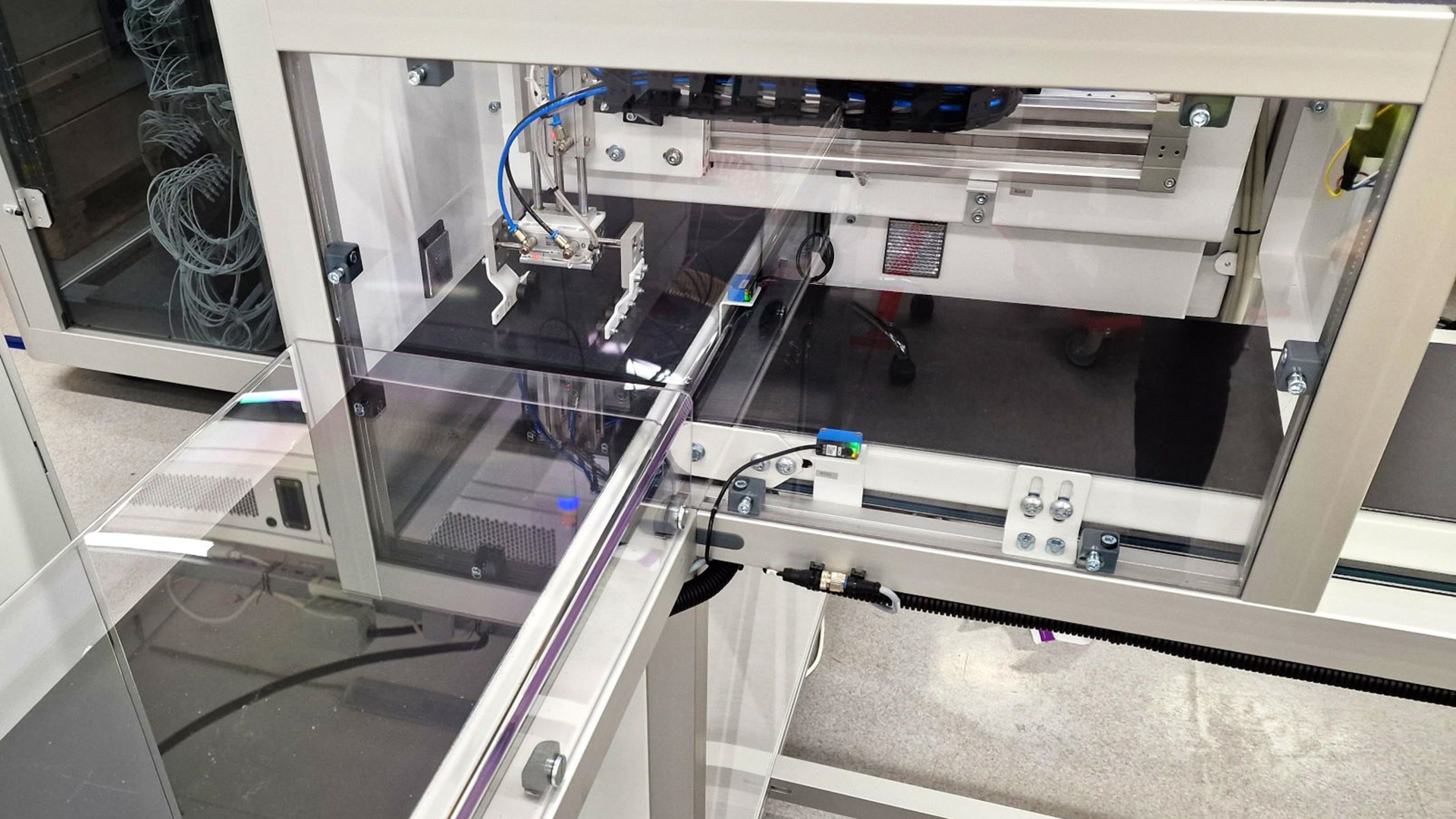
Exploring the Future of Smart Device Refurbishment: Challenges, Opportunities, and Wisematic’s Role
The global secondary market for consumer electronics is rapidly expanding, making refurbishment a key player in the circular economy. In Europe, where sustainability and resource efficiency are paramount, the refurbishment of smart devices like smartphones is gaining recognition as a strategic industry with immense growth potential. This industry intersects with various technological disciplines such as flexible robotics, machine vision, artificial intelligence (AI), reverse logistics, and materials circularity.
Refurbishment automation is not just an extension of traditional manufacturing automation; it requires a unique focus on flexibility and adaptability. Handling a wide range of device types, uncertain conditions, device-specific requirements, and evolving consumer technologies makes refurbishment automation one of the most challenging automation domains.
Maximizing the lifespan of smart devices has significant environmental benefits, including reducing electronic waste and preserving raw materials. As the industry expands, the need for scalable, standardized, and robust refurbishment processes becomes increasingly urgent, with automation being the key to meeting this demand.
Amidst this evolving landscape, Wisematic, a Finnish automation company specializing in miniaturized, flexible automation solutions, has emerged as a crucial innovator. Initially known for solving complex engineering challenges, Wisematic has now focused on automating early-stage device preconditioning in the refurbishment process.
This article delves into the challenges of refurbishment automation, emphasizes its importance for Europe’s circular economy, and highlights Wisematic’s successes and obstacles.
The Key Challenges in Refurbishment Automation
Automating refurbishment workflows remains a daunting task due to the inherent complexities of used smart devices. Challenges include:
1. High Diversity of Devices and Configurations
Smartphones come in various form factors, designs, and architectures, leading to hundreds of different models requiring unique handling approaches in a refurbishment center.
- Device dimensions, weight, and construction
- Connector types, orientations, and recess depths
- Button placement, bezel thickness, and screen curvature
- Battery state and safety conditions
- Operating system versions and security settings
Unlike traditional manufacturing automation, refurbishment automation must adapt to unpredictable and varied inputs.
2. Uncertain Physical Conditions
Each device arrives with a unique history, presenting challenges like broken screens, bent frames, and degraded batteries that require advanced machine vision and error handling strategies.
3. Wide Range of Required Tasks
Early-stage refurbishment involves diverse tasks like device identification, visual inspection, plugging connectors, and launching diagnostics, all of which are difficult to automate due to the mix of cognitive and fine motor skills required.
4. Rapidly Changing Device Technologies
New device types like foldable smartphones introduce mechanical and sensing challenges, necessitating automation systems that can adapt to dynamic hardware behaviors.
5. Software and Data Erasure Complexity
Secure data wiping is crucial for GDPR compliance, but the lack of standardized device-level protocols for data erasure complicates automation.
The Importance of Refurbishment Automation
Enhancing refurbishment automation is critical for several reasons:
1. Environmental and Resource Sustainability
Extending device lifespan reduces the demand for raw materials, minimizes waste, and supports sustainable electronics policies in Europe.
2. Economic Competitiveness and Labour Efficiency
Automation reduces operational costs, improves efficiency, and allows skilled staff to focus on technical analysis rather than repetitive tasks.
3. Quality, Traceability, and Consumer Trust
Automated processes ensure consistent treatment of devices, enhancing diagnostic accuracy, grading consistency, and quality assurance.
4. Meeting Rising Demand in an Expanding Market
The growing secondary smartphone market necessitates automated solutions to scale operations and meet increasing demand for refurbished devices.
5. Enhancing Technological Resilience in Europe
Refurbished devices reduce reliance on new technology imports, increase device availability during supply chain disruptions, and support Europe’s digital sovereignty goals.
Wisematic’s Successes and Hurdles
Wisematic, with over twenty years of experience in flexible automation, has excelled in automating the challenging preconditioning phase and solving complex automation cases. Their modular system design ensures scalability and adaptability to evolving device trends.
However, challenges like extreme device variation, lack of standardization, and increasing mechanical complexity pose hurdles that require continuous R&D and collaboration for resolution.
The Future of Refurbishment Automation
Wisematic envisions a future where automation is seamlessly integrated into Europe’s circular economy infrastructure, focusing on advancing flexible automation technologies, fostering industry-regulator collaboration, and achieving end-to-end automation in the refurbishment process.
This vision aligns with EU climate targets and supports sustainable consumption practices, making automation the key enabler of a circular electronics economy.
Conclusion
Smart device refurbishment plays a vital role in Europe’s circular economy, necessitating advanced automation systems to address the complexities of the process. Wisematic’s innovative solutions and industry collaboration are paving the way for a sustainable and efficient refurbishment ecosystem.
Please note, this article will also appear in the 25th edition of our quarterly publication.










Unboxing the Mystery: Investigating the Viral April 2026 iPhone Fold

The Benefits of Limiting AI Agents: A Closer Look at Apple’s Approach

BYD Ramps Up Australian Shipments to Meet Demand During Fuel Price Spike

Google Pixel 4a Unboxing – Ridiculous.

Stealthy Strikes: LucidRook Malware Threatens NGOs and Universities

Aqara Multi-State Sensor P100: The Ultimate Smart Home Sensor with Matter and Thread Compatibility

Unlocking Team Success: Recognizing the Signs for a Team-Building Day

Meta’s Dilemma: Balancing Open-Source Identity with Competitive AI Models

The Hidden Drain: How Notifications Are Secretly Draining Your iPhone Battery

EU Takes Action Against Instagram and Facebook for Violating Illegal Content Rules

Warning: Facebook Creators Face Monetization Loss for Stealing and Reposting Videos

Facebook Compliance: ICE-tracking Page Removed After US Government Intervention

Facebook’s New Look: A Blend of Instagram’s Style

Facebook and Instagram to Reduce Personalized Ads for European Users

InstaDub: Meta’s AI Translation Tool for Instagram Videos

Reclaim Your Account: Facebook and Instagram Launch New Hub for Account Recovery

Meta discontinues Messenger apps for Windows and macOS

Breaking Updates: Meta Connect 2025 Unveils Latest Developments
Google Pixel 4a Unboxing – Ridiculous.

Samsung Galaxy Note 20 Ultra vs Galaxy S20 Ultra Impressions

Samsung Galaxy Z Fold 2 – The Big Problem.

I bought the cheapest smartphones EVER.

Xiaomi Mi 10 Ultra – Unboxing and Review.

Galaxy Note 20 Ultra Review.

I bought every Galaxy Note ever.

Samsung and Google are at War.

OnePlus 7 Pro in 2020 – Wow.
-
 Facebook6 months ago
EU Takes Action Against Instagram and Facebook for Violating Illegal Content Rules
-
 Facebook6 months ago
Warning: Facebook Creators Face Monetization Loss for Stealing and Reposting Videos
-
 Facebook6 months ago
Facebook Compliance: ICE-tracking Page Removed After US Government Intervention
-
 Facebook4 months ago
Facebook’s New Look: A Blend of Instagram’s Style
-
 Facebook4 months ago
Facebook and Instagram to Reduce Personalized Ads for European Users
-
 Facebook6 months ago
InstaDub: Meta’s AI Translation Tool for Instagram Videos
-
 Facebook4 months ago
Reclaim Your Account: Facebook and Instagram Launch New Hub for Account Recovery
-
 Apple6 months ago
Meta discontinues Messenger apps for Windows and macOS
