
Inovation
Autonomous Materials Cultivation: The Self-Driving Lab Innovation

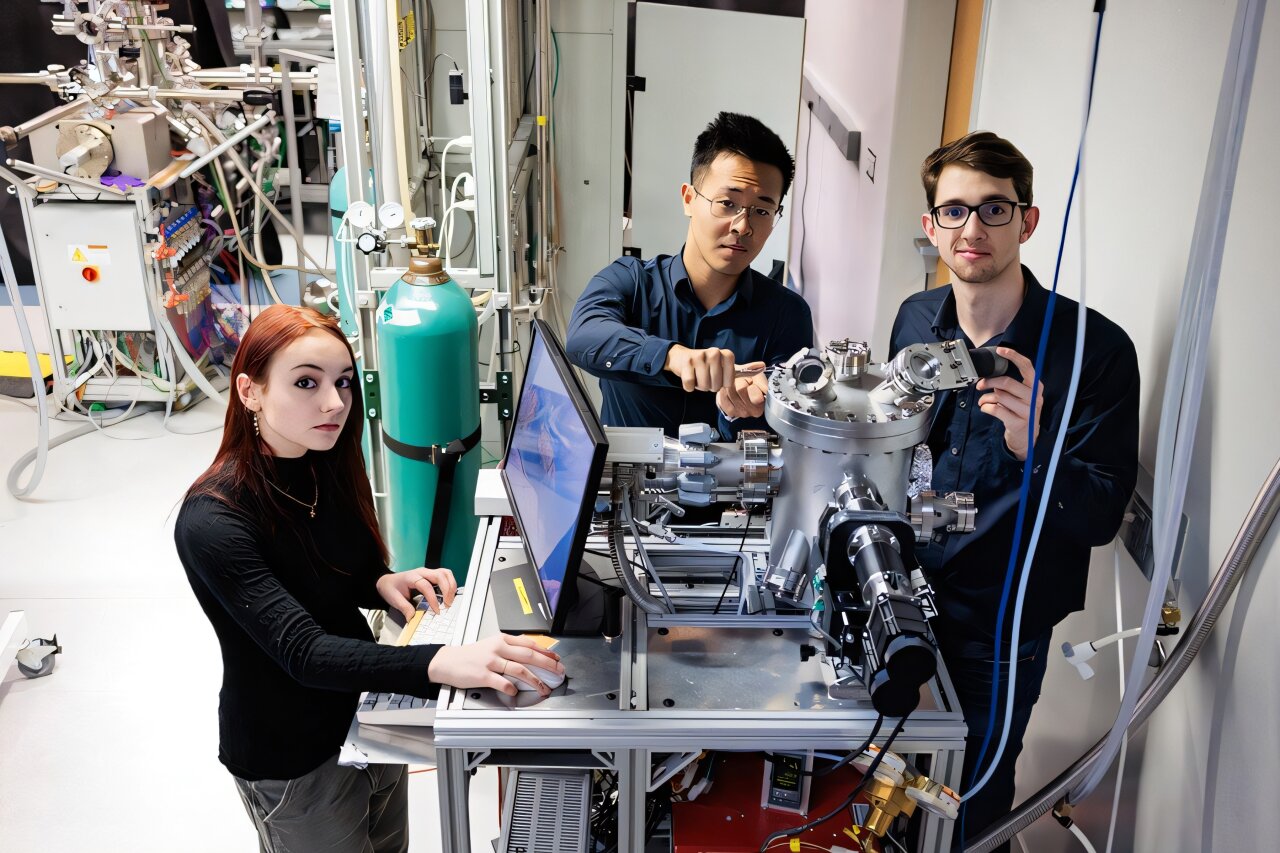
Scientists traditionally spend months experimenting with temperature, composition, and timing to create thin metal films for various technologies. However, researchers at the University of Chicago Pritzker School of Molecular Engineering have introduced a revolutionary “self-driving” lab system that utilizes robotics and AI to make real-time decisions without human oversight.
The system, as described by Yuanlong Bill Zheng, an undergraduate and now a Ph.D. student at UChicago PME, automates the entire experimental process, from conducting experiments to analyzing results and using machine learning to guide subsequent attempts.
Published in npj Computational Materials, the work by Asst. Prof. Shuolong Yang and the team marks a significant step towards a futuristic mode of manufacturing using autonomous systems.
Enhancing the Physical Vapor Deposition Process
The self-driving system centers around the physical vapor deposition (PVD) process, where materials are vaporized and condensed into thin layers on surfaces. This process is highly sensitive to various parameters, making outcome prediction challenging.
The team, in collaboration with UChicago’s Computer Science Department, developed a machine learning algorithm to predict the parameters required for specific thin films. This algorithm guides the system through a series of experiments until the desired outcome is achieved.
To address unpredictable factors, the system starts each experiment with a calibration layer to account for variations, enhancing the model’s accuracy and reproducibility.
Advancing Material Synthesis
Testing the system with silver films, the researchers achieved the desired results in an average of 2.3 attempts, significantly reducing the time and effort required compared to traditional methods. The cost-effective setup, built by undergraduate students, showcases the potential for AI and robotics in material synthesis.
The team aims to expand this approach to complex materials, paving the way for advancements in electronics and quantum devices. As Yang emphasizes, this prototype demonstrates the transformative power of AI and robotics in materials discovery.













The End of Security: iOS 13 and 14 Vulnerabilities in 2026

Exclusive Look: The 2027 Chevrolet Corvette Grand Sport Unleashed at Sebring

DON’T buy a Screen Protector before watching this.

Exploiting Vulnerable Drivers: How EDR Killers Use BYOVD to Disable Security

Alphabet’s X Unveils Innovative Spinout Targeting Costly Bureaucratic Challenges

Lawsuit: Halide co-founder accuses Sebastiaan de With of code theft for Apple

Previewing the Next Level: Apple Unveils iOS 26.4 RC for iPhone with Exciting New Features

Revamped Design: BMW’s Modern Makeover for the i3 Sedan

GitHub Actions Exploited in Trivy Vulnerability Scanner Breach, Infostealer Unleashed

EU Takes Action Against Instagram and Facebook for Violating Illegal Content Rules

Warning: Facebook Creators Face Monetization Loss for Stealing and Reposting Videos

Facebook Compliance: ICE-tracking Page Removed After US Government Intervention

Facebook’s New Look: A Blend of Instagram’s Style

Facebook and Instagram to Reduce Personalized Ads for European Users

InstaDub: Meta’s AI Translation Tool for Instagram Videos

Reclaim Your Account: Facebook and Instagram Launch New Hub for Account Recovery

Meta discontinues Messenger apps for Windows and macOS

Breaking Updates: Meta Connect 2025 Unveils Latest Developments
DON’T buy a Screen Protector before watching this.

Beware of Fake Reviewers! ⚠️

Xiaomi Mi 11 Unboxing & Review.

The Galaxy S21 Ultra is Better than you think.

Samsung Galaxy S21 Ultra vs iPhone 12 Pro Max Camera Test Comparison.

Samsung S21 Ultra vs iPhone Battery Life Test!

The Truth about Xiaomi “Air Charging”

DON’T buy this Smartphone.

Galaxy S21 Ultra – Exynos vs Snapdragon.
-
 Facebook5 months ago
EU Takes Action Against Instagram and Facebook for Violating Illegal Content Rules
-
 Facebook5 months ago
Warning: Facebook Creators Face Monetization Loss for Stealing and Reposting Videos
-
 Facebook5 months ago
Facebook Compliance: ICE-tracking Page Removed After US Government Intervention
-
 Facebook3 months ago
Facebook’s New Look: A Blend of Instagram’s Style
-
 Facebook3 months ago
Facebook and Instagram to Reduce Personalized Ads for European Users
-
 Facebook5 months ago
InstaDub: Meta’s AI Translation Tool for Instagram Videos
-
 Facebook4 months ago
Reclaim Your Account: Facebook and Instagram Launch New Hub for Account Recovery
-
 Apple5 months ago
Meta discontinues Messenger apps for Windows and macOS
