
Mobile Tech
Beware: iPhone Owners Targeted by Fake Recovery Scam

The past year has been full of excitement for Apple, its loyal users, and investors. Tim Cook’s adept handling of intricate tariff regulations and quick supply chain diversification, along with the launch of the highly sought-after iPhone 17 and the attainment of record profits, underscores Apple’s commitment to customer satisfaction and investor trust.
Despite these positive developments, it’s crucial for users to remain vigilant against digital threats. Hackers and scammers are constantly evolving, sometimes staying a step ahead. While Apple continuously enhances privacy and security measures, users also play a vital role in safeguarding their own data. Your iPhone is a valuable tool, but it’s essential to remember that you are the ultimate line of defense.
A recent survey conducted by Google and YouGov compared the scam protection offered by Android phones and iOS devices. The results indicated that Android users were less likely to receive scam texts compared to iOS users. This serves as a reminder for iPhone owners to stay alert for fraudulent calls, messages, and emails, regardless of the platform they use.
Social engineering remains a prevalent tactic used by scammers to gain unauthorized access. The National Cyber Security Centre (NCSC) issued a warning to iPhone users about a new scam exploiting the loss or theft of devices. Scammers are leveraging stolen device details to deceive victims into revealing their Apple ID credentials.
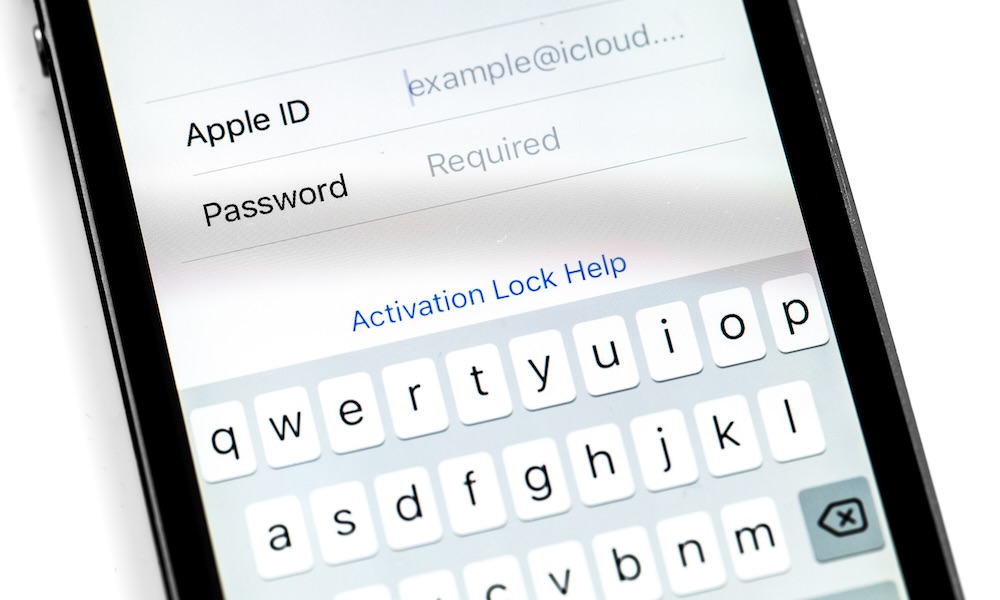
Scammers claim to have found the lost iPhone overseas and provide accurate device information to make their messages appear legitimate. However, the provided link leads to a fake Apple login page designed to steal user credentials, allowing scammers to gain full control over the account.
The ultimate aim of this scam is to bypass the iPhone’s Activation Lock and access personal data or make the device marketable. Scammers may exploit the Find My feature’s Lost Mode to target victims using contact information displayed on the lock screen.
Hackers use this stolen information to initiate phishing attacks, directing users to fake Apple login pages to obtain their credentials. Recipients may receive persistent messages or more convincing tactics, such as false claims of device recovery and imminent data risks.
It’s crucial to remain cautious and verify any suspicious messages directly with Apple. The company will never request sensitive information via text or email, especially regarding lost device recovery. Users should refrain from sharing personal details and promptly report any suspicious communication.
In a year marked by Apple’s advancements, user vigilance remains paramount. Stay informed, stay alert, and assist others in recognizing and thwarting potential scams.













Cyber Warfare: The Battlefront of the Digital Age

Monster Hunter Stories 3: The Challenge of Twisted Reflection

Revolutionizing Cash-Pay Clinic Prescribing: VITL Secures $7.5M Amid GLP-1 Boom

Balancing Act: The Decision to Shut Down Sora

Exclusive Arrival: Cupra Born VZ Lands in Australia – But There’s a Twist!

iPhone 12 Pro Max vs Samsung Note 20 Ultra / Huawei Mate 40 Pro Camera Test Comparison.

ClickFix: The New Threat to macOS Security

Kingdom Come: Deliverance 2 – The Rise of Artificial Intelligence

Elon Musk’s Latest Venture Faces Uncertainty as Last Co-Founder Departs xAI

EU Takes Action Against Instagram and Facebook for Violating Illegal Content Rules

Warning: Facebook Creators Face Monetization Loss for Stealing and Reposting Videos

Facebook Compliance: ICE-tracking Page Removed After US Government Intervention

Facebook’s New Look: A Blend of Instagram’s Style

Facebook and Instagram to Reduce Personalized Ads for European Users

InstaDub: Meta’s AI Translation Tool for Instagram Videos

Reclaim Your Account: Facebook and Instagram Launch New Hub for Account Recovery

Meta discontinues Messenger apps for Windows and macOS

Breaking Updates: Meta Connect 2025 Unveils Latest Developments
iPhone 12 Pro Max vs Samsung Note 20 Ultra / Huawei Mate 40 Pro Camera Test Comparison.

iPhone 12 Pro Max vs Samsung Note 20 Ultra / Huawei / Xiaomi / OnePlus Battery Life DRAIN Test.

The BEST Smartphone of 2020 🏆

The Self-Healing Smartphones!

Apple is not what it used to be.

Smartphones are Boring now.

The Fastest Android Phone Ever.

Unboxing the $122,000 Smartphone. 🤯

Are Linux Smartphones about to KILL Android?
-
 Facebook5 months ago
EU Takes Action Against Instagram and Facebook for Violating Illegal Content Rules
-
 Facebook5 months ago
Warning: Facebook Creators Face Monetization Loss for Stealing and Reposting Videos
-
 Facebook5 months ago
Facebook Compliance: ICE-tracking Page Removed After US Government Intervention
-
 Facebook4 months ago
Facebook’s New Look: A Blend of Instagram’s Style
-
 Facebook4 months ago
Facebook and Instagram to Reduce Personalized Ads for European Users
-
 Facebook6 months ago
InstaDub: Meta’s AI Translation Tool for Instagram Videos
-
 Facebook4 months ago
Reclaim Your Account: Facebook and Instagram Launch New Hub for Account Recovery
-
 Apple5 months ago
Meta discontinues Messenger apps for Windows and macOS
