
Cars
BMW: A New Era of Reliability Unnoticed Online

The Evolution of BMW Reliability: Fact vs. Fiction
For years, BMW has battled a reputation for less-than-stellar reliability. The brand’s foray into new technologies and complex electronics in the late 1990s and early 2000s left many drivers with costly maintenance issues. The E46 BMW 3 Series and early E60 BMW 5 Series, while enjoyable to drive, introduced cooling system problems, experimental electronics, and components that didn’t age well without strict upkeep. BMW’s reliance on long service intervals and “lifetime” fluids further exacerbated these issues, leading to a perception of unreliability.
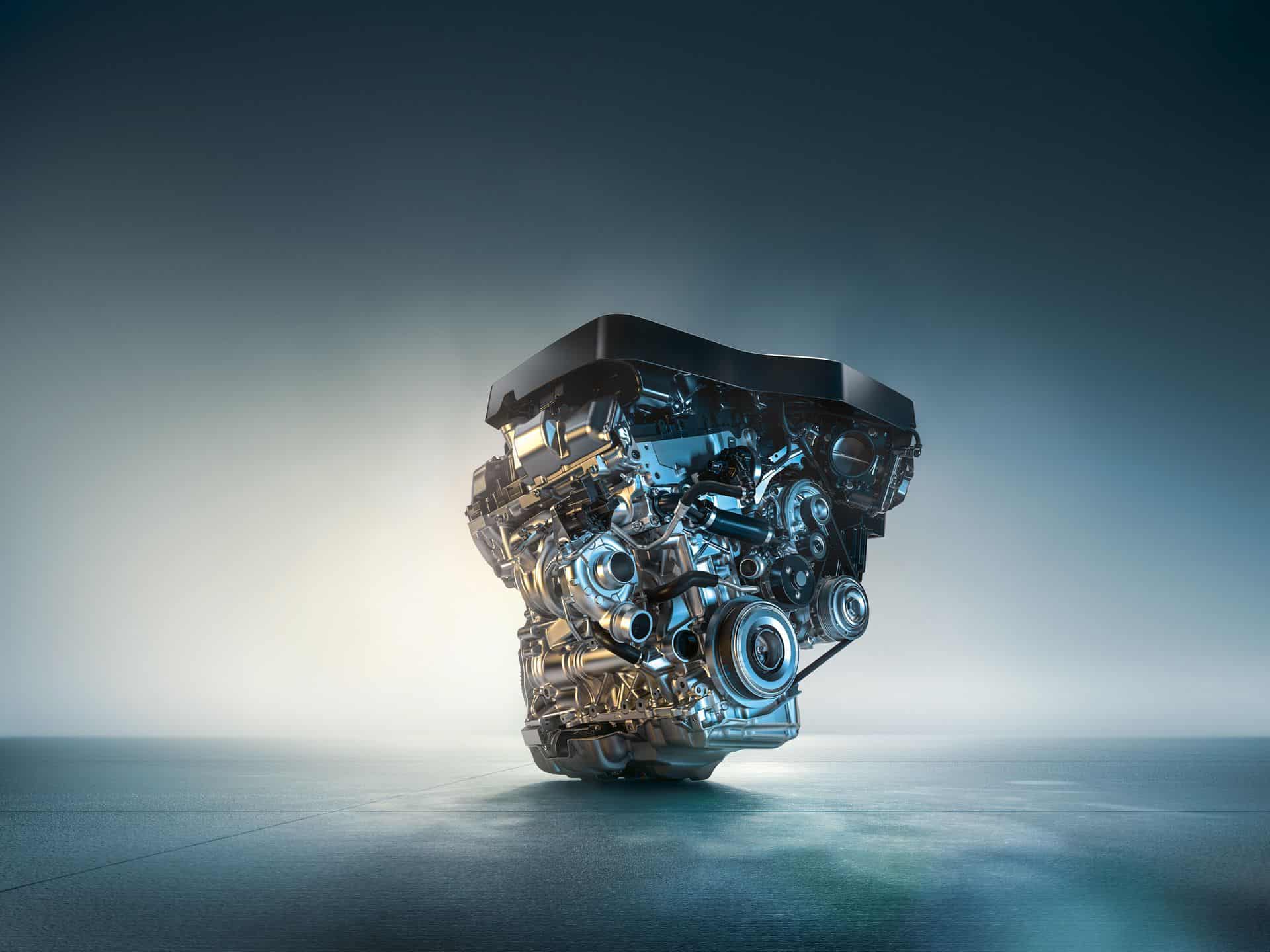
However, recent years have seen a shift in this narrative. BMW’s newer engines, such as the N52 and B58, have proven to be more reliable, especially when properly maintained. The turbocharged B58, in particular, has showcased durability even at higher mileages, earning praise for its longevity. Despite these improvements, outdated perceptions of BMW’s reliability persist, fueled by anecdotal evidence and past experiences.
It’s essential to distinguish between brand reliability and individual car reliability. While certain BMW models may have had specific issues, such as rod-bearing failure in older models, these are not indicative of the entire brand’s reliability. Like any vehicle, BMWs require regular maintenance to ensure longevity.
One common misconception is equating reliability with maintenance costs. Luxury cars like BMWs are inherently more expensive to maintain due to their advanced technology and high-performance capabilities. While BMWs may require more upkeep than economy cars like Toyota Camry, this does not necessarily make them unreliable.
Furthermore, BMW’s enthusiast image and the tendency for owners to push their cars to the limit can accelerate wear and maintenance needs. While BMW has made strides in improving reliability, informed ownership and proactive maintenance remain crucial for longevity.
The Future of BMW Reliability
Despite lingering perceptions of BMW’s reliability issues, the brand has made significant advancements in recent years. Newer engines like the B58 and S58 have demonstrated improved durability and reliability, challenging the notion of BMW as an unreliable manufacturer. As technology continues to evolve, BMW is actively addressing past concerns and striving to deliver more reliable vehicles to its customers.
In conclusion, BMW’s reliability reputation is a nuanced topic that requires a closer look at individual models, maintenance practices, and technological advancements. While the brand may have faced challenges in the past, it is actively working to change perceptions and provide customers with more reliable driving experiences.













Exclusive Arrival: Cupra Born VZ Lands in Australia – But There’s a Twist!

iPhone 12 Pro Max vs Samsung Note 20 Ultra / Huawei Mate 40 Pro Camera Test Comparison.

ClickFix: The New Threat to macOS Security

Kingdom Come: Deliverance 2 – The Rise of Artificial Intelligence

Elon Musk’s Latest Venture Faces Uncertainty as Last Co-Founder Departs xAI

Apple Bids Farewell to the Mac Pro Tower: Is it Truly Dead?

Porsche 911 GT3 RS Facelift: Unveiling the 992.2 Model in August 2026

Bearlyfy Strikes Russian Companies with Unique GenieLocker Ransomware Attack

Innovative Ventures: The 8 Startups Investors Can’t Resist from YC Demo Day

EU Takes Action Against Instagram and Facebook for Violating Illegal Content Rules

Warning: Facebook Creators Face Monetization Loss for Stealing and Reposting Videos

Facebook Compliance: ICE-tracking Page Removed After US Government Intervention

Facebook’s New Look: A Blend of Instagram’s Style

Facebook and Instagram to Reduce Personalized Ads for European Users

InstaDub: Meta’s AI Translation Tool for Instagram Videos

Reclaim Your Account: Facebook and Instagram Launch New Hub for Account Recovery

Meta discontinues Messenger apps for Windows and macOS

Breaking Updates: Meta Connect 2025 Unveils Latest Developments
iPhone 12 Pro Max vs Samsung Note 20 Ultra / Huawei Mate 40 Pro Camera Test Comparison.

iPhone 12 Pro Max vs Samsung Note 20 Ultra / Huawei / Xiaomi / OnePlus Battery Life DRAIN Test.

The BEST Smartphone of 2020 🏆

The Self-Healing Smartphones!

Apple is not what it used to be.

Smartphones are Boring now.

The Fastest Android Phone Ever.

Unboxing the $122,000 Smartphone. 🤯

Are Linux Smartphones about to KILL Android?
-
 Facebook5 months ago
EU Takes Action Against Instagram and Facebook for Violating Illegal Content Rules
-
 Facebook5 months ago
Warning: Facebook Creators Face Monetization Loss for Stealing and Reposting Videos
-
 Facebook5 months ago
Facebook Compliance: ICE-tracking Page Removed After US Government Intervention
-
 Facebook4 months ago
Facebook’s New Look: A Blend of Instagram’s Style
-
 Facebook4 months ago
Facebook and Instagram to Reduce Personalized Ads for European Users
-
 Facebook5 months ago
InstaDub: Meta’s AI Translation Tool for Instagram Videos
-
 Facebook4 months ago
Reclaim Your Account: Facebook and Instagram Launch New Hub for Account Recovery
-
 Apple5 months ago
Meta discontinues Messenger apps for Windows and macOS
