
Cars
China’s New Regulations: Requiring Physical Buttons on Touchscreens

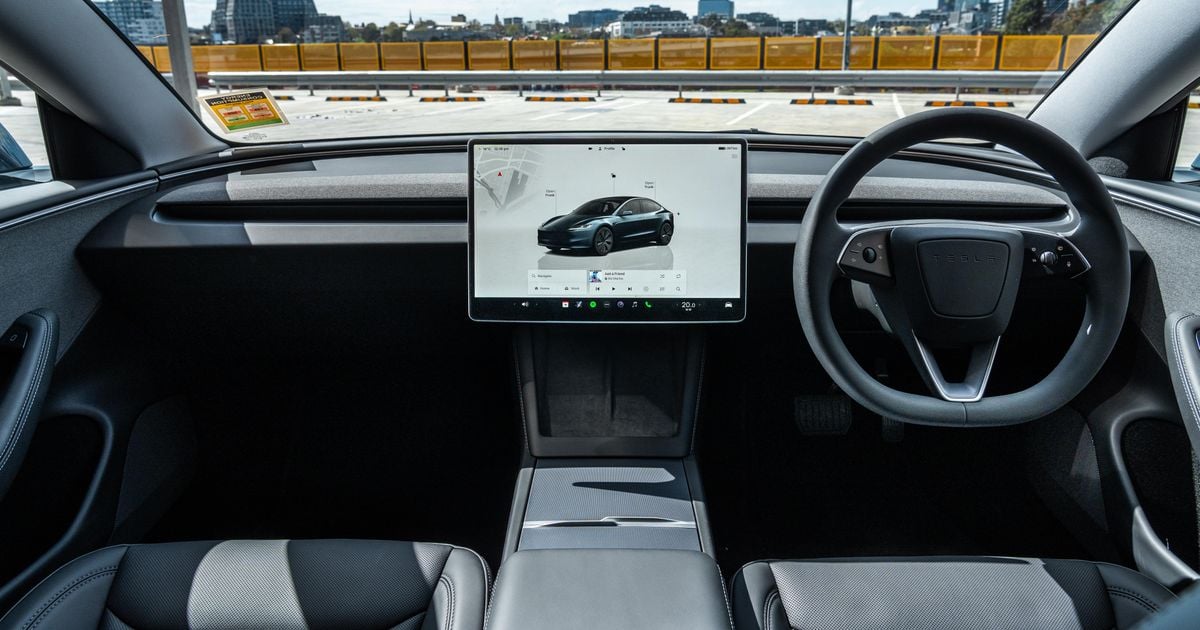
Cars Sold in China to Require Physical Buttons in 2026
Automakers in China will soon have to make significant changes to the interior design of their vehicles, as a new mandate is set to come into effect from July 1, 2026. According to reports from Car News China, cars sold in China will be required to feature physical buttons for key functions, moving away from the minimalist touchscreen-centric cabins that have become popular, particularly following the trend set by Tesla.
The new mandate will necessitate the inclusion of physical buttons or switches for a range of essential functions such as indicators, window operation, windscreen wipers, gear selection, and window demisters. Additionally, it will cover the requirement for physical controls to turn on or off advanced driver assistance system (ADAS) features like lane-keep assist and adaptive cruise control.
Furthermore, electric vehicles (EVs) will be required to have a physical power-off switch, aligning with global safety regulations. The European New Car Assessment Programme (Euro NCAP), in collaboration with the Australasian New Car Assessment Program (ANCAP), will also introduce similar requirements for vehicles from 2026 to ensure a minimum safety standard.
The move towards physical buttons comes in response to customer feedback and safety concerns regarding the usability of touchscreens in vehicles. While touchscreen interfaces have streamlined cabin designs and reduced manufacturing costs, they have also led to complaints about the difficulty of accessing key functions quickly and safely.
Research conducted by Hyundai Design North America (HDNA) revealed a strong preference among consumers for physical buttons, with respondents expressing frustration when unable to control essential functions easily. This sentiment has been echoed by various safety authorities around the world, prompting a reevaluation of interior design practices.
For instance, Tesla faced criticism for removing conventional indicator stalks in favor of touchscreen controls, only to reintroduce them later due to customer feedback. Similarly, Volkswagen faced a lawsuit over capacitive buttons on the steering wheel of its ID.4 EV, leading to a commitment to reintroduce physical buttons in future models.
In China, the new regulations not only require visible physical buttons but also emphasize their “blind-operable” nature, ensuring that drivers can use them without diverting their attention from the road. This focus on safety extends to other aspects of vehicle design, such as the banning of flush electric door handles without mechanical backups.
Overall, the shift towards physical buttons represents a broader effort to enhance vehicle safety and user experience, addressing concerns raised by both consumers and safety authorities. By prioritizing functionality and ease of use, automakers aim to strike a balance between innovative design and practicality in their future vehicle models.













Apple’s 2026 Product Launches Hindered by Stupidity: A Delayed Release

Volvo EX30 EV: Urgent Fix Needed for Fire Risk Recall

Rapid Increase in Device Code Phishing Attacks: A 37x Surge as Kits Spread Online

Xenonauts 2: A Modder’s Dream – Official Release Brings Endless Possibilities
ClassPass and Mindbody Join Forces in $7.5B Merger to Dominate Fitness Industry

7 Classic Retro Games for iPhone and iPad: A Nostalgic Trip Down Memory Lane in 2026

Breaking Records: The Ford GT Mk IV’s Nurburgring Triumph

Why Samsung’s Transparent Phone will fail.

Qilin Ransomware Breach Confirmed by Die Linke German Political Party

EU Takes Action Against Instagram and Facebook for Violating Illegal Content Rules

Warning: Facebook Creators Face Monetization Loss for Stealing and Reposting Videos

Facebook Compliance: ICE-tracking Page Removed After US Government Intervention

Facebook’s New Look: A Blend of Instagram’s Style

Facebook and Instagram to Reduce Personalized Ads for European Users

InstaDub: Meta’s AI Translation Tool for Instagram Videos

Reclaim Your Account: Facebook and Instagram Launch New Hub for Account Recovery

Meta discontinues Messenger apps for Windows and macOS

Breaking Updates: Meta Connect 2025 Unveils Latest Developments
Why Samsung’s Transparent Phone will fail.

6G – Explained!

Is Samsung about to take over?

The Problem with Fast Chargers.

if smartphone commercials were honest.

iPhone 12 – What were Apple thinking?

OnePlus 8T vs Google Pixel 5 – The Brutal Truth.

iPhone 12 / 12 Pro Unboxing – ft MKBHD!

iPhone 12 Pro vs iPhone 12 vs iPhone 11 Pro Camera Test Comparison.
-
 Facebook5 months ago
EU Takes Action Against Instagram and Facebook for Violating Illegal Content Rules
-
 Facebook6 months ago
Warning: Facebook Creators Face Monetization Loss for Stealing and Reposting Videos
-
 Facebook6 months ago
Facebook Compliance: ICE-tracking Page Removed After US Government Intervention
-
 Facebook4 months ago
Facebook’s New Look: A Blend of Instagram’s Style
-
 Facebook4 months ago
Facebook and Instagram to Reduce Personalized Ads for European Users
-
 Facebook6 months ago
InstaDub: Meta’s AI Translation Tool for Instagram Videos
-
 Facebook4 months ago
Reclaim Your Account: Facebook and Instagram Launch New Hub for Account Recovery
-
 Apple6 months ago
Meta discontinues Messenger apps for Windows and macOS
