
Security
Concealed Threat: Russian Hackers Exploit Hyper-V to Disguise Malware in Linux Virtual Machines

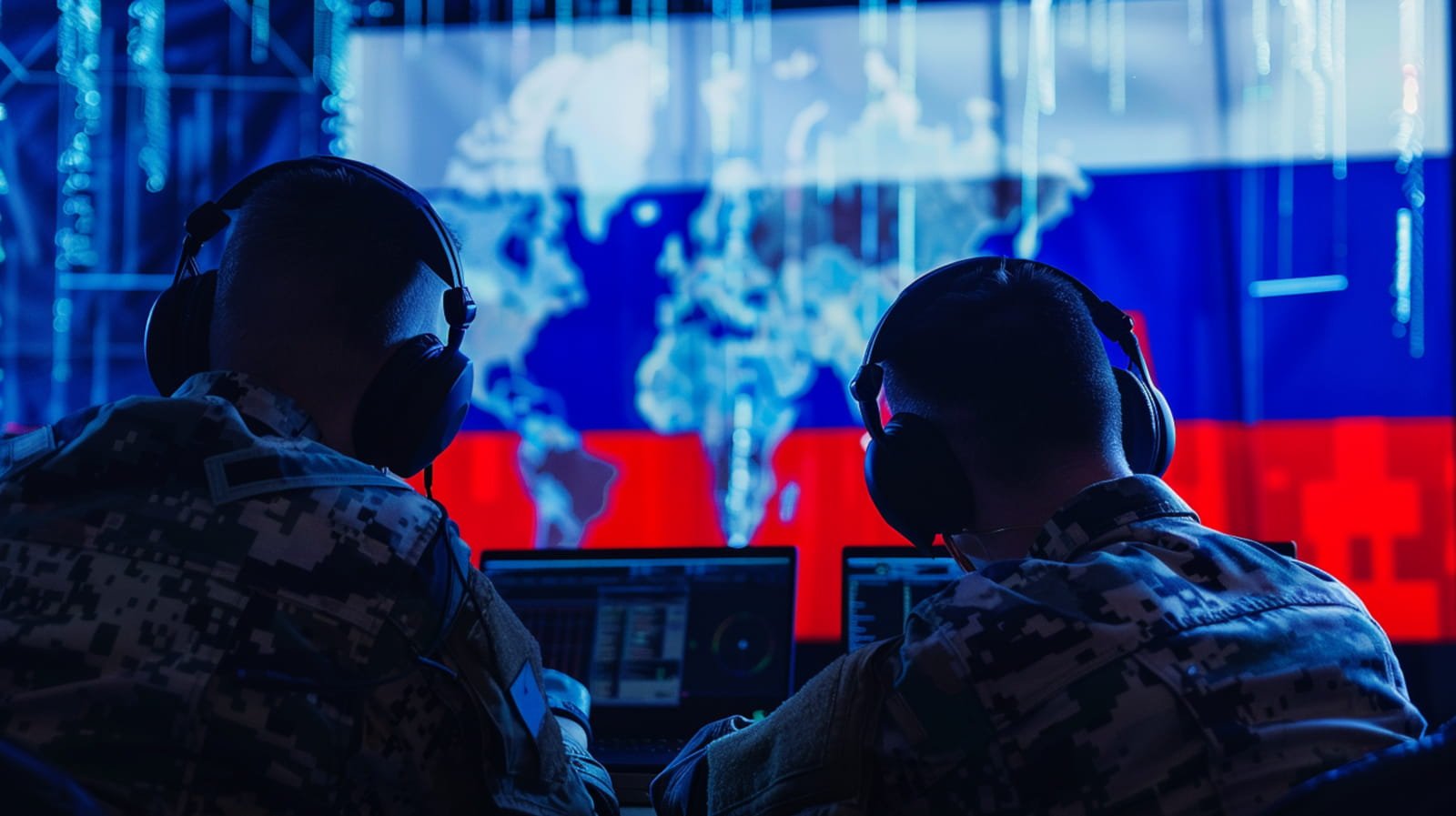
Russian Hackers Exploit Hyper-V to Conceal Malware in Linux VMs
A cyber-espionage group known as Curly COMrades has been identified for leveraging Microsoft Hyper-V within Windows systems to elude endpoint detection and response solutions. Their tactic involves creating a covert Alpine Linux-based virtual machine to execute malicious activities undetected.
Within this virtual environment, the threat actors deployed their proprietary tools, namely the CurlyShell reverse shell and the CurlCat reverse proxy, facilitating surreptitious operations and communication.
Curly COMrades, believed to have been active since mid-2024, is closely associated with Russian geopolitical interests.
Previous investigations by Bitdefender have exposed Curly COMrades’ operations targeting government and judicial entities in Georgia, as well as energy companies in Moldova.
In collaboration with the Georgian CERT, the Romanian cybersecurity firm uncovered further details about the group’s recent activities.
Researchers discovered that in early July, the threat actors gained remote access to two machines, enabling Hyper-V and disabling its management interface.
Hyper-V, an integral part of Microsoft’s technology stack, offers hardware virtualization capabilities in Windows and Windows Server operating systems, allowing users to run virtual machines.
By activating the Hyper-V role on selected systems, the hackers deployed a minimalist Alpine Linux-based virtual machine. This hidden environment hosted their custom reverse shell, CurlyShell, and a reverse proxy, CurlCat.

Source: Bitdefender
Operating within a virtual machine allowed the hackers to circumvent traditional host-based EDR detections, which lacked network inspection capabilities to identify command and control traffic.
Although the use of virtualization for evasion is not novel, the fragmented security tool coverage makes it a potent strategy in networks with inadequate protection layers.
In their attacks, Curly COMrades utilized the name ‘WSL’ for the VM, referencing the Windows Subsystem for Linux, to avoid detection.
The Alpine Linux VM configured in Hyper-V used the Default Switch network adapter, directing all traffic through the host’s network stack.
The two custom implants deployed in the VM, CurlyShell and CurlCat, are ELF binaries based on libcurl, facilitating command execution and traffic tunneling.
During the investigation, researchers also uncovered the group’s use of two PowerShell scripts for persistence and remote system access.
These sophisticated attacks by Curly COMrades emphasize stealth and operational security, with encrypted payloads and PowerShell abuse minimizing forensic traces.
Based on their findings, Bitdefender recommends organizations monitor for abnormal Hyper-V activation, LSASS access, or PowerShell scripts deployed via Group Policy.

Empower your team with secure development practices and secrets management strategies. Download our comprehensive guide today.
Get the cheat sheet and enhance your cybersecurity protocols.












Troubleshooting HDMI Audio: Essential Fixes & More Tips

Unveiling the Powerhouse: Mercedes-AMG GT Black Series with Dynamic Aero System Spotted at Nurburgring

iPhone 12 Pro Max Unboxing & Review!

European Commission Launches Investigation into Amazon Cloud Account Breach

Drama and Dollars: The Evolution of Soap Opera-TikTok Hybrids

Maximizing MacBook Battery Life: Tips for Charging Slowly and Setting Charge Limits

Lost Legacy: The Disappearance of AC Schnitzer and the Changing Automotive Landscape

Cyber Warfare: The Battlefront of the Digital Age

Monster Hunter Stories 3: The Challenge of Twisted Reflection

EU Takes Action Against Instagram and Facebook for Violating Illegal Content Rules

Warning: Facebook Creators Face Monetization Loss for Stealing and Reposting Videos

Facebook Compliance: ICE-tracking Page Removed After US Government Intervention

Facebook’s New Look: A Blend of Instagram’s Style

Facebook and Instagram to Reduce Personalized Ads for European Users

InstaDub: Meta’s AI Translation Tool for Instagram Videos

Reclaim Your Account: Facebook and Instagram Launch New Hub for Account Recovery

Meta discontinues Messenger apps for Windows and macOS

Breaking Updates: Meta Connect 2025 Unveils Latest Developments
iPhone 12 Pro Max Unboxing & Review!

iPhone 12 Pro Max vs Samsung Note 20 Ultra / Huawei Mate 40 Pro Camera Test Comparison.

iPhone 12 Pro Max vs Samsung Note 20 Ultra / Huawei / Xiaomi / OnePlus Battery Life DRAIN Test.

The BEST Smartphone of 2020 🏆

The Self-Healing Smartphones!

Apple is not what it used to be.

Smartphones are Boring now.

The Fastest Android Phone Ever.

Unboxing the $122,000 Smartphone. 🤯
-
 Facebook5 months ago
EU Takes Action Against Instagram and Facebook for Violating Illegal Content Rules
-
 Facebook6 months ago
Warning: Facebook Creators Face Monetization Loss for Stealing and Reposting Videos
-
 Facebook6 months ago
Facebook Compliance: ICE-tracking Page Removed After US Government Intervention
-
 Facebook4 months ago
Facebook’s New Look: A Blend of Instagram’s Style
-
 Facebook4 months ago
Facebook and Instagram to Reduce Personalized Ads for European Users
-
 Facebook6 months ago
InstaDub: Meta’s AI Translation Tool for Instagram Videos
-
 Facebook4 months ago
Reclaim Your Account: Facebook and Instagram Launch New Hub for Account Recovery
-
 Apple5 months ago
Meta discontinues Messenger apps for Windows and macOS
