
Tech News
Creating a Comprehensive Logistics App: A Step-by-Step Guide

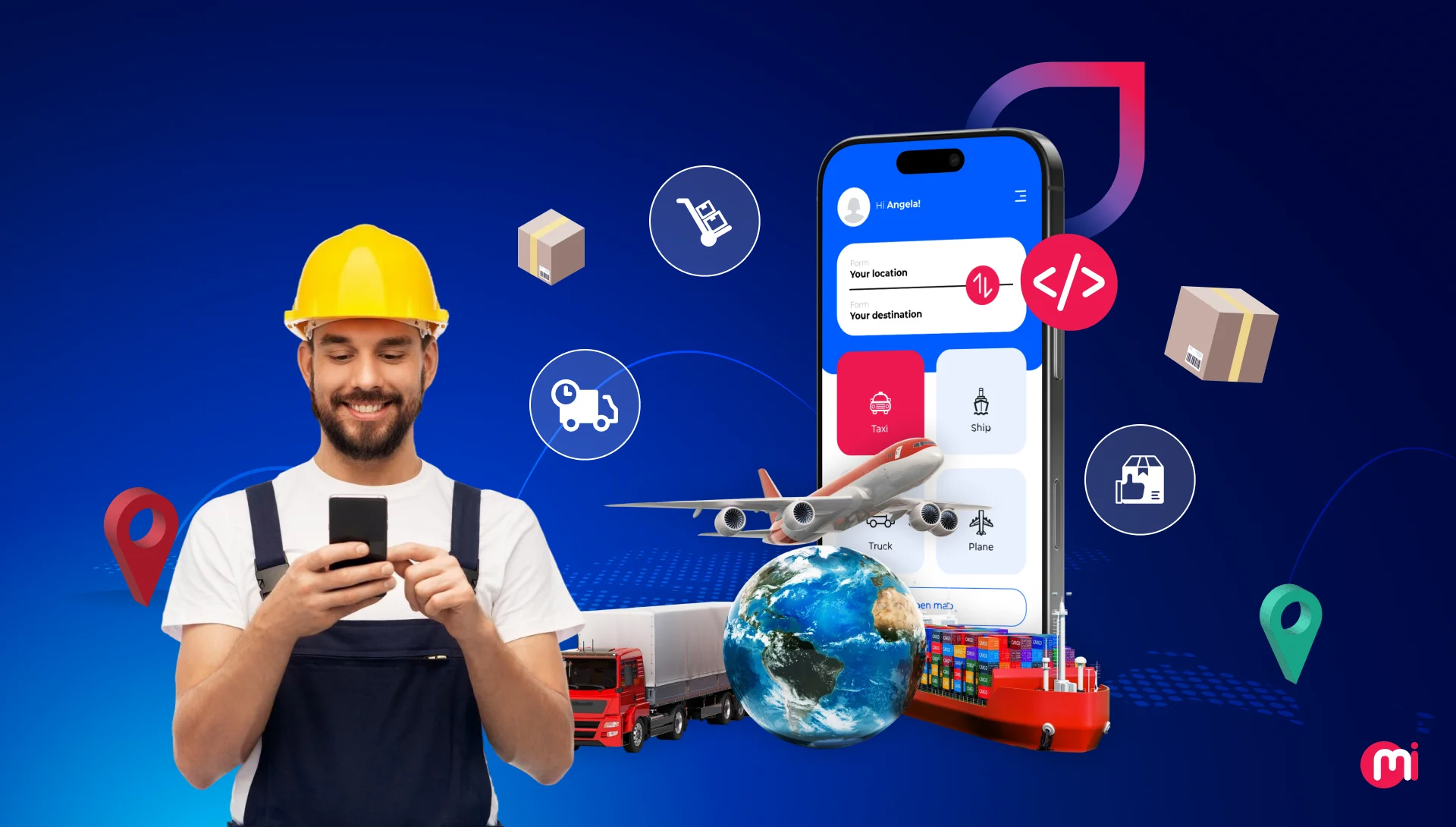
Logistics App Development: A Comprehensive Guide
In today’s fast-paced world, the logistics and transport industry has seen significant advancements due to rapid technological progress. Many businesses are now opting to utilize logistics apps to simplify their daily operations. In this article, we will explore everything you need to know about logistics app development.
Imagine one of your loaded vehicles getting stuck somewhere, causing delays in reaching the warehouse. Sounds like a nightmare, right? Thanks to technological advancements, tasks that were once manual can now be done with a simple click using logistics apps. The transportation and logistics sector is expected to reach USD 20.74 trillion by 2034, showcasing the sector’s growth and potential.
Logistics apps offer numerous benefits, such as maximizing workflow efficiency, expanding businesses, minimizing costs, and optimizing routes. By partnering with a leading logistics software development company, businesses can leverage these benefits and enhance their operations.
Developing logistics applications for web and mobile devices can significantly improve workflow efficiency, leading to business expansion and increased productivity. Let’s delve into the essentials of transport and logistics app development.
Key Takeaways
- Logistic apps streamline the movement of products for businesses.
- There are different types of logistic apps catering to various business needs.
- Key features of logistic apps include push notifications, reporting, multifactor authentication, and geolocation.
- Logistic apps offer benefits like improved productivity, mobility, two-way information exchange, process automation, and revenue growth.
- The logistics app development process includes application discovery, MVP development, UI/UX designing, application development, testing, and maintenance.
What is a Logistic App?
A logistics app is a software application that enables businesses to manage and optimize the movement of goods, from inventory and order processing to transportation and delivery. These apps streamline supply chain operations, enhance operational efficiency, and provide real-time visibility to all parties involved.
Logistics apps provide real-time updates on shipments, assisting the retail industry in efficiently managing daily operations and enhancing productivity.
Different Types of Logistic Applications
Various types of logistic applications cater to specific business requirements:
1. Fleet Management
Fleet management apps record and manage data related to fleets and vehicles, helping businesses organize and coordinate their operations efficiently.
2. On-Demand Courier Delivery
On-demand courier apps facilitate instant bookings, same-day deliveries, and automated routing, benefiting businesses and individual customers.
3. Supply Chain Management
Supply chain management apps streamline business supply chains, enhancing inventory handling and daily operations processes.
4. Driver Management
Driver management apps track drivers, monitor goods, optimize routes, and provide operational tools for efficient logistics operations.
5. Warehouse Management
Warehouse management apps store product data, track inventory, manage orders, and improve efficiency by digitizing operations.
6. Delivery Management
Delivery management apps provide a centralized infrastructure for logistics personnel to monitor orders, track deliveries, and ensure seamless transport of goods.
Must-Have Features for Logistic App Development
1. Push Notifications
Push notifications keep users informed about shipment and delivery status, providing valuable updates through mobile or web devices.
2. Reporting
Reporting features allow managers to generate data-driven reports, aiding in smarter decision-making and workload management.
3. Multifactor Authentication
Multifactor authentication enhances app security, requiring users to provide multiple verification methods for access, ensuring data protection and fraud prevention.
4. Geolocation
Geolocation features enable real-time tracking of shipments, driver locations, and routes, enhancing user experience and operational efficiency.
Key Benefits of Logistic App Development
1. Better Productivity
Logistics apps improve transportation workflows, save time, and boost productivity, leading to increased operational efficiency.
2. Mobility
Logistics apps provide mobility, allowing access from anywhere with an internet connection, enhancing operational flexibility.
3. Two-way Information Exchange
Logistics apps facilitate seamless communication and information exchange between businesses and consumers, improving customer experience.
4. Process Automation
Process automation in logistics apps optimizes workflows, enhances efficiency, and reduces manual effort, contributing to overall operational improvement.
5. Revenue Growth
Logistics apps help attract more customers, increase recurring clients, and contribute to revenue growth by streamlining operations and enhancing customer experience.
Step-by-Step Process of Logistic App Development
Step 1: Application Discovery
Precisely define project objectives, conduct due diligence, and understand development specifications to lay a solid foundation for app development.
Step 2: MVP Development
Create a Minimum Viable Product (MVP) to validate the app idea in the market, test user feedback, and save time and resources in the development process.
Step 3: UI/UX Designing
Focus on intuitive and user-friendly UI/UX design to enhance user experience, navigation, and app accessibility, making the app more engaging and approachable.
Step 4: Application Development
Develop the backend infrastructure, integrate APIs, and build core modules like order management and fleet tracking, focusing on performance optimization for seamless functionality.
Step 5: Application Deployment, Testing, and Maintenance
Launch the app on various platforms, monitor performance, address user feedback, and roll out updates to improve functionality and adapt to evolving business needs.
Challenges in Logistics App Development
1. Choosing the Right Technology Stack
Selecting the appropriate technology stack is crucial for scalability, efficiency, and performance of logistics apps. Partnering with an experienced development company can help navigate this challenge.
2. Understanding the Project Requirements
Comprehending project requirements is essential for successful app development. Seek guidance from experts to gain a comprehensive understanding of your project goals and needs.
Key Trends in Logistics App Development
1. Artificial Intelligence and Machine Learning
Machine learning and AI analytics optimize delivery routes, predict demand fluctuations, automate warehouse management, and reduce costs, enhancing operational efficiency and customer satisfaction.
2. Blockchain
Blockchain technology enhances supply chain transparency, secures transactions, automates payments, and strengthens cybersecurity in logistics operations.
3. Internet of Things (IoT)
IoT-powered sensors track shipments, monitor vehicle health, ensure proper storage conditions, and enhance fuel efficiency, reducing maintenance costs and improving operational efficiency.
Cost of Developing a Logistic App Development
The cost of developing a logistics app ranges from $45,000 to $250,000, depending on complexity, features, platform, technology stack, and development team size. Factors influencing cost include backend and frontend development, app functionality, complexity, and choice of platform.
How can MindInventory help you with Logistics App Development
MindInventory, as a leading logistics development company, streamlines the software development process to give businesses a competitive edge. With a team of industry experts, they can help businesses enhance their operations and improve customer experience. Partner with MindInventory to embark on your app development journey.
FAQs on Logistics App Development
How long does it take to build a logistics app? The development time for a logistics app varies from 3-9 months or more, depending on complexity and features.
What technology stack should be used for logistic app development? Recommended technologies include Flutter, Kotlin, Swift, React Native for frontend; Ruby on Rails, Node.js, Django for backend; and MySQL, PostgreSQL, MongoDB for the database, among others.












Unleashing the Beast: The 2027 Mercedes-AMG GT Black Series

15 Smartphone FAILS to ruin your day 😂

Data Breach at Mazda: Employee and Partner Information Exposed

City of Legends: Wartales Expansion – Choose Your Fate

Xiaomi 17 vs 17 Ultra Comparison: Why You Should Consider the Standard Model

Insight Partners Investigates ‘Fake Compliance’ Allegations, Delays Demos and Scrubs Investment Plans

Wuthering Heights: A Tale of Love and Loss Streaming Now

The Evolution of Apple’s AirPods Max: Unveiling the AirPods Max 2

German Court Rules Against DUH in Climate Lawsuit Against BMW and Mercedes

EU Takes Action Against Instagram and Facebook for Violating Illegal Content Rules

Warning: Facebook Creators Face Monetization Loss for Stealing and Reposting Videos

Facebook Compliance: ICE-tracking Page Removed After US Government Intervention

Facebook’s New Look: A Blend of Instagram’s Style

Facebook and Instagram to Reduce Personalized Ads for European Users

InstaDub: Meta’s AI Translation Tool for Instagram Videos

Reclaim Your Account: Facebook and Instagram Launch New Hub for Account Recovery

Meta discontinues Messenger apps for Windows and macOS

Breaking Updates: Meta Connect 2025 Unveils Latest Developments
15 Smartphone FAILS to ruin your day 😂

World’s Biggest Smartphone Collection?

I switched to iPhone – This is what I found out.

What happened to Beats by Dre?

DON’T buy a Screen Protector before watching this.

Beware of Fake Reviewers! ⚠️

Xiaomi Mi 11 Unboxing & Review.

The Galaxy S21 Ultra is Better than you think.

Samsung Galaxy S21 Ultra vs iPhone 12 Pro Max Camera Test Comparison.
-
 Facebook5 months ago
EU Takes Action Against Instagram and Facebook for Violating Illegal Content Rules
-
 Facebook5 months ago
Warning: Facebook Creators Face Monetization Loss for Stealing and Reposting Videos
-
 Facebook5 months ago
Facebook Compliance: ICE-tracking Page Removed After US Government Intervention
-
 Facebook3 months ago
Facebook’s New Look: A Blend of Instagram’s Style
-
 Facebook4 months ago
Facebook and Instagram to Reduce Personalized Ads for European Users
-
 Facebook5 months ago
InstaDub: Meta’s AI Translation Tool for Instagram Videos
-
 Facebook4 months ago
Reclaim Your Account: Facebook and Instagram Launch New Hub for Account Recovery
-
 Apple5 months ago
Meta discontinues Messenger apps for Windows and macOS
