
Inovation
Driving Innovation: Livermore Computing’s HPC Acceleration

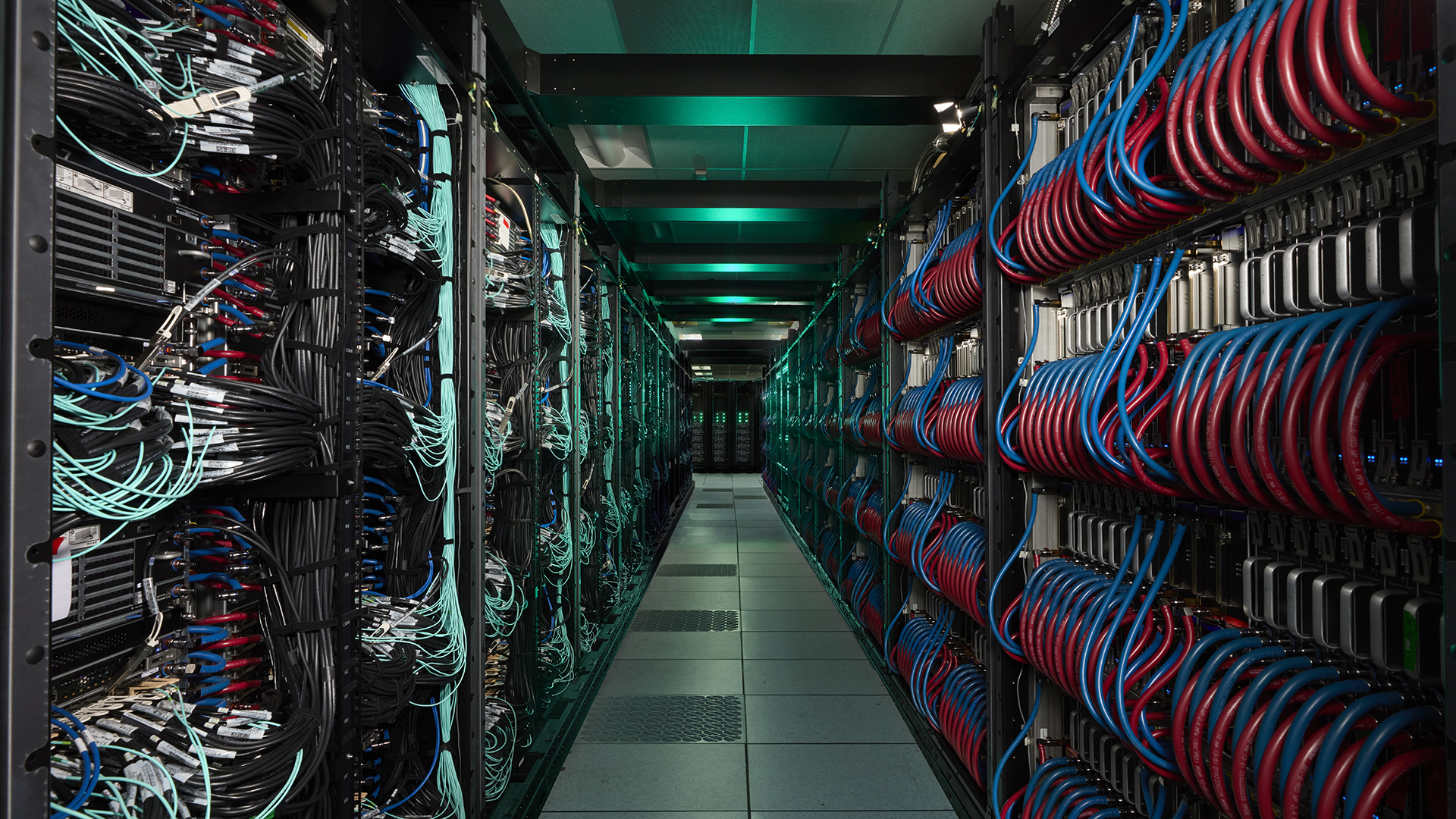
Exploring High-Performance Computing at Lawrence Livermore National Laboratory
High-performance computing (HPC) is revolutionizing the way we approach scientific research and innovation. At Lawrence Livermore National Laboratory (LLNL), Deputy for High Performance Computing Judy Hill provides insights into the Livermore Computing high-performance computing center and the groundbreaking work being conducted there.
Recognized as a top priority in the United States, HPC plays a crucial role in advancing energy efficiency, reducing emissions, enhancing competitiveness, and solidifying the country’s position as a global technology leader. At DOE facilities like LLNL, HPC has emerged as a key pillar of research, standing alongside theory and experiment as an equal partner.
Livermore Computing, LLNL’s premier HPC center, offers cutting-edge systems, tools, and expertise to drive the progress of HPC capabilities. The center is dedicated to three primary missions:
In a conversation with The Innovation Platform, Judy Hill delves into the significant contributions of LLNL to the HPC landscape in the US and globally. With a rich history dating back to its founding in 1953, LLNL has been a trailblazer in the field of HPC, with computing at the core of its mission.
One of the standout achievements at LLNL is the recent launch of El Capitan, the world’s fastest benchmarked supercomputer, boasting nearly two exaFLOPs of computing power. This milestone follows the success of previous systems like Sierra and Lassen, which have been instrumental in a wide range of applications, from weapons simulations to materials science and AI research.
Collaborating closely with industry leaders such as HPE, AMD, NVIDIA, and Intel, LLNL engages in co-design partnerships to tailor supercomputing systems to meet specific application needs. For instance, the AMD MI300As in El Capitan are designed to integrate CPU and GPU capabilities for enhanced performance without compromising efficiency.
Furthermore, LLNL’s commitment to open-source software development has resulted in the release of numerous projects on GitHub that benefit the broader HPC community. Tools like Spack for package management and Flux for workload management have become integral components of the HPC ecosystem, showcasing LLNL’s dedication to knowledge sharing and collaboration.
Looking ahead, Livermore Computing is focused on addressing both immediate operational challenges and long-term strategic initiatives. With the recent deployment of El Capitan, the center’s primary goal is to optimize performance and enable users to maximize the system’s capabilities. This entails fine-tuning application codes, developing efficient memory models, and ensuring system reliability.
Another key focus for Livermore Computing is the integration of AI and machine learning capabilities into HPC workflows. As part of the Department of Energy’s Genesis Mission, LLNL is leveraging AI to enhance application development for El Capitan and other systems. By harnessing machine-learned models, LLNL is accelerating physics simulations, developing surrogate models, and applying AI to data analysis, underscoring the center’s commitment to cutting-edge innovation.
Looking towards the future, Livermore Computing envisions a transformation in scientific computing and HPC, where users will interact with HPC environments in a manner akin to cloud computing. By collaborating with technology vendors on next-generation memory subsystems and interconnects, LLNL is paving the way for future advancements in supercomputing architectures. The center is actively exploring the convergence of cloud methodologies with the HPC ecosystem, aiming to create a more user-friendly and efficient computing experience.

However, the HPC landscape is not without its challenges. The rapid evolution of AI and machine learning poses both opportunities and threats to traditional HPC. While AI techniques can enhance modeling and simulation, the significant commercial focus on AI may divert resources from traditional HPC needs. LLNL is exploring ways to adapt to this changing landscape by embracing mixed-precision algorithms and fostering collaboration between HPC and AI initiatives.
Additionally, the integration of cloud computing with traditional HPC presents its own set of challenges. While cloud computing offers numerous advantages, aligning it with traditional HPC workflows requires careful consideration of economic, cultural, and workflow factors. LLNL envisions a hybrid model that combines on-premises infrastructure with cloud-like capabilities to provide a seamless computing experience for users.
Another critical aspect facing the HPC community is the shortage of skilled professionals with expertise in advanced programming models, AI/ML, and emerging architectures. LLNL recognizes the importance of investing in education and training programs to cultivate the next generation of HPC professionals and address the growing demand for specialized skills.
LLNL’s HPC capabilities have led to significant discoveries and innovations across various scientific domains. From advancing stockpile modernization efforts to achieving fusion ignition milestones at the National Ignition Facility, LLNL’s HPC expertise has been instrumental in driving groundbreaking research and development.
During the COVID-19 pandemic, LLNL’s HPC resources played a crucial role in accelerating the discovery of potential antibody candidates for combating SARS-CoV-2. By leveraging AI and HPC workflows, researchers identified promising therapeutic designs, demonstrating the power of collaborative research in addressing global health challenges.
As LLNL continues to push the boundaries of HPC and drive innovation in scientific computing, the center remains committed to fostering collaboration, knowledge sharing, and education to shape the future of high-performance computing.
Please note, this article will also appear in the 25th edition of our quarterly publication.










BMW’s Spartanburg Plant: Driving America’s Auto Export Success in 2025

Driving Innovation: Livermore Computing’s HPC Acceleration

Breaking News: Microsoft Unveils ‘Project Helix’ as Next Generation Console

OpenClaw Security Suite: Protecting Your Data from Malware Threats

Barcelona Bliss: Experience the Upgraded Excellence Under New Management

Comparing Nothing Phone (4a) and (4a) Pro: Unraveling the Distinctions

Evervault Secures €21 Million to Revolutionize Encrypted Data Management

Get a $25 Gift Card with Preorders for Apple’s Vibrant MacBook Neo

Collaboration of Giants: Epic and Google Unite for Innovative ‘Metaverse’ Apps

EU Takes Action Against Instagram and Facebook for Violating Illegal Content Rules

Warning: Facebook Creators Face Monetization Loss for Stealing and Reposting Videos

Facebook Compliance: ICE-tracking Page Removed After US Government Intervention

InstaDub: Meta’s AI Translation Tool for Instagram Videos

Facebook’s New Look: A Blend of Instagram’s Style

Facebook and Instagram to Reduce Personalized Ads for European Users

Reclaim Your Account: Facebook and Instagram Launch New Hub for Account Recovery

Meta discontinues Messenger apps for Windows and macOS

Breaking Updates: Meta Connect 2025 Unveils Latest Developments

STOP Buying this Tech Scam.

Who has the WORST Customer Service?

How many Spy Cameras are Recording you right now?

Dear Apple.

22 NIGHTMARE Tech FAILS they want us to forget.

Do NOT buy the Freedom Phone!! 🤬

Nothing Ear 1 Review – The Problem with Hype.

Calyx OS – The next big Android Competitor!?

24 HOTTEST Inventions that will change your Life.
-
 Facebook4 months ago
EU Takes Action Against Instagram and Facebook for Violating Illegal Content Rules
-
 Facebook5 months ago
Warning: Facebook Creators Face Monetization Loss for Stealing and Reposting Videos
-
 Facebook5 months ago
Facebook Compliance: ICE-tracking Page Removed After US Government Intervention
-
 Facebook5 months ago
InstaDub: Meta’s AI Translation Tool for Instagram Videos
-
 Facebook3 months ago
Facebook’s New Look: A Blend of Instagram’s Style
-
 Facebook3 months ago
Facebook and Instagram to Reduce Personalized Ads for European Users
-
 Facebook3 months ago
Reclaim Your Account: Facebook and Instagram Launch New Hub for Account Recovery
-
 Apple5 months ago
Meta discontinues Messenger apps for Windows and macOS
