
Startups
Effective Corporate Crime Prevention Tactics for Startups

Key Strategies for Preventing Corporate Crime
- Implementing Comprehensive Compliance Programs
- Empowering Employees Through Training and Education
- Utilizing Whistleblower Protection Mechanisms
- Conducting Regular Audits and Monitoring
- Leveraging Technology for Fraud Detection
- Engaging with Regulatory Bodies
- Cultivating a Culture of Ethics
- Final Reflections on Corporate Crime Prevention
Corporate crime poses significant challenges to organizations globally, exposing them to legal, financial, and reputational risks. Preventing such misconduct is essential for safeguarding stakeholders and fostering transparency within the corporate environment. Seeking guidance from white-collar defense lawyers can assist companies in establishing strong compliance frameworks and managing regulatory risks effectively in high-stakes situations.
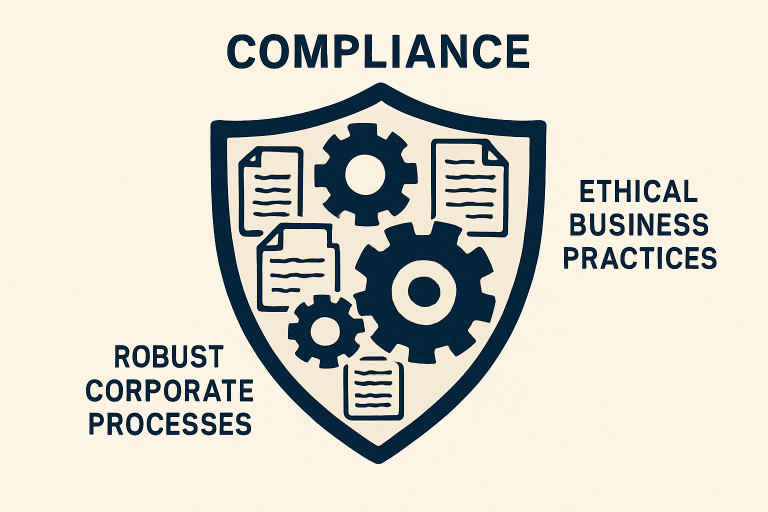
Preventing corporate crime goes beyond fulfilling legal obligations; it involves a dedication to ethical business practices that build trust among companies, employees, customers, and investors. By adopting a multifaceted approach that combines internal controls, employee engagement, and advanced technologies, organizations can create a robust defense against corporate misconduct while promoting a reputation for responsible corporate citizenship.
Vigilance, continuous education, and a cohesive strategy across all organizational levels are essential for safeguarding against white-collar crimes. Recent regulatory developments and global case studies highlight the importance of proactive crime prevention as an ongoing priority for organizations. Prioritizing prevention equips businesses to navigate evolving risks effectively while upholding principles of good governance.
Implementing Comprehensive Compliance Programs
Effective corporate crime prevention begins with the establishment of clear, actionable, and well-communicated compliance programs. These programs should be tailored to address industry-specific risks and organizational needs, incorporating defined policies and procedures. Successful compliance strategies typically include a code of conduct, conflict of interest policies, protocols for third-party interactions, and guidelines for handling sensitive information. When consistently enforced and updated to address emerging challenges, these frameworks serve as a deterrent to misconduct and lay the foundation for sustained integrity.
Empowering Employees Through Training and Education
Ongoing education empowers employees to recognize and resist unethical behavior. Through regular workshops, e-learning modules, and scenario-based training, staff at all levels can acquire practical skills for identifying fraud, bribery, insider trading, or other forms of misconduct. Training should not only focus on the “what” but also delve into the “why,” helping employees understand the detrimental effects of corporate crime on themselves, the organization, and society.
Utilizing Whistleblower Protection Mechanisms
Promoting the reporting of suspected violations without fear of reprisal is crucial. Anonymous hotlines, secure digital platforms, and anti-retaliation policies create a safe environment for whistleblowers to come forward. Governments worldwide, including the U.S. Department of Justice, have enhanced whistleblower programs by providing incentives and safeguards for individuals who expose corporate wrongdoing. Transparent communication about these mechanisms builds trust and facilitates early detection of fraud, bribery, financial irregularities, or ethical breaches.
Conducting Regular Audits and Monitoring
Routine internal audits and monitoring processes are essential for verifying compliance and identifying potential vulnerabilities. Scheduled and surprise audits, reconciliations, and control testing can uncover suspicious activities before they escalate. Third-party reviews offer an additional layer of objectivity and highlight weaknesses that internal teams may overlook. Continuous oversight and data analytics have become standard practices to ensure that controls remain effective and responsive to emerging threats.
Leveraging Technology for Fraud Detection
Technology plays a crucial role in fraud prevention efforts. Modern organizations are increasingly turning to artificial intelligence, machine learning, and big data analytics to identify anomalies in financial transactions and corporate records. Software can sift through vast datasets, identify patterns, and detect early warning signs of fraud or regulatory breaches. Research on machine learning in fraud prevention demonstrates the ability of these tools to catch issues in real-time, enabling swift responses and mitigation. However, technology is most effective when combined with a culture of compliance and ongoing human oversight.
Engaging with Regulatory Bodies
Proactive collaboration with regulatory authorities is essential for maintaining compliance, staying abreast of legislative changes, and accessing resources for preventing corporate crime. Open channels of communication between businesses and relevant agencies, such as the Securities and Exchange Commission or local anti-corruption bodies, streamline audits, resolve ambiguities, and promote the adoption of best practices. Participation in voluntary programs and industry initiatives showcases a commitment to ethical standards while potentially reducing enforcement risks.
Cultivating a Culture of Ethics
Organizational culture lies at the core of crime prevention. Leadership must exhibit ethical behavior through actions and strategic decisions, ensuring that values like honesty and accountability drive all operations. Clear communication, recognition of ethical conduct, and integration of moral considerations into everyday decision-making reinforce expectations. An authentic culture of ethics acts as a powerful deterrent to misconduct, motivating employees to speak up and uphold integrity even in challenging circumstances.
Final Reflections on Corporate Crime Prevention
Effective corporate crime prevention entails disciplined compliance programs, employee empowerment, robust whistleblower protections, technological advancements, regulatory engagement, and a culture of integrity that fosters a dynamic work environment. By prioritizing these strategies, businesses not only fulfill their legal responsibilities but also gain a competitive edge, maintain stakeholder trust, and contribute to a fairer marketplace for all.













Unveiling the Dark Secrets of VoidStealer: How the Malware Steals Chrome Master Key with a Clever Debugger Trick

AI Artistry: Unveiling the Mystery of Crimson Desert’s Suspiciously Generated Creations

Revolutionizing Coding: The Moonshot AI Kimi Integration with Cursor
![Apple pushing back on 'vibe coding' iPhone apps, developers say [U]](https://bennetttechinnovation.com/wp-content/uploads/2026/03/Apple-Stands-Firm-Against-Vibe-Coding-iPhone-Apps-Defying-Developers-80x80.jpg)
Apple Stands Firm Against ‘Vibe Coding’ iPhone Apps, Defying Developers

Secure APK Sideloading: Harnessing the Power of Advanced Flow for Safe Android Installation

Gunvolt Chronicles: Luminous Avenger iX – The Complete Dual Collection

K2 Launches Groundbreaking High-Powered Satellite for Advanced Space Computing

The End of Security: iOS 13 and 14 Vulnerabilities in 2026

Exclusive Look: The 2027 Chevrolet Corvette Grand Sport Unleashed at Sebring

EU Takes Action Against Instagram and Facebook for Violating Illegal Content Rules

Warning: Facebook Creators Face Monetization Loss for Stealing and Reposting Videos

Facebook Compliance: ICE-tracking Page Removed After US Government Intervention

Facebook’s New Look: A Blend of Instagram’s Style

Facebook and Instagram to Reduce Personalized Ads for European Users

InstaDub: Meta’s AI Translation Tool for Instagram Videos

Reclaim Your Account: Facebook and Instagram Launch New Hub for Account Recovery

Meta discontinues Messenger apps for Windows and macOS

Breaking Updates: Meta Connect 2025 Unveils Latest Developments

DON’T buy a Screen Protector before watching this.

Beware of Fake Reviewers! ⚠️

Xiaomi Mi 11 Unboxing & Review.

The Galaxy S21 Ultra is Better than you think.

Samsung Galaxy S21 Ultra vs iPhone 12 Pro Max Camera Test Comparison.

Samsung S21 Ultra vs iPhone Battery Life Test!

The Truth about Xiaomi “Air Charging”

DON’T buy this Smartphone.

Galaxy S21 Ultra – Exynos vs Snapdragon.
-
 Facebook5 months ago
EU Takes Action Against Instagram and Facebook for Violating Illegal Content Rules
-
 Facebook5 months ago
Warning: Facebook Creators Face Monetization Loss for Stealing and Reposting Videos
-
 Facebook5 months ago
Facebook Compliance: ICE-tracking Page Removed After US Government Intervention
-
 Facebook3 months ago
Facebook’s New Look: A Blend of Instagram’s Style
-
 Facebook3 months ago
Facebook and Instagram to Reduce Personalized Ads for European Users
-
 Facebook5 months ago
InstaDub: Meta’s AI Translation Tool for Instagram Videos
-
 Facebook4 months ago
Reclaim Your Account: Facebook and Instagram Launch New Hub for Account Recovery
-
 Apple5 months ago
Meta discontinues Messenger apps for Windows and macOS
