
Tech News
Efficiency Boost: Automating Financial Services for Speed and Intelligence

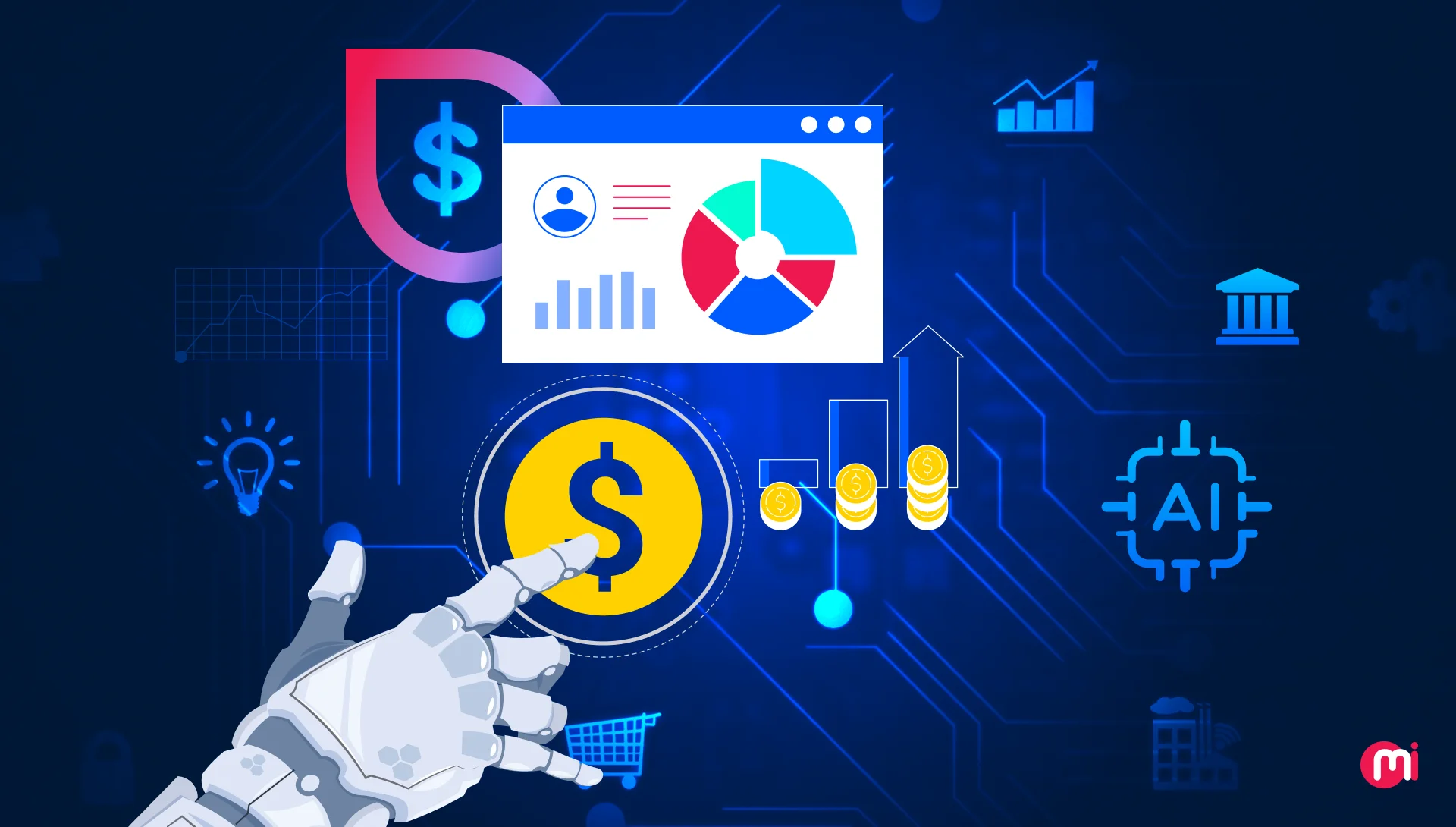
The Impact of AI in the Fintech Industry
AI in the fintech industry is revolutionizing financial operations, from fraud detection to personalized financial advice. Fintech companies like Stripe, PayPal, and Bank of America are leveraging AI to enhance security, improve efficiency, and provide better customer experiences.
AI-powered fintech solutions are transforming the industry with automation, real-time insights, and personalized services. Whether it’s fraud detection, credit scoring, algorithmic trading, or customer service, AI is reshaping the way financial institutions operate.

This blog explores the role of AI in fintech, the major use cases, benefits, real-world examples, challenges, and the future of AI-driven finance. It aims to provide insights into how fintech solutions are transforming financial institutions and empowering businesses to meet their unique needs.
Key Takeaways
- AI in fintech is utilized for fraud detection, credit scoring, algorithmic trading, and customer support.
- Financial institutions benefit from greater efficiency, enhanced security, improved customer experience, and reduced costs with AI.
- Companies like Stripe and PayPal demonstrate the tangible business results delivered by AI.
- Challenges such as ethical concerns, regulatory compliance, and data quality will continue to impact the future of AI in fintech.
- The future of fintech will focus on autonomous finance, hyper-personalization, embedded services, and AI-driven open banking.
Exploring the Role of AI in Fintech
AI in fintech involves the use of technologies like machine learning, deep learning, and natural language processing to automate and enhance financial services. From fraud detection to credit scoring, AI applications in finance aim to boost security, efficiency, and customer experience.
AI enables financial institutions to deliver faster, smarter, and more personalized experiences tailored to the specific needs of customers. It streamlines processes, speeds up operations, and improves decision-making without human intervention.
The Growth of Artificial Intelligence in the Fintech Market
According to Industry Research, the global AI in fintech market size is projected to reach $41.16 billion by 2030, growing at a compound annual growth rate of 16.5% from 2022 to 2030. North America leads the market, with Asia Pacific expected to register the fastest growth.
The solution segment dominates the market, accounting for a significant share of global revenue. AI in fintech is poised to drive innovation and growth in the financial sector, offering new opportunities for efficiency and customer service.

The Significance of AI in the Fintech Industry
The adoption of AI in fintech is driven by the growth of digital transactions, cybersecurity threats, and customer expectations. AI streamlines financial processes, improves efficiency, strengthens security, and provides customers with personalized solutions for a better experience.
Financial institutions that implement AI solutions gain a competitive edge by automating operations, enhancing customer engagement, and optimizing decision-making. AI-powered chatbots, virtual assistants, and personalized recommendations improve customer satisfaction and make financial services more accessible.
Exploring the Use Cases of AI in Fintech
AI applications in fintech cover a wide range of areas, from fraud detection to personal finance management. The use cases include:
1. Fraud Detection
AI in fintech analyzes transactions in real-time to detect anomalies and prevent fraudulent activity, reducing financial losses.
2. Credit Scoring and Lending
AI-driven models assess creditworthiness using various data points, enabling faster and more accurate lending decisions.
3. Algorithmic Trading
AI algorithms analyze data to optimize trading decisions and reduce risk based on data-driven insights.
4. Customer Service
AI-powered chatbots and virtual assistants provide 24/7 support and personalized financial guidance using natural language processing.
5. Personal Finance Management
AI-enabled tools analyze spending habits and financial goals to provide tailored budgeting advice and investment strategies.
6. Risk & Compliance Management
AI helps identify and mitigate risks, automate compliance monitoring, and ensure adherence to regulations.
7. Intelligent Document Processing
AI automates data extraction and processing from documents, reducing manual labor and processing times for tasks like KYC procedures.
8. Process Automation
AI systems automate manual tasks such as invoice processing, expense management, and financial reporting, increasing efficiency and reducing errors.
The Benefits of AI in Fintech
AI in fintech offers several benefits, including operational efficiency, personalized solutions, accuracy in services, strong risk management, customer support, cost savings, and more. These benefits transform financial services and improve both operational and customer-facing aspects.

1. Operational Efficiency
AI enhances operational efficiency by automating manual tasks and enabling faster and more accurate operations.
2. Personalization at Scale
AI algorithms analyze user behavior to offer personalized financial products and services tailored to individual needs.
3. Improved Accuracy
AI ensures precision in decision-making processes by eliminating human error and processing data accurately.
4. Robust Risk Management
AI helps identify and mitigate risks by analyzing data patterns and detecting fraudulent behavior, ensuring robust risk management.
5. Enhanced Customer Satisfaction
AI applications improve customer experience by providing faster responses and tailored solutions through chatbots and virtual assistants.
6. Faster Decision-Making
AI streamlines financial processes and decision-making by providing automated insights and data processing.
7. Real-Time Analysis
AI enables real-time insights into market trends, financial risks, and customer activity, facilitating informed decision-making.
8. Greater Financial Inclusion
AI-driven solutions enable credit scoring using alternative data sources, improving financial inclusion for individuals with limited credit history.
9. Enhanced Security
AI strengthens financial security through authentication, fraud detection, and threat prediction, ensuring safe financial experiences.
10. Cost Savings
AI reduces operational expenses, fraud losses, and compliance risks, resulting in significant cost savings for financial institutions.
AI in Action: Real-World Examples of AI in Fintech
Real-world applications of AI in fintech include fraud detection by Stripe, risk management by PayPal, and virtual assistants like Bank of America’s Erica. These companies leverage AI to enhance security, prevent fraud, and deliver personalized financial experiences.
Stripe
Stripe uses AI to detect fraud, analyze transactions, and optimize payment approval rates, resulting in secure and efficient payment processing.
Using AI, Stripe reduces fraud by 38% on average and improves chargeback resolution with smart dispute management.
PayPal
PayPal integrates AI to analyze transaction data, prevent fraud, and deliver personalized experiences to customers, enhancing security and decision-making.
PayPal’s AI system analyzes over 500 data points per transaction and blocks $500 million in fraud quarterly.
Bank of America’s Erica
Erica, Bank of America’s AI-powered virtual assistant, offers proactive insights and personalized financial guidance to customers, enhancing satisfaction and accessibility.
Erica has assisted nearly 50 million users with over 3 billion interactions, averaging more than 58 million interactions per month.
Steps to Integrate AI Into Financial Operations
Integrating AI into financial operations involves defining objectives, assessing data readiness, building a skilled team, selecting the right technology, developing and testing models, monitoring performance, establishing ethical guidelines, and scaling the implementation.
A phased approach focusing on high-impact use cases is crucial for successful AI integration in financial operations. Organizations need to prioritize key steps to ensure seamless integration and adoption of AI solutions.
Challenges of AI in Fintech
While AI offers numerous benefits, its integration in fintech comes with challenges such as data quality, regulatory compliance, algorithmic bias, explainability, cybersecurity, talent shortage, legacy system integration, and customer trust. Overcoming these challenges is essential for successful AI implementation in fintech.
The Future of AI in Fintech
The future of AI in fintech will be characterized by autonomous financial agents, hyper-personalization, embedded finance, and AI-driven open banking ecosystems. These advancements will create a faster, more inclusive, and highly efficient financial ecosystem, transforming the way financial services are delivered.
The Shift Toward Hyper-Personalized Finance
The future of AI in fintech will deliver predictive cash flow, dynamic credit limits, personalized loan offers, and real-time investment advice, enhancing customer experiences.
Autonomous Finance and Self-Driving Money
The future will see AI making real-time investment decisions, automated financial planning, and optimized money management without user input, leading to more autonomous finance.
Growth of Embedded Finance with AI
The future will witness AI-driven underwriting, smart credit offerings, and real-time risk scoring during checkout, simplifying customer experiences and streamlining financial services.
AI-Driven Open Banking Ecosystems
The future of AI in fintech will foster AI-driven data-sharing partnerships, personalized multi-bank services, and AI-built financial profiles, enhancing open banking ecosystems and customer experiences.

MindInventory: Empowering Future-Ready Fintech Software Development
MindInventory is a leading software development company that specializes in AI development services for fintech. With expertise in AI, machine learning, data analytics, and cloud technologies, MindInventory helps financial institutions build intelligent, secure, and scalable software products.
By leveraging AI-powered solutions, MindInventory enables businesses to automate operations, enhance customer engagement, optimize decision-making, and stay compliant with regulatory standards. With a track record of success in fintech software development, MindInventory delivers tailor-made solutions that drive success in the evolving fintech landscape.
FAQs on AI in FinTech
No. AI is transforming fintech, enhancing efficiency, accuracy, and customer experience.
AI strengthens security through fraud detection, authentication, and continuous monitoring, but robust cybersecurity measures are essential for enhanced security.












Cyber Warfare: The Battlefront of the Digital Age

Monster Hunter Stories 3: The Challenge of Twisted Reflection

Revolutionizing Cash-Pay Clinic Prescribing: VITL Secures $7.5M Amid GLP-1 Boom

Balancing Act: The Decision to Shut Down Sora

Exclusive Arrival: Cupra Born VZ Lands in Australia – But There’s a Twist!

iPhone 12 Pro Max vs Samsung Note 20 Ultra / Huawei Mate 40 Pro Camera Test Comparison.

ClickFix: The New Threat to macOS Security

Kingdom Come: Deliverance 2 – The Rise of Artificial Intelligence

Elon Musk’s Latest Venture Faces Uncertainty as Last Co-Founder Departs xAI

EU Takes Action Against Instagram and Facebook for Violating Illegal Content Rules

Warning: Facebook Creators Face Monetization Loss for Stealing and Reposting Videos

Facebook Compliance: ICE-tracking Page Removed After US Government Intervention

Facebook’s New Look: A Blend of Instagram’s Style

Facebook and Instagram to Reduce Personalized Ads for European Users

InstaDub: Meta’s AI Translation Tool for Instagram Videos

Reclaim Your Account: Facebook and Instagram Launch New Hub for Account Recovery

Meta discontinues Messenger apps for Windows and macOS

Breaking Updates: Meta Connect 2025 Unveils Latest Developments
iPhone 12 Pro Max vs Samsung Note 20 Ultra / Huawei Mate 40 Pro Camera Test Comparison.

iPhone 12 Pro Max vs Samsung Note 20 Ultra / Huawei / Xiaomi / OnePlus Battery Life DRAIN Test.

The BEST Smartphone of 2020 🏆

The Self-Healing Smartphones!

Apple is not what it used to be.

Smartphones are Boring now.

The Fastest Android Phone Ever.

Unboxing the $122,000 Smartphone. 🤯

Are Linux Smartphones about to KILL Android?
-
 Facebook5 months ago
EU Takes Action Against Instagram and Facebook for Violating Illegal Content Rules
-
 Facebook5 months ago
Warning: Facebook Creators Face Monetization Loss for Stealing and Reposting Videos
-
 Facebook5 months ago
Facebook Compliance: ICE-tracking Page Removed After US Government Intervention
-
 Facebook4 months ago
Facebook’s New Look: A Blend of Instagram’s Style
-
 Facebook4 months ago
Facebook and Instagram to Reduce Personalized Ads for European Users
-
 Facebook6 months ago
InstaDub: Meta’s AI Translation Tool for Instagram Videos
-
 Facebook4 months ago
Reclaim Your Account: Facebook and Instagram Launch New Hub for Account Recovery
-
 Apple5 months ago
Meta discontinues Messenger apps for Windows and macOS
