
Exploring the Power of Android XR: Unleashing the Potential of Apps

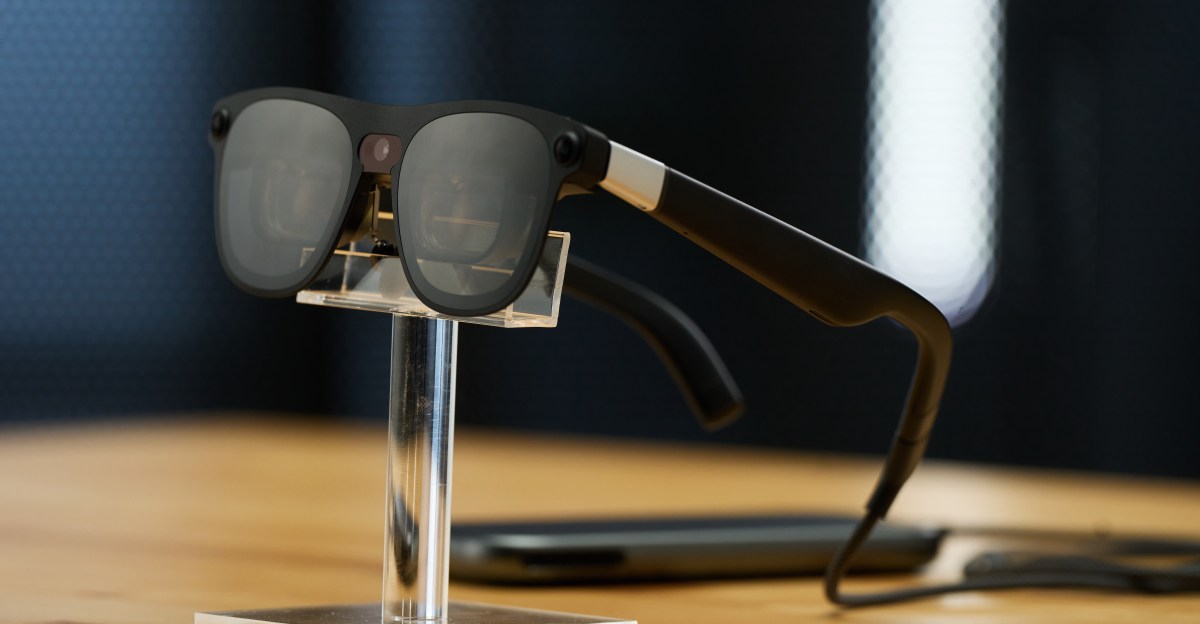
Project Aura, a collaboration between Xreal and Google, was unveiled at Google I/O and is set to launch in 2026. This innovative device is the second Android XR device, following Samsung’s Galaxy XR headset. Upon trying on the Project Aura, it became evident that the term “smart glasses” may not accurately describe it.
The device, resembling a pair of bulky sunglasses with a cord leading to a battery pack that doubles as a trackpad, blurs the line between a headset and smart glasses. Google representatives refer to it as a headset disguised as glasses, coining the term “wired XR glasses” for this unique hybrid.
The functionality of Project Aura allows users to wirelessly connect to a laptop and create a virtual desktop with a 70-degree field of view. Tasks such as launching Lightroom, opening YouTube, and playing 3D tabletop games are seamlessly integrated into the device. The experience is akin to using a Galaxy XR, providing a view of apps in the foreground and the surroundings simultaneously.
Interestingly, all the apps, features, and experiences on Project Aura were originally developed for the Galaxy XR, indicating compatibility and a streamlined user experience. This is a significant advantage as XR devices often face challenges with app availability and developer support.
Google’s approach with Android XR addresses the app problem by allowing smaller players like Xreal to access apps developed for Samsung’s headset. This collaborative ecosystem fosters innovation and competition, benefiting both developers and users.
The seamless integration of Android apps with Project Aura and upcoming AI glasses from other manufacturers like Warby Parker and Gentle Monster highlights the versatility and compatibility of the Android XR platform. This interoperability eliminates fragmentation and encourages a diverse range of developers to create apps for various XR devices.
Xreal CEO Chi Xu highlights the importance of ecosystem support, praising Google as the only viable option for smaller companies. By leveraging the existing Android ecosystem, Google aims to create a unified platform for XR devices, promoting innovation and collaboration among developers.
The emphasis on privacy and security features in Project Aura is evident, with clear indications when the camera is active and stringent permissions for sensor access. Google’s commitment to user privacy and data security is a crucial aspect of the device’s design.
In conclusion, Google’s strategic approach with Android XR demonstrates a forward-thinking vision for the future of wearable technology. By prioritizing collaboration, ecosystem support, and user privacy, Project Aura sets a new standard for XR devices. As the device prepares for its 2026 launch, it holds the potential to reshape the wearable tech landscape.













Critical Flaw in Smart Slider Plugin Puts 500K WordPress Sites at Risk

Exclusive Deal: PS5 Pro Price Jumping to £789 Next Week!

Lunar Love: How Watch Club Aims to Dominate the Werewolf Romance Market

Revolutionizing Technology: How the Macintosh Forever Transformed the World of Computers

Tech Savvy Heroes: AirTag Child Rescue, DarkSword Hack, and More Adventures

Chinese Brand’s Newest Small Electric Hatch Sets Safety Standard with Anticipated Five-Star Rating

The Unforeseen Lessons: A Microsoft VP’s Journey from India to the Age of AI

Cloudflare Evasion: How Phishing Targets TikTok Business Accounts Through Turnstile Tactics

The Unfair Boundaries of Genre: A Conversation with the Original Stalker Designer on Eurojank in International Games

EU Takes Action Against Instagram and Facebook for Violating Illegal Content Rules

Warning: Facebook Creators Face Monetization Loss for Stealing and Reposting Videos

Facebook Compliance: ICE-tracking Page Removed After US Government Intervention

Facebook’s New Look: A Blend of Instagram’s Style

Facebook and Instagram to Reduce Personalized Ads for European Users

InstaDub: Meta’s AI Translation Tool for Instagram Videos

Reclaim Your Account: Facebook and Instagram Launch New Hub for Account Recovery

Meta discontinues Messenger apps for Windows and macOS

Breaking Updates: Meta Connect 2025 Unveils Latest Developments

iPhone 12 Pro Max Unboxing & Review!

iPhone 12 Pro Max vs Samsung Note 20 Ultra / Huawei Mate 40 Pro Camera Test Comparison.

iPhone 12 Pro Max vs Samsung Note 20 Ultra / Huawei / Xiaomi / OnePlus Battery Life DRAIN Test.

The BEST Smartphone of 2020 🏆

The Self-Healing Smartphones!

Apple is not what it used to be.

Smartphones are Boring now.

The Fastest Android Phone Ever.

Unboxing the $122,000 Smartphone. 🤯
-
 Facebook5 months ago
EU Takes Action Against Instagram and Facebook for Violating Illegal Content Rules
-
 Facebook6 months ago
Warning: Facebook Creators Face Monetization Loss for Stealing and Reposting Videos
-
 Facebook6 months ago
Facebook Compliance: ICE-tracking Page Removed After US Government Intervention
-
 Facebook4 months ago
Facebook’s New Look: A Blend of Instagram’s Style
-
 Facebook4 months ago
Facebook and Instagram to Reduce Personalized Ads for European Users
-
 Facebook6 months ago
InstaDub: Meta’s AI Translation Tool for Instagram Videos
-
 Facebook4 months ago
Reclaim Your Account: Facebook and Instagram Launch New Hub for Account Recovery
-
 Apple5 months ago
Meta discontinues Messenger apps for Windows and macOS
