
Gemini Home Rollout: A Confusing Success

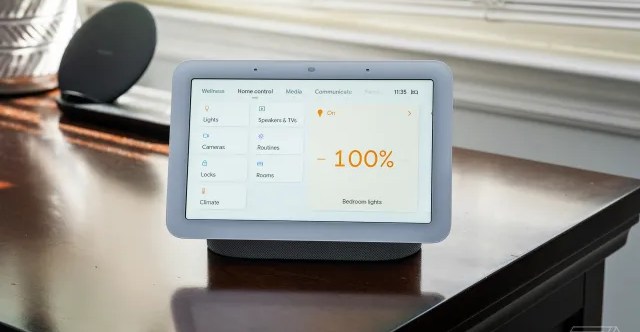
Google recently launched its new Gemini voice assistant for its smart speakers, and the company seems to be enthusiastic about its progress. In a blog post celebrating the occasion, Google quoted a user who expressed satisfaction with the upgrade, stating, “My Google Home just got upgraded with Gemini. It’s actually useful now beyond asking for today’s weather.” The subtle shade in this statement suggests some underlying issues.
However, upon delving into the post’s FAQ section, a different picture emerges. Two common queries from users of the new assistant include concerns about its ability to fully understand queries and properly control home devices. For example, users have reported instances where setting an alarm for 5pm resulted in it being set for 5am instead.
The ability to control connected devices and perform tasks as requested are fundamental requirements for a voice assistant in the home. Given that Gemini will soon become the default voice assistant on all Google Home smart speakers and displays, it is crucial that it excels in these areas.
Gemini’s launch is part of a larger overhaul of Google Home, introducing AI-powered features to the Google Home app and Nest security cameras. These enhancements include a new Ask Home chatbot interface within the app and improved functionality for Nest cameras to provide detailed descriptions of their observations to smart home systems.
While these updates were made available to all users in early October, obtaining the Gemini voice assistant requires a more complex Early Access sign-up process, separate from the Public Preview program. This process began on October 28th, and users are required to wait for access.
In a similar fashion to Amazon’s Alexa Plus, Gemini is being gradually rolled out to smart speakers, with a full release not expected until next spring when Google’s new Google Home smart speaker is anticipated to launch. This slow rollout has meant that many users, including those at The Verge, have yet to experience the new assistant.
When Gemini does eventually arrive on devices, it promises to bring a more conversational and context-aware voice assistant to Google’s smart displays and speakers. Google claims that Gemini will offer improved control over smart home devices, allowing users to issue multiple commands at once without the need for specific wording.
Despite these promises, early indications suggest that some features, such as daisy-chaining commands, may not be fully functional yet. This raises concerns that Gemini may not offer significant advancements over the previous Google Assistant, potentially taking a step back in functionality.
As Google and Amazon continue to navigate the challenges of integrating generative AI into smart home systems, it is evident that there is still much work to be done. These new AI assistants, while capable of more natural interactions and contextual understanding, also present new challenges and potential errors.
For users who have access to Gemini on their smart speakers, sharing feedback and experiences will be crucial in shaping the future development of the assistant. Google’s efforts to enhance smart home control through AI-powered assistants like Gemini reflect a broader trend in the industry towards more personalized and intuitive user experiences.
As the technology evolves, it is clear that there is still a long road ahead before we can fully entrust our smart homes to these new AI assistants. The integration of generative AI poses unique challenges that both Google and Amazon are actively addressing as they strive to create more advanced and reliable smart home systems.













19 Smartphone Gadgets that Blew me Away.

Critical Flaw in Smart Slider Plugin Puts 500K WordPress Sites at Risk

Exclusive Deal: PS5 Pro Price Jumping to £789 Next Week!

Lunar Love: How Watch Club Aims to Dominate the Werewolf Romance Market

Revolutionizing Technology: How the Macintosh Forever Transformed the World of Computers

Tech Savvy Heroes: AirTag Child Rescue, DarkSword Hack, and More Adventures

Chinese Brand’s Newest Small Electric Hatch Sets Safety Standard with Anticipated Five-Star Rating

The Unforeseen Lessons: A Microsoft VP’s Journey from India to the Age of AI

Cloudflare Evasion: How Phishing Targets TikTok Business Accounts Through Turnstile Tactics

EU Takes Action Against Instagram and Facebook for Violating Illegal Content Rules

Warning: Facebook Creators Face Monetization Loss for Stealing and Reposting Videos

Facebook Compliance: ICE-tracking Page Removed After US Government Intervention

Facebook’s New Look: A Blend of Instagram’s Style

Facebook and Instagram to Reduce Personalized Ads for European Users

InstaDub: Meta’s AI Translation Tool for Instagram Videos

Reclaim Your Account: Facebook and Instagram Launch New Hub for Account Recovery

Meta discontinues Messenger apps for Windows and macOS

Breaking Updates: Meta Connect 2025 Unveils Latest Developments
19 Smartphone Gadgets that Blew me Away.

iPhone 12 Pro Max Unboxing & Review!

iPhone 12 Pro Max vs Samsung Note 20 Ultra / Huawei Mate 40 Pro Camera Test Comparison.

iPhone 12 Pro Max vs Samsung Note 20 Ultra / Huawei / Xiaomi / OnePlus Battery Life DRAIN Test.

The BEST Smartphone of 2020 🏆

The Self-Healing Smartphones!

Apple is not what it used to be.

Smartphones are Boring now.

The Fastest Android Phone Ever.
-
 Facebook5 months ago
EU Takes Action Against Instagram and Facebook for Violating Illegal Content Rules
-
 Facebook6 months ago
Warning: Facebook Creators Face Monetization Loss for Stealing and Reposting Videos
-
 Facebook6 months ago
Facebook Compliance: ICE-tracking Page Removed After US Government Intervention
-
 Facebook4 months ago
Facebook’s New Look: A Blend of Instagram’s Style
-
 Facebook4 months ago
Facebook and Instagram to Reduce Personalized Ads for European Users
-
 Facebook6 months ago
InstaDub: Meta’s AI Translation Tool for Instagram Videos
-
 Facebook4 months ago
Reclaim Your Account: Facebook and Instagram Launch New Hub for Account Recovery
-
 Apple5 months ago
Meta discontinues Messenger apps for Windows and macOS
