
Cars
Germany Calls for EU to Reconsider Ban on Combustion Engines

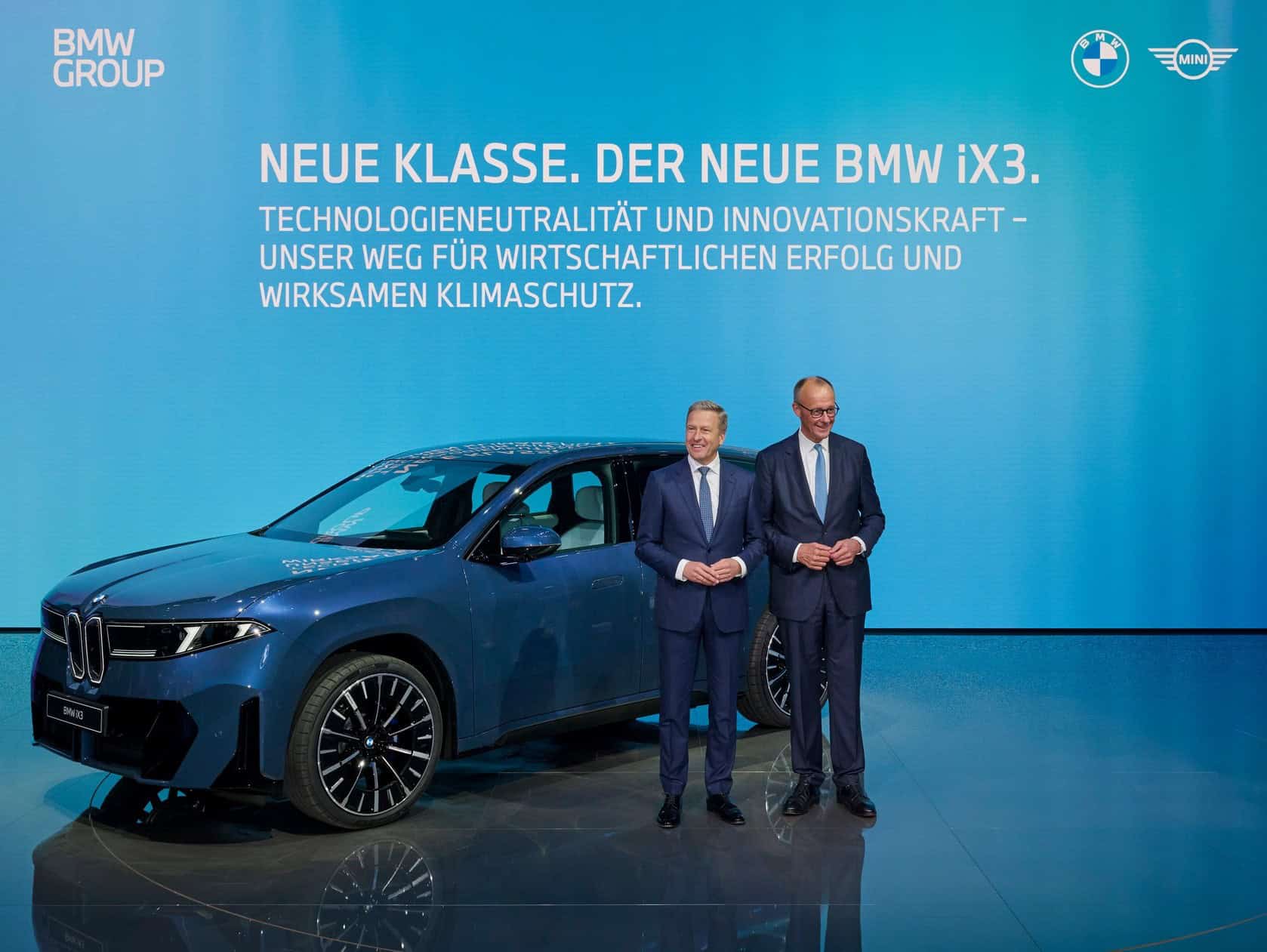
The Debate Over the European Union’s Plan to Ban Combustion-Engine Cars by 2035
Many automakers, with the exception of Volvo and Polestar, are pushing back against the European Union’s proposal to prohibit the sale of new combustion-engine vehicles from 2035. While the legislation doesn’t explicitly ban internal combustion engines (ICEs), it mandates that vehicles must emit zero emissions, effectively phasing out traditional engines. The industry is hopeful that alternative technologies like hydrogen-burning engines and synthetic fuels could potentially disrupt this timeline.
One of the leading voices against the proposed ban is BMW, which has raised concerns about the potential collapse of Europe’s automotive sector if the cutoff date is enforced. The company warns that tens of thousands of employees could face job losses if the ban is implemented as planned. BMW also questions the readiness of markets to fully transition to electric vehicles by 2035.
The demand for electric cars in Europe is still uneven due to factors such as a lack of charging infrastructure and higher prices compared to gasoline models. German Chancellor Friedrich Merz has aligned himself with BMW and other manufacturers in opposition to the 2035 ban on ICE vehicles.
In a letter to European Commission President Ursula von der Leyen, Merz, obtained by Bloomberg, called for a revision of the legislation to allow plug-in hybrids to be sold beyond the mid-2030s. He also advocates for the continued availability of “highly efficient” combustion vehicles post-2035.
Merz also argues for the exemption of range-extending gas engines, a technology that uses an ICE as a generator to charge a battery while electric motors propel the vehicle. BMW has previously utilized this technology in the i3 and is considering reintroducing it in their larger SUVs.
According to Bloomberg, Merz emphasizes the need for a technology-neutral and flexible approach to CO2 regulation that aligns with the EU’s climate goals without stifling innovation and industrial progress. He also supports the use of synthetic and renewable fuels to reduce emissions from existing vehicles, with BMW actively promoting alternative fuels like hydrotreated vegetable oil (HVO100) and eFuel.
As the debate unfolds, clarity is crucial for automakers as they plan for the future. Developing new products takes time, and uncertainty about the regulatory landscape post-2035 can significantly impact a company’s product strategy. The industry requires at least four years to bring a new model to market, highlighting the urgency for clear guidelines on the future of combustion-engine vehicles in the EU.
Source: Bloomberg








Director Patel’s Email Inbox Hacked by FBI, Investigation Underway

Revolutionizing Emergency Response: The Future of Hybrid Vehicles

The Battle for Fairness: Apple’s Ongoing Struggle with App Store Antitrust

Cutting the Cord: The Ultimate Guide to Top Cord-Cutting Apps in 2026

Is BMW Ready to Challenge the Dominance of the Escalade?

19 Smartphone Gadgets that Blew me Away.

Critical Flaw in Smart Slider Plugin Puts 500K WordPress Sites at Risk

Exclusive Deal: PS5 Pro Price Jumping to £789 Next Week!

Lunar Love: How Watch Club Aims to Dominate the Werewolf Romance Market

EU Takes Action Against Instagram and Facebook for Violating Illegal Content Rules

Warning: Facebook Creators Face Monetization Loss for Stealing and Reposting Videos

Facebook Compliance: ICE-tracking Page Removed After US Government Intervention

Facebook’s New Look: A Blend of Instagram’s Style

Facebook and Instagram to Reduce Personalized Ads for European Users

InstaDub: Meta’s AI Translation Tool for Instagram Videos

Reclaim Your Account: Facebook and Instagram Launch New Hub for Account Recovery

Meta discontinues Messenger apps for Windows and macOS

Breaking Updates: Meta Connect 2025 Unveils Latest Developments
19 Smartphone Gadgets that Blew me Away.

iPhone 12 Pro Max Unboxing & Review!

iPhone 12 Pro Max vs Samsung Note 20 Ultra / Huawei Mate 40 Pro Camera Test Comparison.

iPhone 12 Pro Max vs Samsung Note 20 Ultra / Huawei / Xiaomi / OnePlus Battery Life DRAIN Test.

The BEST Smartphone of 2020 🏆

The Self-Healing Smartphones!

Apple is not what it used to be.

Smartphones are Boring now.

The Fastest Android Phone Ever.
-
 Facebook5 months ago
EU Takes Action Against Instagram and Facebook for Violating Illegal Content Rules
-
 Facebook6 months ago
Warning: Facebook Creators Face Monetization Loss for Stealing and Reposting Videos
-
 Facebook6 months ago
Facebook Compliance: ICE-tracking Page Removed After US Government Intervention
-
 Facebook4 months ago
Facebook’s New Look: A Blend of Instagram’s Style
-
 Facebook4 months ago
Facebook and Instagram to Reduce Personalized Ads for European Users
-
 Facebook6 months ago
InstaDub: Meta’s AI Translation Tool for Instagram Videos
-
 Facebook4 months ago
Reclaim Your Account: Facebook and Instagram Launch New Hub for Account Recovery
-
 Apple5 months ago
Meta discontinues Messenger apps for Windows and macOS
