
Security
Google Debunks Rumors of Extensive Gmail Data Breach


Google Denies Data Breach Rumors
Google recently refuted claims of a massive data breach that allegedly exposed 183 million Gmail accounts. The company clarified that there was no breach of its systems, but rather a compilation of stolen credentials from various sources over the years.
Reports circulating over the weekend erroneously stated that Gmail accounts had been breached, causing panic among users. However, Google assured users that its security measures are robust and that no breach had occurred.
The misinformation stemmed from a misunderstanding of infostealer databases, which aggregate stolen credentials from different sources. These databases do not represent a new attack on Gmail specifically.
Google emphasized that it did not issue a broad warning to all Gmail users about a security issue, contrary to the sensationalized reports. This incident highlights the need for accurate reporting in the cybersecurity landscape.
The confusion originated from Troy Hunt, creator of Have I Been Pwned (HIBP), adding a large collection of compromised credentials to the platform. These credentials were not from a single breach but were gathered from various cyber threats like malware, data breaches, and phishing attacks.
Threat actors often compile exposed credentials into vast collections, which are then shared within the cybercrime community. Google and other companies use such data to alert users about compromised passwords and enforce password resets to safeguard accounts.
While the claims of a Gmail data breach were debunked, the presence of exposed credentials remains a significant concern. Threat actors leverage stolen credentials to infiltrate networks and launch malicious attacks, underscoring the importance of password security.
Google reiterated its commitment to taking swift action when large batches of compromised credentials are detected, assisting users in securing their accounts. The company’s proactive approach aims to mitigate the risks associated with exposed passwords.
It is crucial for individuals to remain vigilant about their online security and promptly address any potential breaches. In the event of compromised credentials, users are advised to conduct antivirus scans on their devices and change passwords across all accounts.
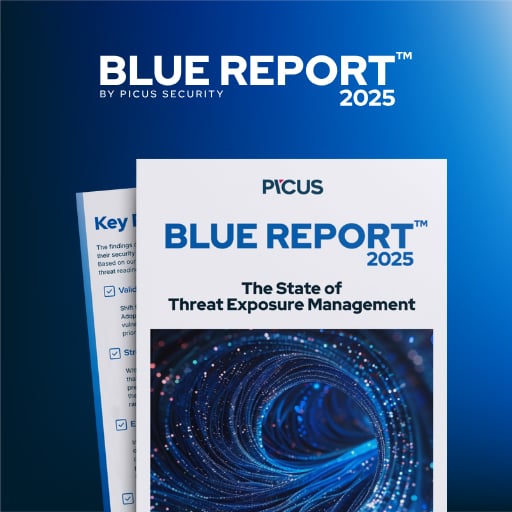
46% of environments had passwords cracked, nearly doubling from 25% last year.
Explore the Picus Blue Report 2025 for insights on prevention, detection, and data exfiltration trends.











Is BMW Ready to Challenge the Dominance of the Escalade?

19 Smartphone Gadgets that Blew me Away.

Critical Flaw in Smart Slider Plugin Puts 500K WordPress Sites at Risk

Exclusive Deal: PS5 Pro Price Jumping to £789 Next Week!

Lunar Love: How Watch Club Aims to Dominate the Werewolf Romance Market

Revolutionizing Technology: How the Macintosh Forever Transformed the World of Computers

Tech Savvy Heroes: AirTag Child Rescue, DarkSword Hack, and More Adventures

Chinese Brand’s Newest Small Electric Hatch Sets Safety Standard with Anticipated Five-Star Rating

The Unforeseen Lessons: A Microsoft VP’s Journey from India to the Age of AI

EU Takes Action Against Instagram and Facebook for Violating Illegal Content Rules

Warning: Facebook Creators Face Monetization Loss for Stealing and Reposting Videos

Facebook Compliance: ICE-tracking Page Removed After US Government Intervention

Facebook’s New Look: A Blend of Instagram’s Style

Facebook and Instagram to Reduce Personalized Ads for European Users

InstaDub: Meta’s AI Translation Tool for Instagram Videos

Reclaim Your Account: Facebook and Instagram Launch New Hub for Account Recovery

Meta discontinues Messenger apps for Windows and macOS

Breaking Updates: Meta Connect 2025 Unveils Latest Developments
19 Smartphone Gadgets that Blew me Away.

iPhone 12 Pro Max Unboxing & Review!

iPhone 12 Pro Max vs Samsung Note 20 Ultra / Huawei Mate 40 Pro Camera Test Comparison.

iPhone 12 Pro Max vs Samsung Note 20 Ultra / Huawei / Xiaomi / OnePlus Battery Life DRAIN Test.

The BEST Smartphone of 2020 🏆

The Self-Healing Smartphones!

Apple is not what it used to be.

Smartphones are Boring now.

The Fastest Android Phone Ever.
-
 Facebook5 months ago
EU Takes Action Against Instagram and Facebook for Violating Illegal Content Rules
-
 Facebook6 months ago
Warning: Facebook Creators Face Monetization Loss for Stealing and Reposting Videos
-
 Facebook6 months ago
Facebook Compliance: ICE-tracking Page Removed After US Government Intervention
-
 Facebook4 months ago
Facebook’s New Look: A Blend of Instagram’s Style
-
 Facebook4 months ago
Facebook and Instagram to Reduce Personalized Ads for European Users
-
 Facebook6 months ago
InstaDub: Meta’s AI Translation Tool for Instagram Videos
-
 Facebook4 months ago
Reclaim Your Account: Facebook and Instagram Launch New Hub for Account Recovery
-
 Apple5 months ago
Meta discontinues Messenger apps for Windows and macOS
