
Startups
Influence in Action: The Impact of Lobbying Laws on Policy Decisions

Exploring the Importance of Lobbying in Legislation
- An Insight into the Role of Lobbying in Shaping Legislation
- Understanding Key Lobbying Laws and Their Significance
- Examining Real-Life Examples of Lobbying Influence
- Unveiling the Revolving Door Phenomenon in Government
- Balancing Public Interest and Private Influence in Lobbying
- Emphasizing Transparency and Accountability in the Lobbying Process
- Concluding Thoughts on Lobbying Laws and Their Impact
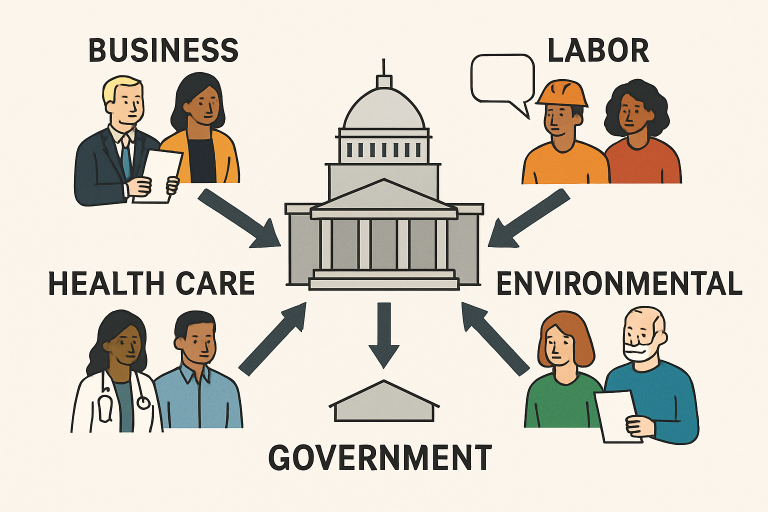
Delving into the intricate mechanisms that drive policy decisions is crucial for comprehending the legislative process and the creation of laws and regulations. This intricate process involves a multitude of stakeholders, ranging from elected officials to interest groups, all vying to ensure their viewpoints are taken into consideration. Lobbying, when executed transparently and within the confines of the law, can offer valuable expertise and insights that influence the development of effective legislation and policy outcomes. Simultaneously, the regulatory framework of lobbying laws ensures that these interactions are conducted ethically, fostering accountability and public trust.
For organizations and individuals navigating the complex landscape of lobbying, seeking guidance from a lobbying compliance consultant can prove to be invaluable. These professionals assist in ensuring that all activities adhere to legal mandates, thereby minimizing the risk of violations while upholding ethical standards. By grasping the rules and adhering to them diligently, stakeholders can actively engage in the policymaking process without compromising integrity or transparency.
The Significance of Lobbying in Legislative Processes
Lobbying encompasses the efforts of individuals, companies, or advocacy groups to influence lawmakers in supporting, amending, or opposing legislation. This engagement with the legislative process reflects fundamental democratic values, enabling stakeholders with diverse interests and backgrounds to directly communicate their policy priorities to those in authority. When conducted transparently and regulated appropriately, lobbying aids policymakers in accessing a wide array of perspectives, contributing to more well-informed and balanced decisions.
However, the ethical and practical implications of lobbying vary significantly based on the legal parameters governing these activities. Stringent regulations can curb corruption, ensure marginalized voices are heard, and bolster public trust in governmental processes. Conversely, lax or inadequately enforced rules may pave the way for undue influence, allowing powerful interests to overshadow others.
Exploring Crucial Lobbying Laws and Their Effects
Several foundational laws structure the lobbying landscape in the United States. The Federal Regulation of Lobbying Act of 1946 marked the initial attempt to mandate lobbyists to register and disclose their activities. However, its broad exemptions and limited scope meant that only a fraction of lobbyists fell under its purview. Subsequently, the Lobbying Disclosure Act of 1995 imposed more stringent requirements. This legislation mandated quarterly registration, the disclosure of income sources, and detailed descriptions of efforts to influence government officials.
Transparency gained further prominence as digital communication facilitated new forms of advocacy and influence. Subsequent amendments and regulations aimed at closing loopholes concerning “shadow lobbying” and clarifying definitions for foreign agents, consultants, and contractors engaged in advocacy work. Despite these advancements, enforcement gaps persist, enabling special interest groups to exert private influence while technically complying with existing disclosure mandates.
Analyzing Case Studies Demonstrating Lobbying Influence
Specific instances shed light on how shifts in lobbying activities mirror alterations in policy and public discourse. A notable case revolves around the artificial intelligence sector. Between 2022 and 2023, the number of organizations lobbying the U.S. government on AI surged from under 160 to over 450, with tech giants like Amazon, Meta, Alphabet, and Microsoft allocating substantial resources to influence regulation. Their objective was to shape the landscape for future innovation while managing potential liabilities, underscoring how concentrated lobbying can steer lawmakers’ attention toward industry priorities.
Another illustrative example stems from privacy legislation conflicts. In 2025, Google clandestinely opposed California’s Assembly Bill 566, which aimed to mandate browsers to offer users the choice to opt out of data sharing with third parties automatically. Instead of openly challenging the bill, Google mobilized small businesses to resist the regulations, framing them as threats to online advertising revenue and digital competitiveness.
Unveiling the Revolving Door Phenomenon
The “revolving door” phenomenon denotes the movement of professionals between regulatory agencies, legislative bodies, and private enterprises. Former legislators and government officials often transition into lobbying roles, leveraging insider knowledge and connections. This transition can engender significant conflicts of interest, as public servants may incline towards favoring organizations representing their current or former employers. Such trends risk regulatory capture, where the primary purpose of government shifts towards serving private rather than public interests. Addressing the revolving door is imperative in upholding the integrity and perception of government decision-making.
Balancing Public Interest and Private Influence in Lobbying
When lobbying is predominantly influenced by entities with substantial financial resources, the welfare of the general public may be sidelined. Private influence can promote a narrow agenda, impeding reforms or even shaping laws that restrict competition, suppress wages, or diminish environmental safeguards. In the absence of robust safeguards and diverse advocacy, the government risks aligning more with donors and clients than with voters.
Fostering Transparency and Accountability in Lobbying Practices
Enhanced oversight and clear regulations are pivotal in curtailing undue influence. Policymakers, watchdog organizations, and reform proponents often advocate for measures such as strengthening and enforcing disclosure requirements, escalating penalties for violations, and ensuring that lobbying data is easily accessible to the public. Instituting mandatory cooling-off periods for former public officials transitioning into lobbying roles can mitigate the revolving door effect and reduce conflicts of interest.
Moreover, the concept of public financing of campaigns is frequently proposed to diminish politicians’ dependency on major donors. Such reforms have the potential to redistribute influence more equitably, rendering policymaking more reflective of the overall electorate. Stricter transparency mandates empower journalists and citizens to scrutinize and hold both lobbyists and lawmakers accountable.
Concluding Reflections on Lobbying Laws and Their Impact
Lobbying laws stand at the core of shaping policy outcomes by regulating the interactions between interest groups, corporations, and the public with the government. While these laws strive to foster transparency and equity, they must evolve to address emerging advocacy tactics and technological advancements. Continuous reforms and vigilant enforcement are indispensable in preserving the integrity and legitimacy of the democratic process, always prioritizing public welfare over private interests.
Post HTML













DON’T buy a Screen Protector before watching this.

Exploiting Vulnerable Drivers: How EDR Killers Use BYOVD to Disable Security

Alphabet’s X Unveils Innovative Spinout Targeting Costly Bureaucratic Challenges

Lawsuit: Halide co-founder accuses Sebastiaan de With of code theft for Apple

Previewing the Next Level: Apple Unveils iOS 26.4 RC for iPhone with Exciting New Features

Revamped Design: BMW’s Modern Makeover for the i3 Sedan

GitHub Actions Exploited in Trivy Vulnerability Scanner Breach, Infostealer Unleashed

Minecraft Dungeons II: The Battle Continues

Feeding Frenzy: How AI Startups are Revolutionizing the Venture Industry with Impressive Returns

EU Takes Action Against Instagram and Facebook for Violating Illegal Content Rules

Warning: Facebook Creators Face Monetization Loss for Stealing and Reposting Videos

Facebook Compliance: ICE-tracking Page Removed After US Government Intervention

Facebook’s New Look: A Blend of Instagram’s Style

Facebook and Instagram to Reduce Personalized Ads for European Users

InstaDub: Meta’s AI Translation Tool for Instagram Videos

Reclaim Your Account: Facebook and Instagram Launch New Hub for Account Recovery

Meta discontinues Messenger apps for Windows and macOS

Breaking Updates: Meta Connect 2025 Unveils Latest Developments
DON’T buy a Screen Protector before watching this.

Beware of Fake Reviewers! ⚠️

Xiaomi Mi 11 Unboxing & Review.

The Galaxy S21 Ultra is Better than you think.

Samsung Galaxy S21 Ultra vs iPhone 12 Pro Max Camera Test Comparison.

Samsung S21 Ultra vs iPhone Battery Life Test!

The Truth about Xiaomi “Air Charging”

DON’T buy this Smartphone.

Galaxy S21 Ultra – Exynos vs Snapdragon.
-
 Facebook5 months ago
EU Takes Action Against Instagram and Facebook for Violating Illegal Content Rules
-
 Facebook5 months ago
Warning: Facebook Creators Face Monetization Loss for Stealing and Reposting Videos
-
 Facebook5 months ago
Facebook Compliance: ICE-tracking Page Removed After US Government Intervention
-
 Facebook3 months ago
Facebook’s New Look: A Blend of Instagram’s Style
-
 Facebook3 months ago
Facebook and Instagram to Reduce Personalized Ads for European Users
-
 Facebook5 months ago
InstaDub: Meta’s AI Translation Tool for Instagram Videos
-
 Facebook4 months ago
Reclaim Your Account: Facebook and Instagram Launch New Hub for Account Recovery
-
 Apple5 months ago
Meta discontinues Messenger apps for Windows and macOS
