
Mobile Tech
iOS 26.4 Beta 1 introduces RCS encryption, but Siri 2.0 remains elusive

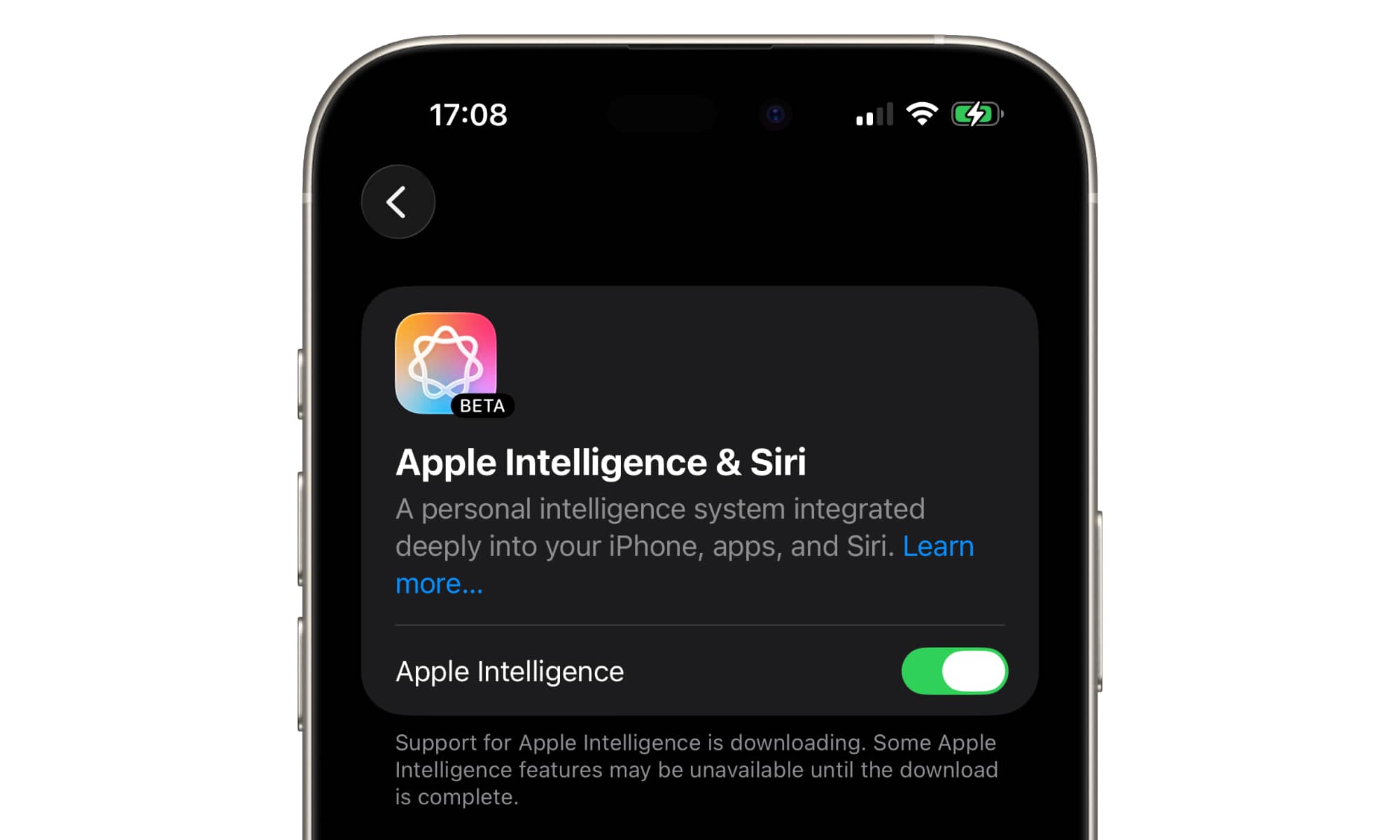
The highly anticipated beta cycle of iOS 26.4 has begun, but so far it hasn’t exactly been what most folks were hoping for. While the new release was widely expected to bring our first taste of the new Gemini-powered Siri, a report last week from Bloomberg’s Mark Gurman suggested we shouldn’t get our hopes up — and today’s first developer beta feels like a confirmation of that.
While there’s still time for Apple to add more features between now and the final release of iOS 26.4, which likely won’t arrive until late March or early April, insiders have told Gurman that the internal testing of the new “Siri 2.0” hasn’t been going as well as Apple had hoped, and may end up being pushed off to a later release. For its part, Apple has reiterated its promise that the improvements will still arrive in 2026, but that still gives it plenty of wiggle room to delay these until iOS 26.5 or even iOS 27.2, which typically lands in December. There’s a slight possibility Apple will have more to say about this during the March 4 press event announced earlier today, but nobody knows for sure what that’s about yet.
More Than Just a Siri Waiting Game
That’s not to say iOS 26.4 doesn’t offer a few other interesting new features. Apple Music gets support for local concerts and a new look for Albums and Playlists, and Apple Podcasts is opening the doors to video support.
There are also indications that AI-generated playlists are finally coming in a feature known as Playlist Playground — an obvious riff on the Image Playground app that debuted in iOS 18.2.
This likely explains the massive Apple Intelligence re-downloads that are kicking off after this beta is installed; we’ll take a closer look at that once it actually shows up).
Most significantly, iOS 26.4 lays some important groundwork for delivering on something we’ve been waiting for since early last year: RCS encryption.
The Long Road to Secure RCS
While Apple’s own iMessage protocol has been end-to-end encrypted (E2EE) from the start, the situation with RCS has been a bit more complicated. It wasn’t until 2023 that Apple relented and promised to embrace the cross-platform messaging standard, but when it finally arrived in iOS 18, E2EE was conspicuously missing.
That wasn’t an oversight on Apple’s part, nor was the company holding out on us. The problem was that the RCS standard, known as the “Universal Profile,” didn’t include E2EE. Google Messages supported encrypted RCS messages, but that was because Google had cooked up its own standard for this. It’s not hard to understand why Apple wasn’t eager to support a proprietary implementation, especially when the official RCS Universal Profile was slated to get E2EE eventually.
That came in March 2025, when the GSM Association (GSMA), the trade group of cellular carriers, announced RCS Universal Profile 3.0, complete with full end-to-end encryption. Apple confirmed the same day that it would be adding this to its RCS implementation, although it cautioned everyone that it wouldn’t happen right away. “We will add support for end-to-end encrypted RCS messages to iOS, iPadOS, macOS, and watchOS in future software updates,” the company said.
Most expected that would be iOS 26, but it appears to have taken Apple a bit longer to get there. Hints of RCS encryption appeared in the iOS 26.3 betas, suggesting it was right around the corner, but it appears that Apple is finally getting ready to turn the key in iOS 26.4.
Turning the Key on RCS Encryption
The first iOS 26.4 developer beta released today includes the first user-facing evidence of RCS E2EE in the form of an “End-to-End Encryption” toggle in the RCS Messaging settings. It still clearly carries a “beta” tag, and since it’s redundant to call something beta in a developer beta, this suggests that it could remain a “beta” feature even after iOS 26.4 is released, if it remains there at all.
End-to-end encryption is in beta and is not available for all devices or carriers. Conversations labeled as encrypted are encrypted end-to-end, so messages can’t be read while they’re sent between devices.
The description for the setting also emphasizes that it may have limited availability, and implies that conversations in the Messages app will have an indicator showing when they’re encrypted, although it’s not yet clear what this will look like. The word “labeled” suggests we’ll still see the same old green bubbles with an icon for the E2EE status, which is how it looks right now.
A Limited Test for Early Adopters
As of the current beta, unencrypted RCS conversations don’t show any special indicators — they appear the same way they always have — but a lock icon shows up when E2EE is active. Some have also reported seeing the same lock icon in iMessage chats, which is nice for consistency, but I haven’t been able to reproduce that in my own testing, likely because Apple’s limited back-end rollout of this has yet to hit my devices.
Apple has emphasized in its developer release notes that this is strictly a test of RCS E2EE, and as such it’s quite limited at this stage. Not everyone will even see it right away, and those that do will only be able to use it to communicate with other Apple devices running the OS 26.4 betas. Since iPhone-to-iPhone chats typically default to using iMessage, this will only work between devices that have iMessage turned off, and are therefore forced to fall back to using RCS. It is “not yet testable with other platforms,” Apple says.
This is likely at least partly because it’s not entirely up to Apple; Google’s proprietary RCS E2EE has been masking the fact that it’s also still rolling out support for the official Messaging Layer Security (MLS) of the new RCS standard.
Both Apple and Google are progressing at a similar pace, with Google’s advancements not immediately visible to users. Apple has confirmed that a new feature will not be included in the upcoming iOS 26.4 release, but will be introduced in a future software update for various platforms. The expansion of this feature for testing across platforms is in the works, but it remains uncertain whether it will be part of the iOS 26.4 beta cycle or a later release. While Apple is making strides, it seems that users will have to wait a bit longer before the feature is fully developed. The progress is encouraging, but there is still some time before it is ready for widespread use.









7 Classic Retro Games for iPhone and iPad: A Nostalgic Trip Down Memory Lane in 2026

Breaking Records: The Ford GT Mk IV’s Nurburgring Triumph

Why Samsung’s Transparent Phone will fail.

Qilin Ransomware Breach Confirmed by Die Linke German Political Party

Wrangling Data: How Nomadic Secured $8.4 Million for Autonomous Vehicle Insights

On-the-Go Meetings: Google Meet Now Available on CarPlay

Breaking News: The BMW M2 CS Shooting Brake Hoax Shakes the Internet

NASA’s Tech Troubles: The Artemis II Outlook Reload

Hims & Hers Takes Action: Responds to Zendesk Support Ticket Breach

EU Takes Action Against Instagram and Facebook for Violating Illegal Content Rules

Warning: Facebook Creators Face Monetization Loss for Stealing and Reposting Videos

Facebook Compliance: ICE-tracking Page Removed After US Government Intervention

Facebook’s New Look: A Blend of Instagram’s Style

Facebook and Instagram to Reduce Personalized Ads for European Users

InstaDub: Meta’s AI Translation Tool for Instagram Videos

Reclaim Your Account: Facebook and Instagram Launch New Hub for Account Recovery

Meta discontinues Messenger apps for Windows and macOS

Breaking Updates: Meta Connect 2025 Unveils Latest Developments
Why Samsung’s Transparent Phone will fail.

6G – Explained!

Is Samsung about to take over?

The Problem with Fast Chargers.

if smartphone commercials were honest.

iPhone 12 – What were Apple thinking?

OnePlus 8T vs Google Pixel 5 – The Brutal Truth.

iPhone 12 / 12 Pro Unboxing – ft MKBHD!

iPhone 12 Pro vs iPhone 12 vs iPhone 11 Pro Camera Test Comparison.
-
 Facebook5 months ago
EU Takes Action Against Instagram and Facebook for Violating Illegal Content Rules
-
 Facebook6 months ago
Warning: Facebook Creators Face Monetization Loss for Stealing and Reposting Videos
-
 Facebook6 months ago
Facebook Compliance: ICE-tracking Page Removed After US Government Intervention
-
 Facebook4 months ago
Facebook’s New Look: A Blend of Instagram’s Style
-
 Facebook4 months ago
Facebook and Instagram to Reduce Personalized Ads for European Users
-
 Facebook6 months ago
InstaDub: Meta’s AI Translation Tool for Instagram Videos
-
 Facebook4 months ago
Reclaim Your Account: Facebook and Instagram Launch New Hub for Account Recovery
-
 Apple6 months ago
Meta discontinues Messenger apps for Windows and macOS
