
AI
Lessons in Leadership: The Tough Road of CTOs

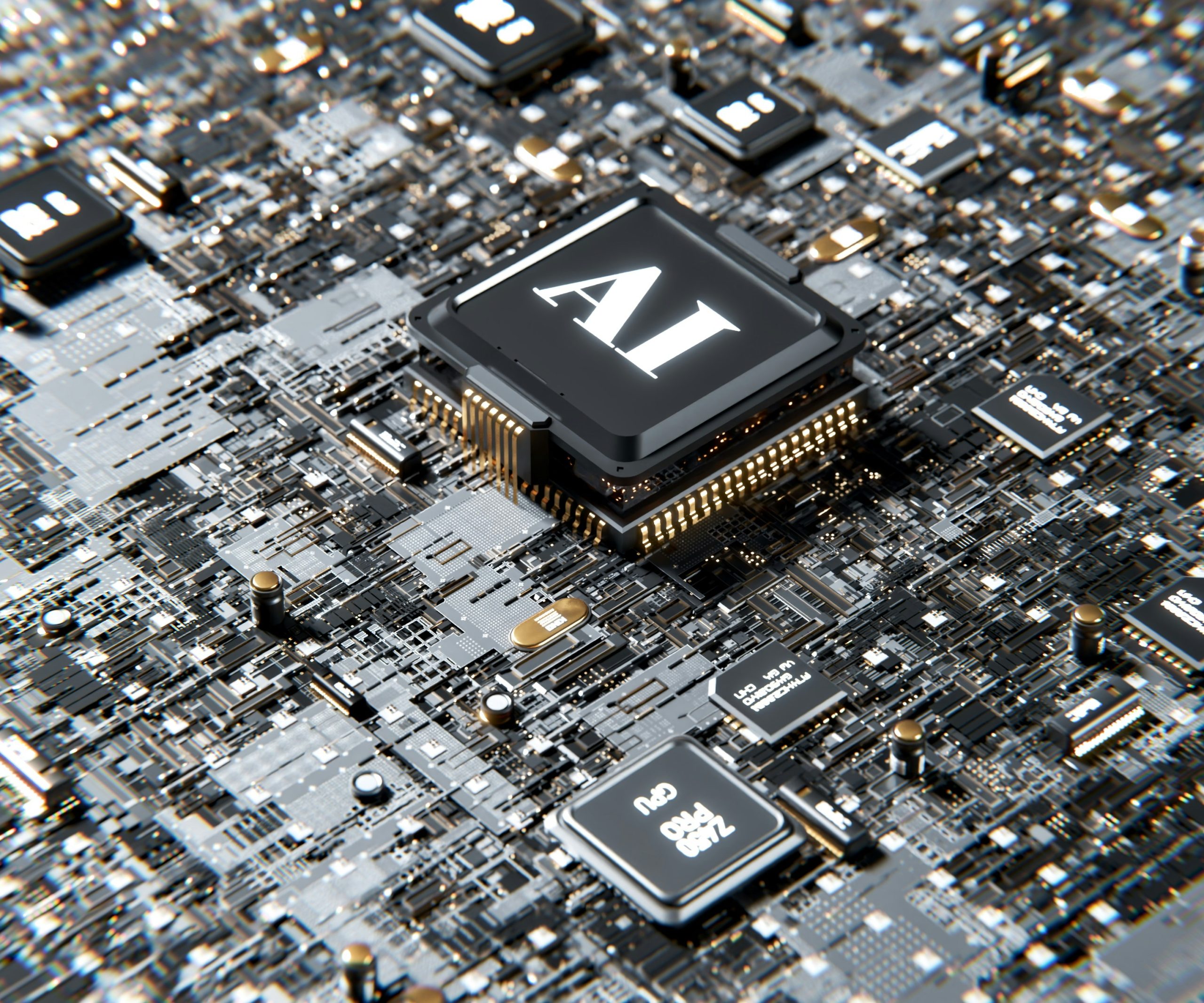
In 2025, the shortage of AI chips emerged as a critical constraint for enterprise AI deployments, leading CTOs to confront the significance of semiconductor geopolitics and supply chain dynamics over software strategies and vendor commitments.
Initially sparked by US export controls limiting advanced AI chips to China, the crisis soon expanded into a global infrastructure challenge due to the collision of soaring demand with limited manufacturing capacity that could not scale rapidly enough.
By the end of the year, the combination of geopolitical restrictions and component shortages had fundamentally altered the economics of enterprise AI. CloudZero’s research indicated a 36% increase in average monthly spending on enterprise AI in 2025 compared to 2024, with a significant rise in organizations planning to invest over $100,000 monthly.
The US government’s decision in December 2025 to conditionally allow sales of Nvidia’s H200 chips to China marked a significant policy shift, but it came too late to prevent widespread disruption. This led to Chinese companies resorting to smuggling operations to meet their AI chip requirements.
While export controls grabbed headlines, a deeper crisis involving memory chips emerged as a critical bottleneck for AI infrastructure globally. Shortages of high-bandwidth memory (HBM) led to significant price increases, impacting not only specialized AI components but also general memory chips.
These challenges extended deployment timelines for enterprise AI solutions, with projects that typically took six to twelve months in early 2025 now stretching to 12-18 months or longer by the year’s end. The constraints on infrastructure growth, including utility connections and electricity access, further exacerbated the situation.
The shortage of AI chips not only raised costs but also revealed hidden expenses that organizations had not accounted for in their budgets. Advanced packaging capacity, infrastructure costs beyond chips, and implementation and governance expenses added to the financial burden of AI deployments.
Enterprise leaders who navigated the AI chip shortage successfully in 2025 learned valuable lessons that will shape their procurement strategies in the future. Diversifying supply relationships, budgeting for component volatility, optimizing efficiency before scaling, considering hybrid infrastructure models, and factoring geopolitics into architecture decisions were key takeaways.
Looking ahead to 2026, the supply-demand imbalance is expected to persist, with new memory chip factories taking years to come online. Export control policies remain uncertain, adding to procurement challenges for global enterprises.
In conclusion, the AI chip shortage of 2025 highlighted the importance of understanding supply chain realities and planning accordingly. The organizations that thrived were those that adapted to the changing landscape of AI infrastructure, prioritizing resilience and flexibility in their strategies.












Exclusive Arrival: Cupra Born VZ Lands in Australia – But There’s a Twist!

iPhone 12 Pro Max vs Samsung Note 20 Ultra / Huawei Mate 40 Pro Camera Test Comparison.

ClickFix: The New Threat to macOS Security

Kingdom Come: Deliverance 2 – The Rise of Artificial Intelligence

Elon Musk’s Latest Venture Faces Uncertainty as Last Co-Founder Departs xAI

Apple Bids Farewell to the Mac Pro Tower: Is it Truly Dead?

Porsche 911 GT3 RS Facelift: Unveiling the 992.2 Model in August 2026

Bearlyfy Strikes Russian Companies with Unique GenieLocker Ransomware Attack

Innovative Ventures: The 8 Startups Investors Can’t Resist from YC Demo Day

EU Takes Action Against Instagram and Facebook for Violating Illegal Content Rules

Warning: Facebook Creators Face Monetization Loss for Stealing and Reposting Videos

Facebook Compliance: ICE-tracking Page Removed After US Government Intervention

Facebook’s New Look: A Blend of Instagram’s Style

Facebook and Instagram to Reduce Personalized Ads for European Users

InstaDub: Meta’s AI Translation Tool for Instagram Videos

Reclaim Your Account: Facebook and Instagram Launch New Hub for Account Recovery

Meta discontinues Messenger apps for Windows and macOS

Breaking Updates: Meta Connect 2025 Unveils Latest Developments
iPhone 12 Pro Max vs Samsung Note 20 Ultra / Huawei Mate 40 Pro Camera Test Comparison.

iPhone 12 Pro Max vs Samsung Note 20 Ultra / Huawei / Xiaomi / OnePlus Battery Life DRAIN Test.

The BEST Smartphone of 2020 🏆

The Self-Healing Smartphones!

Apple is not what it used to be.

Smartphones are Boring now.

The Fastest Android Phone Ever.

Unboxing the $122,000 Smartphone. 🤯

Are Linux Smartphones about to KILL Android?
-
 Facebook5 months ago
EU Takes Action Against Instagram and Facebook for Violating Illegal Content Rules
-
 Facebook5 months ago
Warning: Facebook Creators Face Monetization Loss for Stealing and Reposting Videos
-
 Facebook5 months ago
Facebook Compliance: ICE-tracking Page Removed After US Government Intervention
-
 Facebook4 months ago
Facebook’s New Look: A Blend of Instagram’s Style
-
 Facebook4 months ago
Facebook and Instagram to Reduce Personalized Ads for European Users
-
 Facebook6 months ago
InstaDub: Meta’s AI Translation Tool for Instagram Videos
-
 Facebook4 months ago
Reclaim Your Account: Facebook and Instagram Launch New Hub for Account Recovery
-
 Apple5 months ago
Meta discontinues Messenger apps for Windows and macOS
