
Cars
Lost Legacy: The Disappearance of AC Schnitzer and the Changing Automotive Landscape

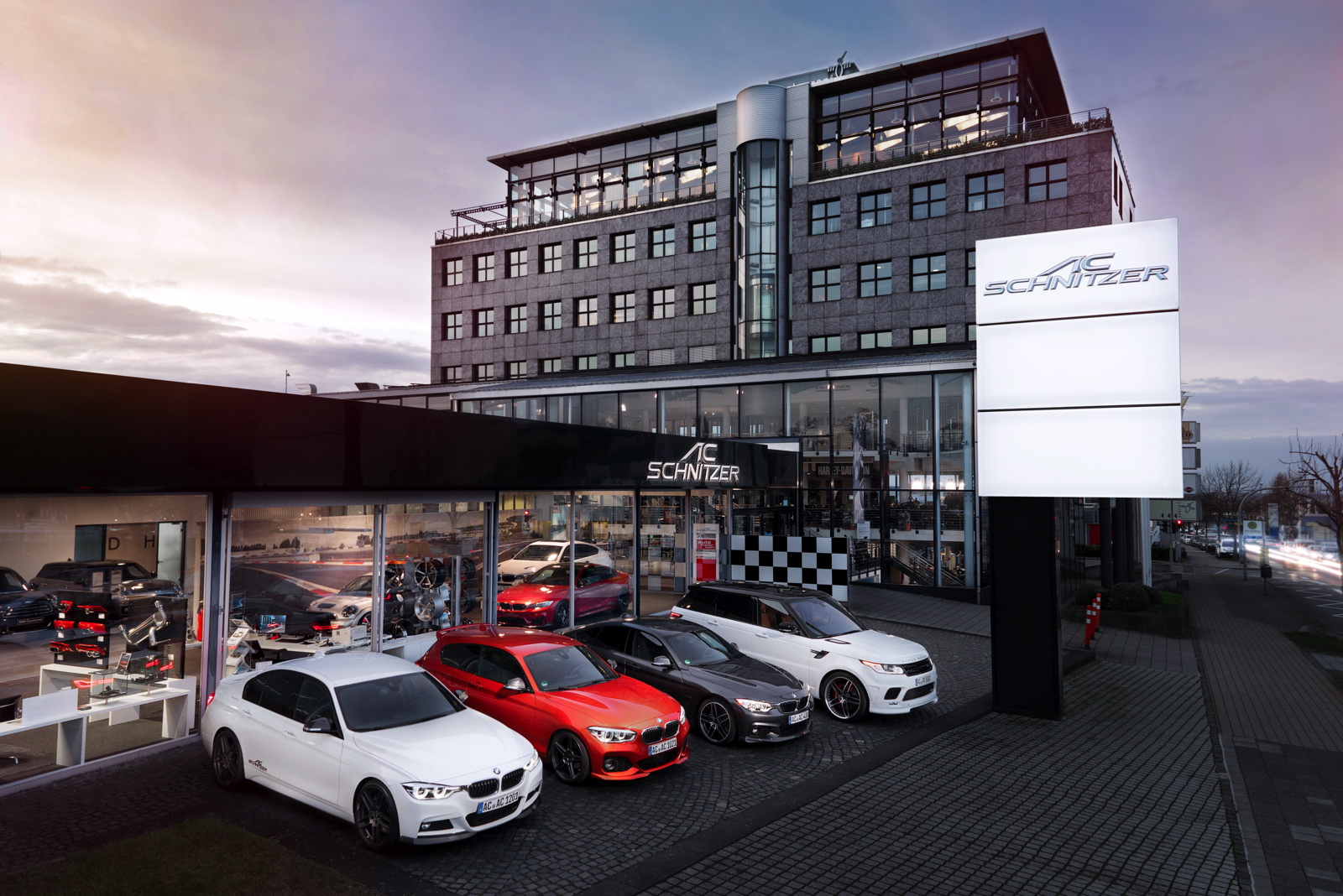
The End of AC Schnitzer: A Reflection on German Tuning Culture
AC Schnitzer, founded in 1987 in Aachen and inspired by Schnitzer Motorsport’s racing heritage, was known for its focus on engineering excellence rather than flashy modifications. The company’s reputation was built on precision and refinement, enhancing BMWs with a subtle touch instead of drastic changes for attention.
The 1990s marked a golden era for German tuning, characterized by a unique combination of factors. BMWs of that time offered a level of transparency that allowed independent tuners to modify them effectively. Regulations were still flexible enough to allow for innovative developments, and drivers believed that a factory car was merely a starting point for further enhancement.
In today’s automotive landscape, modern BMWs are equipped with closed software systems and factory performance packages, limiting the space once occupied by independent tuners. While ownership may feel more complete with these advancements, there is a sense of reduced engagement and participation in the customization process.
The significance of AC Schnitzer’s closure goes beyond just a business story. It represents a personal and cultural loss, evoking memories of a specific era in Germany defined by speed, industrial craftsmanship, and understated expertise. For enthusiasts who interact daily with BMWs, the absence of AC Schnitzer feels like a part of their automotive heritage has quietly faded away.
Remembering the Golden Era of German Tuning
The 1990s were a pivotal period for domestic German tuners, with BMW at the forefront of automotive excellence. The era was characterized by a harmonious balance of factors, including BMW’s commitment to producing well-engineered and durable vehicles that were open to modification. While electronics were shaping the future of cars, they had not yet isolated them from hands-on customization.
German tuning culture, exemplified by companies like ALPINA, Hartge, and AC Schnitzer, approached BMW vehicles as works of art to be refined rather than radically transformed. These tuners respected the original DNA of BMW cars, enhancing them with precision, purpose, and a quiet confidence that defined the era.
AC Schnitzer’s Legacy of Engineering Excellence
AC Schnitzer entered the tuning scene in 1987, drawing inspiration from Schnitzer Motorsport’s racing pedigree. The company set itself apart by prioritizing engineering integrity over flashy modifications. From the ACS7 based on the E32 7 Series to the ACS3 Sport built on the E30 M3, AC Schnitzer’s modifications were subtle yet transformative, enhancing the overall performance and aesthetics of BMW vehicles.
Even their more ambitious projects, like the V8 Roadster featuring a 4.4-liter V8 engine in the Z3, demonstrated a controlled and composed approach to tuning. AC Schnitzer’s meticulous attention to detail and commitment to balancing restraint with ambition set them apart in the world of German tuners.
The Evolution of BMW Platforms and Tuning Culture
The success of German tuners like AC Schnitzer was closely tied to the nature of BMW platforms in the 1990s. Models like the E30 and E39 provided a perfect balance of sophistication and accessibility, allowing tuners to enhance their performance without compromising their core characteristics. This dynamic relationship between manufacturer, tuner, and driver created a collaborative atmosphere that shaped the identity of the final vehicle.
In contrast, modern BMWs have evolved to be faster, safer, and more refined, but they have also become more closed off to independent modifications. Software-driven systems and stringent regulations have limited the scope for aftermarket tuning, leaving little room for tuners to make a significant impact on the vehicle’s performance.
Redefining Ownership in the Era of Modern BMWs
Owning a modern BMW comes with a different set of expectations compared to the past. While today’s cars offer unparalleled quality and performance, they arrive from the factory in a more optimized state, leaving less room for customization. The sense of active participation in shaping the vehicle’s character has given way to a more passive form of ownership, where the car is seen as a complete package from the outset.
The closure of AC Schnitzer marks a shift in the automotive landscape, signaling the end of an era where cars were viewed as ongoing projects rather than finished products. The collaborative spirit that defined the golden era of German tuning, with its emphasis on understanding, reinterpretation, and personalization, has gradually faded away.
Honoring AC Schnitzer’s Legacy
Despite the changing dynamics of the automotive industry, AC Schnitzer’s legacy lives on as a testament to the art of automotive customization. The company instilled a unique perspective in enthusiasts, encouraging them to see beyond the surface of a BMW and envision its potential for improvement. While the workshops may have gone silent and cars have become more self-contained, the spirit of innovation and personalization that AC Schnitzer embodied remains a fundamental part of the BMW experience.










Lost Legacy: The Disappearance of AC Schnitzer and the Changing Automotive Landscape

Cyber Warfare: The Battlefront of the Digital Age

Monster Hunter Stories 3: The Challenge of Twisted Reflection

Revolutionizing Cash-Pay Clinic Prescribing: VITL Secures $7.5M Amid GLP-1 Boom

Balancing Act: The Decision to Shut Down Sora

Exclusive Arrival: Cupra Born VZ Lands in Australia – But There’s a Twist!

iPhone 12 Pro Max vs Samsung Note 20 Ultra / Huawei Mate 40 Pro Camera Test Comparison.

ClickFix: The New Threat to macOS Security

Kingdom Come: Deliverance 2 – The Rise of Artificial Intelligence

EU Takes Action Against Instagram and Facebook for Violating Illegal Content Rules

Warning: Facebook Creators Face Monetization Loss for Stealing and Reposting Videos

Facebook Compliance: ICE-tracking Page Removed After US Government Intervention

Facebook’s New Look: A Blend of Instagram’s Style

Facebook and Instagram to Reduce Personalized Ads for European Users

InstaDub: Meta’s AI Translation Tool for Instagram Videos

Reclaim Your Account: Facebook and Instagram Launch New Hub for Account Recovery

Meta discontinues Messenger apps for Windows and macOS

Breaking Updates: Meta Connect 2025 Unveils Latest Developments
iPhone 12 Pro Max vs Samsung Note 20 Ultra / Huawei Mate 40 Pro Camera Test Comparison.

iPhone 12 Pro Max vs Samsung Note 20 Ultra / Huawei / Xiaomi / OnePlus Battery Life DRAIN Test.

The BEST Smartphone of 2020 🏆

The Self-Healing Smartphones!

Apple is not what it used to be.

Smartphones are Boring now.

The Fastest Android Phone Ever.

Unboxing the $122,000 Smartphone. 🤯

Are Linux Smartphones about to KILL Android?
-
 Facebook5 months ago
EU Takes Action Against Instagram and Facebook for Violating Illegal Content Rules
-
 Facebook5 months ago
Warning: Facebook Creators Face Monetization Loss for Stealing and Reposting Videos
-
 Facebook5 months ago
Facebook Compliance: ICE-tracking Page Removed After US Government Intervention
-
 Facebook4 months ago
Facebook’s New Look: A Blend of Instagram’s Style
-
 Facebook4 months ago
Facebook and Instagram to Reduce Personalized Ads for European Users
-
 Facebook6 months ago
InstaDub: Meta’s AI Translation Tool for Instagram Videos
-
 Facebook4 months ago
Reclaim Your Account: Facebook and Instagram Launch New Hub for Account Recovery
-
 Apple5 months ago
Meta discontinues Messenger apps for Windows and macOS
