
Tech News
Mastering Predictive Analytics for Retail Success

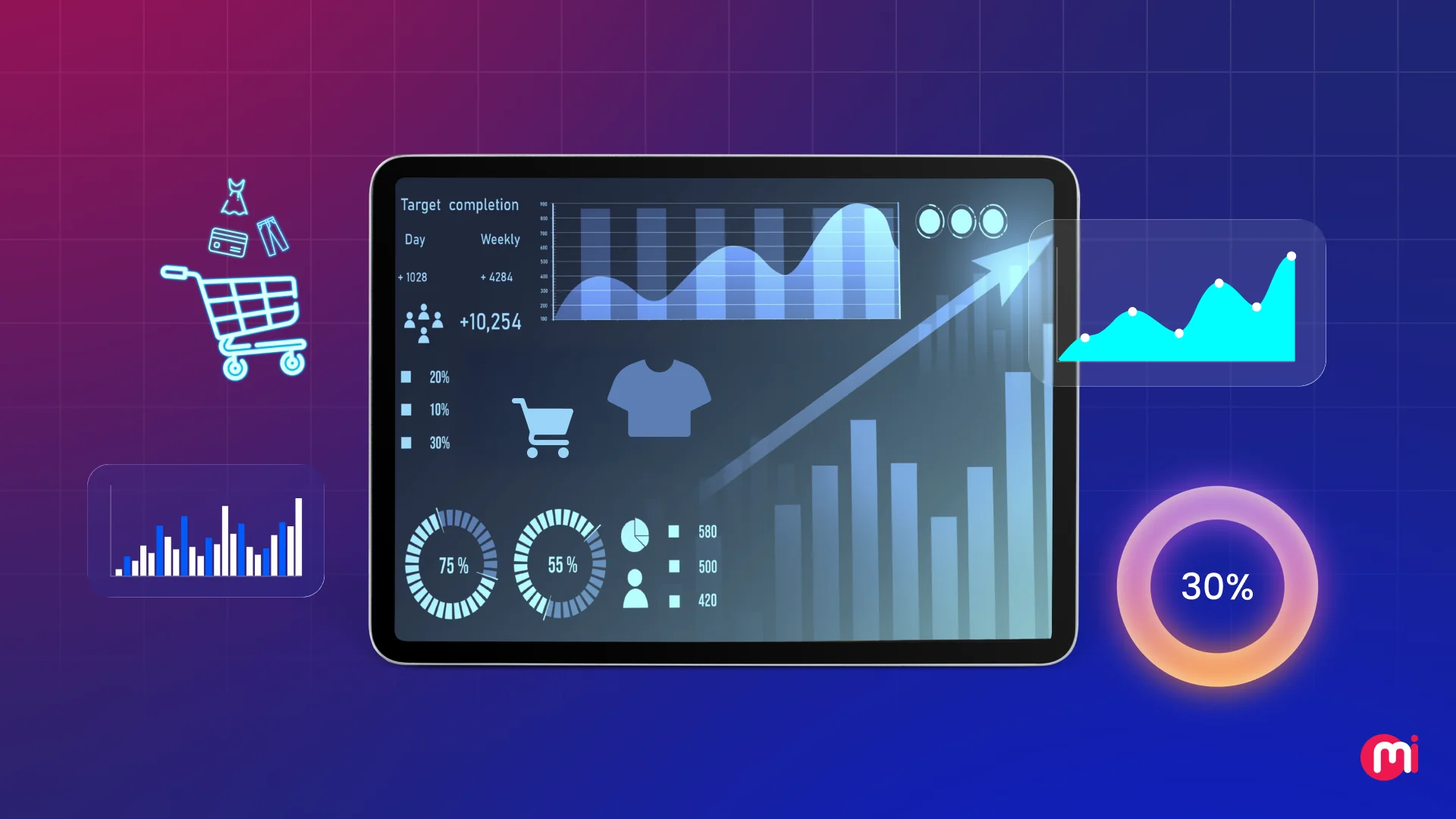
Predictive analytics in the retail sector harnesses historical data, machine learning (ML), and statistical algorithms to analyze patterns and forecast future trends. By leveraging massive data sets that include past sales and browsing behavior, retailers can optimize their operations and manage their supply chains to enhance efficiency and profitability.
Research conducted by Research and Markets indicates that the predictive analytics market for retail grew from USD 1.47 billion in 2024 to USD 1.72 billion in 2025, with projections to reach USD 5.67 billion by 2032, registering a CAGR of 18.35% during the forecast period. This growth highlights the significant adoption of advanced predictive analytics by retailers to drive both agility and long-term growth.
The process of predictive analytics in retail begins with data aggregation from various sources, such as in-store POS systems, mobile applications, eCommerce sites, and customer loyalty programs. This data is then utilized to identify trends and predict specific outcomes, such as demand for products, customer churn rates, and future purchasing behavior.
Predictive analytics in retail involves the use of leading technologies like AI, ML, data mining, and statistical modeling to enhance accuracy and extract patterns from large datasets. It enables retailers to predict future sales, measure the effectiveness of marketing strategies, and optimize operations based on data-driven insights.
Key takeaways from predictive analytics in retail include the ability to forecast trends and demand accurately, enhance pricing strategies, inventory control, and personalize marketing efforts. Real-world leaders like Amazon, Walmart, and Starbucks rely on predictive analytics to drive growth and gain a competitive advantage in the market.
The benefits of predictive analytics in retail include improved demand planning, inventory accuracy, customer retention, and lifetime value. It also leads to reduced stockouts and overstock situations, better pricing decisions, increased marketing efficiency, and faster, data-driven decision-making.
Best practices for successful retail predictive analytics involve defining clear objectives, improving data quality, choosing the right model, monitoring model performance, and ensuring compliance and security. Real-world examples of predictive analytics in retail include Amazon’s demand forecasting, Walmart’s inventory management, and Starbucks’ personalized promotions.
Challenges in implementing predictive analytics in retail include data quality and integration issues, model accuracy and bias risks, scalability and infrastructure constraints, skill gaps, and change management, and privacy, security, and compliance considerations.
In conclusion, predictive analytics in retail is crucial for thriving in a data-saturated market. It enables retailers to make smarter, faster, and more profitable business decisions by anticipating demand, personalizing experiences, and predicting shopper behavior. By integrating deep learning development services, retailers can turn insights into action and drive measurable outcomes. If you’re looking to integrate predictive analytics into your retail business, experts at MindInventory can help you get started and maximize its benefits.












Fuel Prices Slashed in Australia: GST Deal Leads to Discounts at the Pump

if smartphone commercials were honest.

Unprotected: The Vulnerability of Over 14,000 F5 BIG-IP APM Instances to Remote Code Execution Attacks

Garry’s Mod 2: The Evolution of Creativity

Exploring the Benefits and Drawbacks of Android Desktop Mode: A Comprehensive Review

The Future of Sales: Essential Strategies for Competitive Teams in 2026

Avatar: The Last Airbender Season 2: Exciting Updates on Cast and Release Date

Exploring the Latest Apple Music Features: Playlist Playground and Beyond

The Electrifying Transformation of BMW’s Munich Plant: A $700M Journey to All-Electric Production by 2027

EU Takes Action Against Instagram and Facebook for Violating Illegal Content Rules

Warning: Facebook Creators Face Monetization Loss for Stealing and Reposting Videos

Facebook Compliance: ICE-tracking Page Removed After US Government Intervention

Facebook’s New Look: A Blend of Instagram’s Style

Facebook and Instagram to Reduce Personalized Ads for European Users

InstaDub: Meta’s AI Translation Tool for Instagram Videos

Reclaim Your Account: Facebook and Instagram Launch New Hub for Account Recovery

Meta discontinues Messenger apps for Windows and macOS

Breaking Updates: Meta Connect 2025 Unveils Latest Developments
if smartphone commercials were honest.

iPhone 12 – What were Apple thinking?

OnePlus 8T vs Google Pixel 5 – The Brutal Truth.

iPhone 12 / 12 Pro Unboxing – ft MKBHD!

iPhone 12 Pro vs iPhone 12 vs iPhone 11 Pro Camera Test Comparison.

Huawei Mate 40 Pro Unboxing – WHAT.

iPhone 12 vs iPhone 12 Pro / 11 Pro Max / 11 Pro / 11 / XR / SE Battery Life DRAIN Test.

19 Smartphone Gadgets that Blew me Away.

iPhone 12 Pro Max Unboxing & Review!
-
 Facebook5 months ago
EU Takes Action Against Instagram and Facebook for Violating Illegal Content Rules
-
 Facebook6 months ago
Warning: Facebook Creators Face Monetization Loss for Stealing and Reposting Videos
-
 Facebook6 months ago
Facebook Compliance: ICE-tracking Page Removed After US Government Intervention
-
 Facebook4 months ago
Facebook’s New Look: A Blend of Instagram’s Style
-
 Facebook4 months ago
Facebook and Instagram to Reduce Personalized Ads for European Users
-
 Facebook6 months ago
InstaDub: Meta’s AI Translation Tool for Instagram Videos
-
 Facebook4 months ago
Reclaim Your Account: Facebook and Instagram Launch New Hub for Account Recovery
-
 Apple5 months ago
Meta discontinues Messenger apps for Windows and macOS
