
Tech News
Mastering the Art of eLearning App Development: A Comprehensive Guide

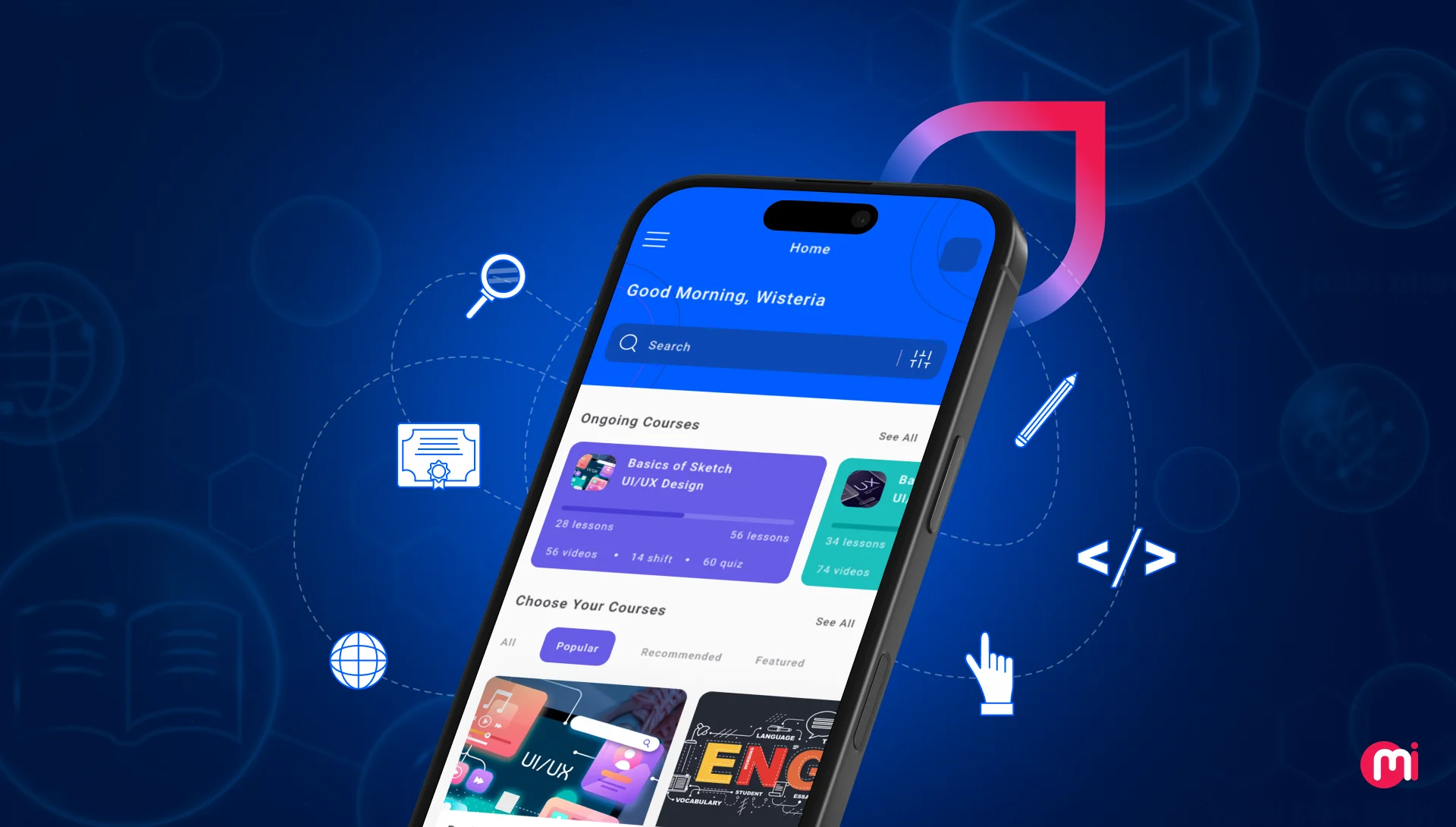
The Rise of Online Education: A Comprehensive Guide to eLearning App Development
The landscape of education is rapidly evolving, with online education and eLearning taking center stage. The increasing use of mobile phones and tablets has contributed to a surge in digital learning, allowing people to access educational content on the go.
This shift highlights the transformative role of digital apps in the realm of education. In this article, we will delve into the world of eLearning app development, exploring the trends, types, benefits, development process, essential features, costs, and more.
According to research, the global mobile learning market is expected to reach USD 604.8 billion by 2033, growing at a CAGR of 24.01% from 2024 to 2033. This growth signifies the significant impact of education software development on modern learning practices.
eLearning apps, particularly those designed for children, are revolutionizing the traditional boundaries of learning by providing accessible study materials anytime, anywhere. These apps address key challenges in education, delivering personalized content and reshaping the learning landscape.
By embracing the latest trends in eLearning, institutions and organizations are adopting new methods of content delivery through feature-rich eLearning apps. As a result, eLearning mobile app development services have become essential in the education sector.
In this guide, we will cover everything you need to know about eLearning app development, including trends, types, benefits, development steps, essential features, costs, and more. Join us as we explore the world of eLearning apps in this comprehensive guide.
Key Takeaways
- eLearning apps provide educational and training experiences through electronic devices.
- Trends shaping eLearning include AI, ML, big data, AR, MR, and VR.
- Types of eLearning apps include LMS, mobile apps, virtual classrooms, and more.
- eLearning apps offer benefits like enhanced reach, cost-effectiveness, customization, and real-time tracking.
What is eLearning App Development?
An eLearning app is a digital platform designed to deliver educational and training experiences through electronic devices such as smartphones, tablets, and computers. These apps leverage technology to provide a wide range of resources and self-paced learning opportunities.
Specialized eLearning solutions manage, deliver, and track learning processes for different user groups, including students, institutions, and teachers. These platforms support various functionalities tailored to specific needs.
Students
Students use eLearning platforms for learning, submitting assignments, taking quizzes, and engaging in discussions.
Institutions
Institutions use eLearning platforms to provide educational content, manage curricula, and schedule classes.
Teachers
Teachers use eLearning platforms to create and manage learning programs, upload materials, grade students, and track progress.
eLearning App Development Trends in 2026
As we enter 2026, the eLearning landscape is witnessing significant shifts driven by learner preferences and institutional needs. Let’s explore the key trends shaping eLearning app development:
Artificial Intelligence and Machine Learning Integration
AI and ML technologies are transforming eLearning apps by providing personalized experiences, automating tasks, and offering intelligent tutoring systems.
Features like automated graders, chatbots, adaptive learning, and predictive analysis enhance the learning experience by tailoring content to individual learners.
Big Data Influence on eLearning
Big data analysis plays a crucial role in improving learning outcomes by analyzing learner interactions, completion rates, and assessment scores. Educational institutions can leverage data insights to personalize learning paths and optimize training programs.
Augmented Reality (AR), Mixed Reality Learning (MR), and Virtual Reality (VR)
AR, MR, and VR technologies enhance eLearning experiences by providing interactive simulations, blending physical and digital worlds, and creating immersive environments for realistic training scenarios.
Main Types of eLearning Applications
Before diving into eLearning app development, it’s essential to understand the different types of eLearning apps available:
1. Learning Management System (LMS)
LMS platforms facilitate course administration, delivery, tracking, and reporting for educational institutions and businesses.
2. Course-based Learning Apps
Course-based apps offer structured learning materials and interactive lessons focused on specific subjects or skills.
3. Mobile Learning Apps
Mobile apps provide on-the-go access to educational content through features like videos, quizzes, and progress tracking.
4. Virtual Classrooms
Virtual classrooms enable live, interactive online classes with features like video conferencing and screen sharing.
5. Massive Open Online Courses (MOOCs)
MOOC platforms offer a variety of online courses from universities and experts, accessible to a global audience.
6. Corporate Training Apps
Corporate training apps help organizations enhance employee skills through training modules, assessments, and feedback.
7. Educational Games for Children
Interactive educational games engage children in learning activities, combining education with entertainment.
Benefits of eLearning Application Development
The adoption of eLearning apps offers numerous benefits to educational institutions and learners:
1. Enhanced Reach and Accessibility
eLearning apps reach a wider audience beyond physical locations, providing flexible access to educational content on various devices.
2. Cost-Effectiveness
eLearning apps reduce costs associated with traditional training methods by eliminating travel expenses and offering reusable content.
3. Customization
Customizable eLearning platforms cater to individual learner needs, enhancing engagement, knowledge retention, and alignment with organizational goals.
4. Real-time Progress Tracking and Analytics
Built-in tracking tools monitor learner progress, providing valuable insights for optimizing training programs and enhancing engagement.
5. Consistency and Standardization
eLearning apps ensure consistent delivery of training materials across different user groups, maintaining quality control and ensuring uniform learning experiences.
How to Develop an eLearning App: A Step-by-step Process
The development of an eLearning app involves careful planning and execution. Follow these steps to create a successful eLearning platform:
Step 1: Conduct Market Analysis
Research the eLearning market, identify your target audience, and analyze competitor strengths and weaknesses to position your app effectively.
Step 2: Set Your Goals
Determine the type of courses or content you will offer and define your unique value proposition to differentiate your app in the market.
Step 3: Work on UI/UX Design
Design a user-friendly interface tailored to your audience, ensuring easy navigation and engaging visuals.
Step 4: MVP Development
Develop a Minimum Viable Product (MVP) with core features to validate your app idea and gather user feedback.
Step 5: Choose the Monetization Method
Select a monetization strategy, such as course fees, subscriptions, or advertising, to generate revenue from your eLearning app.
Step 6: Testing Support
Thoroughly test your app for bugs and usability issues to ensure a seamless user experience before launching it to the market.
Must-have Features in your eLearning App
Key features to include in your eLearning app for a comprehensive learning experience:
1. Registration and Account Management
Allow users to sign up, log in, and manage their profiles to track progress and customize settings.
2. Course Catalogue and Search Functionality
Provide a list of courses and modules with a search function for easy navigation and filtering.
3. Content Management System
Integrate a system to upload and manage learning materials, including videos, PDFs, and quizzes.
4. Interactive Quizzes and Assessments
Offer interactive quizzes to test understanding and provide feedback to enhance learning outcomes.
5. Progress Tracking
Display user progress through completion bars, badges, and percentage indicators to motivate learners.
6. Integrated Payment System
Enable secure payment options for premium content, subscriptions, and other monetization models.
7. User Feedback and Ratings
Encourage user feedback and ratings to improve course content and instructor performance.
8. Dashboard & Analytics
Provide users with a dashboard to track achievements, course completion, and performance metrics through analytics.
9. Technical Support and Help Center
Offer accessible support options like FAQs and chatbots to assist users with queries and issues.
10. Integration with Other Tools
Integrate with third-party resources, calendars, or job boards to enhance the value of your eLearning platform.
How Much Does it Cost to Develop an eLearning App?
The cost of eLearning app development varies based on complexity and features. A basic MVP may cost $30,000 to $50,000+, while a full-featured app can range from $80,000 to $150,000+. Additional post-launch expenses include maintenance, updates, and marketing.
Real World Examples of Successful E-learning Apps
Some successful eLearning apps include:
1. Duolingo
An educational technology company offering language learning apps and certifications.
2. Udemy
A platform for course creation and skill acquisition through online courses.
3. Coursera
A provider of online courses from top universities and experts worldwide.
How Can MindInventory Help You with eLearning App Development
As a leading education software development company, MindInventory specializes in creating user-friendly eLearning apps aligned with the latest trends. Our team focuses on delivering engaging experiences, essential features, and innovative solutions to help you succeed in the eLearning industry.
FAQs on eLearning App Development
Building a simple MVP may take 2-3 months, while a full-featured app can take 6-9 months based on complexity.
Popular choices include React Native or Flutter for cross-platform apps, Node.js and Django for backend, AWS/Google Cloud for hosting, and MongoDB for the database.
Essential features include dashboards, video lectures, quizzes, progress tracking, and offline access. Advanced features may include AI tutors, AR/VR classrooms, and personalized learning paths.













Porsche 911 GT3 RS Facelift: Unveiling the 992.2 Model in August 2026

Bearlyfy Strikes Russian Companies with Unique GenieLocker Ransomware Attack

Innovative Ventures: The 8 Startups Investors Can’t Resist from YC Demo Day

The Future of iPhone Cameras: Is a 200 MP Lens Coming Soon?

Celebrating the First iX3 Delivery at BMW’s Debrecen Factory

iPhone 12 Pro Max vs Samsung Note 20 Ultra / Huawei / Xiaomi / OnePlus Battery Life DRAIN Test.

Stealthy Malware: The Hidden Threat Within Telnyx PyPI Package

Harvest of Suspicion: Grave Seasons Murder Mystery Farming Sim Arrives in August

Tech Giants Clash: OpenAI Halts Sora as Meta Faces Legal Setback

EU Takes Action Against Instagram and Facebook for Violating Illegal Content Rules

Warning: Facebook Creators Face Monetization Loss for Stealing and Reposting Videos

Facebook Compliance: ICE-tracking Page Removed After US Government Intervention

Facebook’s New Look: A Blend of Instagram’s Style

Facebook and Instagram to Reduce Personalized Ads for European Users

InstaDub: Meta’s AI Translation Tool for Instagram Videos

Reclaim Your Account: Facebook and Instagram Launch New Hub for Account Recovery

Meta discontinues Messenger apps for Windows and macOS

Breaking Updates: Meta Connect 2025 Unveils Latest Developments
iPhone 12 Pro Max vs Samsung Note 20 Ultra / Huawei / Xiaomi / OnePlus Battery Life DRAIN Test.

The BEST Smartphone of 2020 🏆

The Self-Healing Smartphones!

Apple is not what it used to be.

Smartphones are Boring now.

The Fastest Android Phone Ever.

Unboxing the $122,000 Smartphone. 🤯

Are Linux Smartphones about to KILL Android?

15 Smartphone FAILS to ruin your day 😂
-
 Facebook5 months ago
EU Takes Action Against Instagram and Facebook for Violating Illegal Content Rules
-
 Facebook5 months ago
Warning: Facebook Creators Face Monetization Loss for Stealing and Reposting Videos
-
 Facebook5 months ago
Facebook Compliance: ICE-tracking Page Removed After US Government Intervention
-
 Facebook4 months ago
Facebook’s New Look: A Blend of Instagram’s Style
-
 Facebook4 months ago
Facebook and Instagram to Reduce Personalized Ads for European Users
-
 Facebook5 months ago
InstaDub: Meta’s AI Translation Tool for Instagram Videos
-
 Facebook4 months ago
Reclaim Your Account: Facebook and Instagram Launch New Hub for Account Recovery
-
 Apple5 months ago
Meta discontinues Messenger apps for Windows and macOS
