
Microsoft
Microsoft’s Commitment to AI Data Center Sustainability: Full Power Coverage and Tax Break Rejection

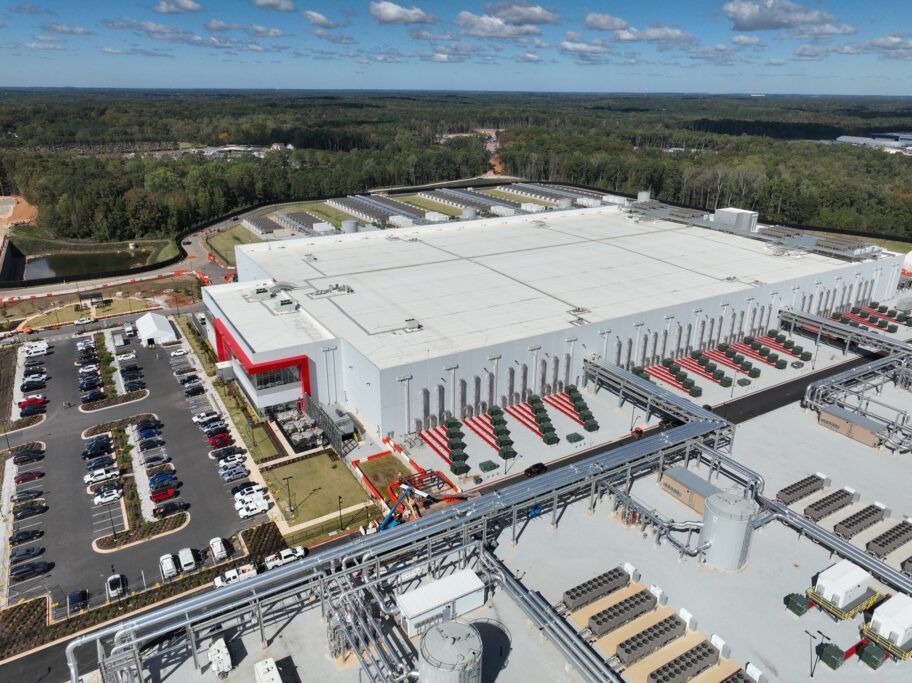
Microsoft Revolutionizes Data Center Approach with “Community-First” Initiative
Recent statements by President Trump regarding Microsoft have revealed only a fraction of the company’s groundbreaking plans.
In response to mounting concerns from communities nationwide over increased electricity costs and water scarcity, Microsoft is embarking on a radical shift in its data center construction strategy, introducing the “community first” initiative.
Unveiled in Washington, D.C., the new approach includes commitments to cover the full cost of power consumption, forgo local property tax incentives, implement water replenishment initiatives, provide local workforce training, and invest in AI education and community projects.
Brad Smith, Microsoft’s President and Vice Chair, emphasized the necessity of evolving the sector’s practices to align with changing societal expectations, labeling the shift as both ethical and strategic.
President Trump’s social media post hinted at Microsoft’s impending transformation, citing collaboration with tech companies to prioritize American interests. He commended Microsoft for its proactive stance in ensuring that the burden of power consumption does not fall on the public.
Challenges in AI Expansion
Microsoft’s strategic pivot comes at a pivotal moment in the tech industry’s trajectory.
Major players like Amazon, Google, and Microsoft are heavily investing in AI infrastructure, but the success of these ventures hinges on community cooperation, which is increasingly met with skepticism due to rising costs and environmental concerns.
Smith revealed that Microsoft has been shaping this initiative since September, driven by evolving public sentiment observed during community engagements in Wisconsin. The shifting focus from job creation to electricity prices and water usage underscored the urgent need for a new approach.

Concerns about escalating residential power prices in data center hubs like Virginia and Ohio have prompted congressional scrutiny, with senators investigating tech giants’ impact on electricity bills. Microsoft’s proactive stance aims to address these issues head-on.
Microsoft’s Commitment to Change
Microsoft’s revised strategy marks a departure from past practices, where the company sought tax incentives for data center projects. Smith emphasized a newfound commitment to transparency and community engagement, signaling a fundamental shift in industry norms.
The company’s initiatives include enhancing water efficiency, investing in workforce development, paying full property taxes, and fostering AI education in local communities.
Smith acknowledged the industry’s historical lack of transparency in land acquisition and operational practices, stressing the importance of building strong relationships with local stakeholders for long-term success.
While positioning Microsoft as a trailblazer in this space, Smith also credited Amazon for its contributions, emphasizing the collective responsibility of the industry to set higher standards.
Microsoft’s plan prioritizes addressing electricity costs, collaborating with utilities to ensure fair pricing and investing in grid upgrades to support sustainable operations.
- Targeting a 40% improvement in water efficiency by 2030, with a commitment to replenish more water than consumed in each operating district.
- Establishing apprenticeship programs in collaboration with North America’s Building Trades Unions and expanding the Datacenter Academy for skills training.
- Pledging full payment of local property taxes and refraining from seeking municipal tax breaks.
- Integrating AI education initiatives in schools, libraries, and chambers of commerce, alongside the establishment of Community Advisory Boards at key data center sites.
Investment in AI Infrastructure
While Microsoft has not disclosed the financial scope of these initiatives, the company’s capital expenditures have been substantial, reflecting a commitment to sustainable growth.

Smith reiterated Microsoft’s unwavering commitment to follow through on these promises, emphasizing the integration of resources and expertise to execute the plan effectively.
While supporting federal assistance in permitting and land access, Smith highlighted the company’s self-sufficiency in managing electricity costs, underscoring the significance of local engagement in addressing community concerns.
Microsoft’s collaboration with the Department of Labor on workforce development programs underscores its holistic approach to fostering sustainable growth and community empowerment.
Looking ahead, Microsoft plans to unveil specific community partnerships coinciding with America’s 250th anniversary, reaffirming its dedication to driving positive change through innovative AI infrastructure.













Ultimate Efficiency: JAC Hunter PHEV Ute Challenges BYD Shark 6 with Improved Fuel Economy and Range

Smartphones are Boring now.

Unbeatable Savings: Top Picks from Amazon’s Big Spring Sale

Russian Hacker Sentenced to Prison for Cyberattacks Conducted by TA551 Botnet

Pixel 9a: Enhanced Fingerprint Sensor and Unbeatable Price Drop

Unlocking Success: The Essential Elements of a Thriving Business

The Final Frontier: For All Mankind Season 6

Lyria 3 Pro: Crafting Catchy Three-Minute AI Jams

Samsung Galaxy A57 Review: The Ultimate Choice for Everyday Use

EU Takes Action Against Instagram and Facebook for Violating Illegal Content Rules

Warning: Facebook Creators Face Monetization Loss for Stealing and Reposting Videos

Facebook Compliance: ICE-tracking Page Removed After US Government Intervention

Facebook’s New Look: A Blend of Instagram’s Style

Facebook and Instagram to Reduce Personalized Ads for European Users

InstaDub: Meta’s AI Translation Tool for Instagram Videos

Reclaim Your Account: Facebook and Instagram Launch New Hub for Account Recovery

Meta discontinues Messenger apps for Windows and macOS

Breaking Updates: Meta Connect 2025 Unveils Latest Developments
Smartphones are Boring now.

The Fastest Android Phone Ever.

Unboxing the $122,000 Smartphone. 🤯

Are Linux Smartphones about to KILL Android?

15 Smartphone FAILS to ruin your day 😂

World’s Biggest Smartphone Collection?

I switched to iPhone – This is what I found out.

What happened to Beats by Dre?

DON’T buy a Screen Protector before watching this.
-
 Facebook5 months ago
EU Takes Action Against Instagram and Facebook for Violating Illegal Content Rules
-
 Facebook5 months ago
Warning: Facebook Creators Face Monetization Loss for Stealing and Reposting Videos
-
 Facebook5 months ago
Facebook Compliance: ICE-tracking Page Removed After US Government Intervention
-
 Facebook4 months ago
Facebook’s New Look: A Blend of Instagram’s Style
-
 Facebook4 months ago
Facebook and Instagram to Reduce Personalized Ads for European Users
-
 Facebook5 months ago
InstaDub: Meta’s AI Translation Tool for Instagram Videos
-
 Facebook4 months ago
Reclaim Your Account: Facebook and Instagram Launch New Hub for Account Recovery
-
 Apple5 months ago
Meta discontinues Messenger apps for Windows and macOS
