
Tech News
Navigating the Cloud: A Deep Dive into Cloud Computing for Manufacturing

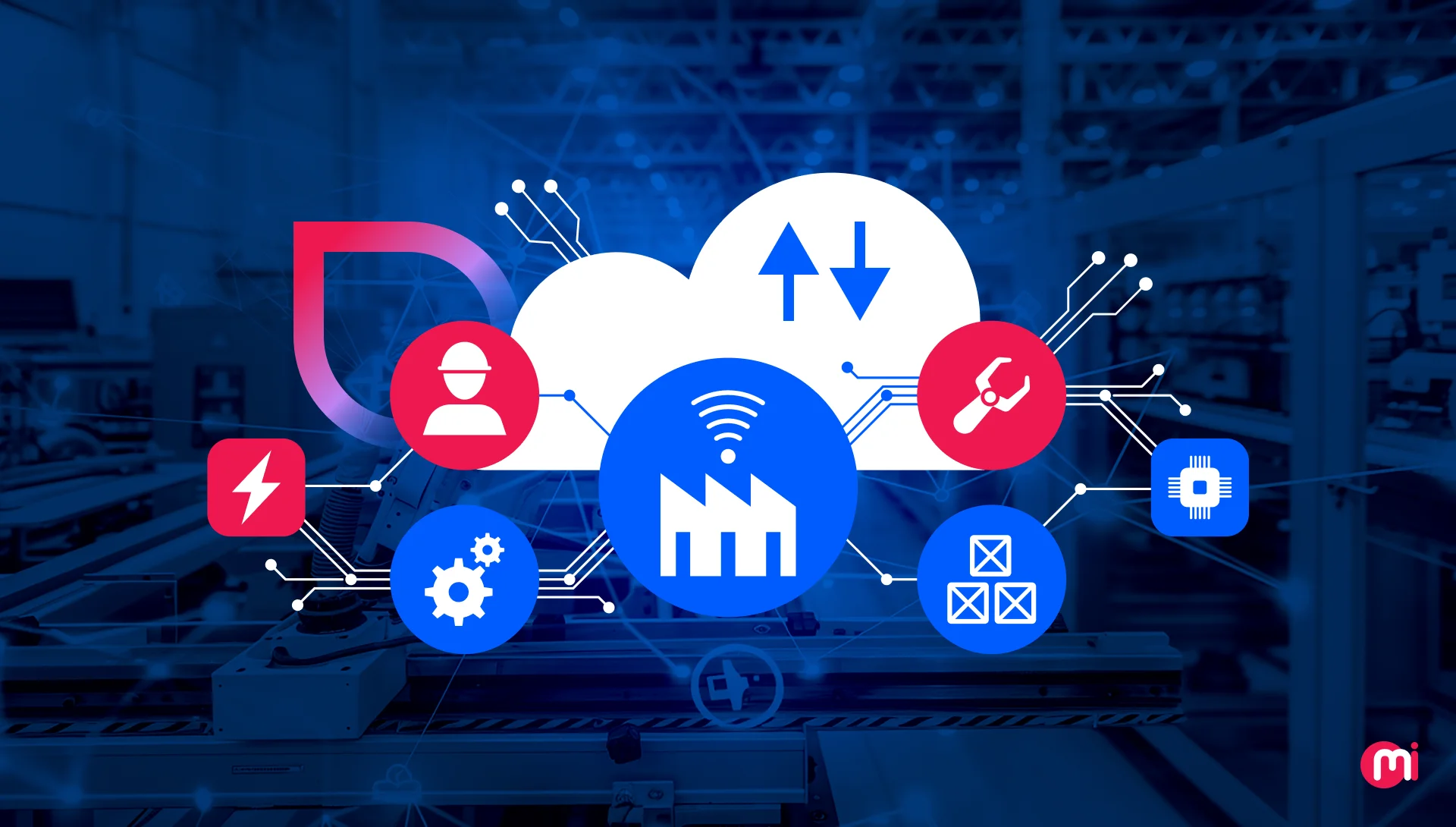
If you operate in the manufacturing sector, you are well aware of the significance of gaining real insights. Neglecting this could result in disjointed systems, delayed decision-making, and manual mistakes.
But fear not, as cloud computing is revolutionizing the manufacturing industry. It offers advantages such as increased efficiency, cost reduction, and improved collaboration, covering a wide range of needs.
The global cloud computing market size was estimated at USD 943.65 billion in 2025, projected to reach USD 3,349.61 billion by 2033, with a CAGR of 16.1% from 2026 to 2033.
These figures clearly demonstrate that cloud computing is becoming the foundation for many modern businesses. Organizations that delay or overlook cloud adoption risk falling behind in a market growing at over 16% annually.
It is now evident that the manufacturing sector must view cloud not merely as a cost item, but as a tool for achieving measurable business outcomes like reduced downtime, lower maintenance costs, agile changeovers, enhanced quality analytics, and improved collaboration with partners.
Cloud technology is reshaping the manufacturing landscape, enabling businesses to adapt, progress, and lead in a fast-evolving market. With final products becoming increasingly software-driven and interconnected, manufacturers are leveraging cloud-based solutions to enhance efficiency over traditional in-house data centers.
Let’s delve into the role of cloud computing in manufacturing and explore more about its impact.

Key Takeaways
- Cloud computing enhances efficiency and decision-making in manufacturing by enabling real-time data collection, processing, and sharing.
- Manufacturers utilize cloud computing to integrate machines, sensors, MES, ERP, and supply chain for planning, monitoring, and predictive maintenance.
- Cloud computing in manufacturing offers benefits like scalability, flexibility, cost reduction, real-time data access, security, compliance, supply chain management, and collaboration.
- Real-life applications of cloud computing in manufacturing include supply chain management, inventory management, predictive maintenance, production planning, quality management, and smart factory operations.
- The future of cloud computing in manufacturing focuses on AI-native platforms, edge cloud hybrids, and specialized solutions for autonomous factories, generative AI, and sustainability.
What is the Role of Cloud Computing in Manufacturing?
Cloud computing plays a crucial role in manufacturing by enabling real-time data collection, processing, and sharing, enhancing efficiency and decision-making.
It supports advanced applications like MES, digital twins, and remote monitoring without the need for heavy upfront IT investments.
Furthermore, cloud computing in manufacturing unlocks benefits such as rapid service deployment, scalability, and integration with AI and IoT tools for improved quality and resource utilization.
How do Manufacturers Use Cloud Computing?
Manufacturers leverage cloud computing to connect machines, sensors, MES, ERP, and supply chain systems for real-time data sharing and better planning.
Common applications include remote equipment monitoring, digital twins, and production analytics accessible from any location.
Cloud computing supports AI-driven quality inspection, predictive maintenance, and automated workflows, enhancing innovation and scalability.
This approach eliminates on-premise infrastructure burdens, promotes innovation, and enables deployment across multiple plants.
Advantages of Using Cloud Computing in Manufacturing
Cloud computing in manufacturing delivers scalability, flexibility, cost reduction, real-time visibility, and secure data management across projects and partners.
1. Scalability and Flexibility
Manufacturers can easily scale computing, storage, and analytics capacity based on demand fluctuations, avoiding overprovisioning.
This enables rapid deployment of new applications like IoT analytics and digital twins across multiple sites.
Flexible cloud platforms support hybrid and multi-cloud setups, integrating with legacy systems while modernizing workflows.
Cloud computing enhances agility in entering new markets, launching products, and responding to market shifts.
2. Cost Reduction and Operational Efficiency
Cloud technology reduces upfront capital investments in infrastructure, allowing pay-as-you-go models for resources used.
Automation, integrated workflows, and centralized updates minimize downtime, manual effort, and IT overhead while improving equipment effectiveness.
Offloading infrastructure management to cloud providers frees resources for process improvement and innovation.
3. Real-Time Data Access and Monitoring
Cloud computing enables real-time data collection and analysis from machines, sensors, and production systems, improving responsiveness.
Cloud dashboards monitor KPIs like cycle time, defect rates, and energy consumption globally, supporting predictive maintenance and production optimization.
AI integration optimizes production schedules, reduces downtimes, and enhances forecast accuracy.
4. Data Security and Compliance
Cloud setups use encryption, access management, and network segmentation to protect sensitive data.
Providers invest in robust security measures and compliance certifications to ensure data protection and regulatory alignment.
Continuous monitoring and centralized security policies detect threats faster than fragmented systems.
5. Enhanced Collaboration and Data Sharing
Cloud collaboration tools facilitate communication and information sharing among dispersed teams, suppliers, and partners.
Standardized data models reduce silos and inconsistencies, integrating with warehouse and analytics solutions for unified operations.
Integration with warehouse and analytics solutions streamlines continuous improvement across the value chain.
Real-Life Use Cases of Cloud Computing in Manufacturing
Cloud computing powers real-life use cases like supply chain management, inventory management, predictive maintenance, production planning, ERP, quality management, and smart factory operations.
These applications help cut costs, improve uptime, and enable data-driven decisions at scale.
1. Supply Chain Management
End-to-end supply chain visibility allows tracking inventory, supplier performance, and logistics in real time across regions.
Analyzing data helps optimize procurement, reduce lead times, and enhance resilience.
Integration with partners streamlines collaboration and documentation.
2. Inventory Management
Centralized view of stock levels and movements reduces stockouts and overstock.
Automation and demand forecasting models optimize replenishment and safety stock.
Barcode/IoT tracking provides real-time updates on material consumption.
3. Predictive Maintenance and Quality Control
Aggregate data for predictive maintenance identifies anomalies and extends asset life.
AI-driven inspection and root cause analysis improve quality control.
Scalable inspection and defect detection systems enhance quality control.
4. Production Planning and Execution
Production planning analyzes orders, capacity, and constraints for optimized schedules.
Real-time adjustments ensure efficient production as demand or resources change.
Unified visibility into work-in-progress and resource utilization enhances productivity.
5. Enterprise Resource Planning
Cloud-based ERP centralizes operations like order management, production tracking, and product data.
Real-time visibility simplifies operations, integration, and scalability across regions and products.
Modernizing ERP landscapes with cloud services streamlines operations.
6. Quality Management
Cloud-based quality systems monitor production quality and compliance in real time.
Standardized data improves traceability and compliance.
Advanced analytics identify recurring issues and process variations.
7. Smart Factory Operations
Smart factory operations integrate IoT for monitoring and control.
Real-time analytics optimize throughput, energy use, and resource allocation.
Cloud platforms synchronize applications for seamless material flows.
The Future of Cloud Computing in Manufacturing
The future of cloud computing in manufacturing focuses on AI platforms, edge cloud hybrids, and 5G integration for smart and autonomous factories.
Cloud adoption for generative AI, predictive analytics, and sustainability will drive manufacturing advancements.
AI-driven predictive maintenance, blockchain integration, and collaborative design platforms offer new opportunities.
Cloud computing will prioritize sustainability and efficiency through advanced technologies.

Conclusion
Manufacturers are embracing cloud computing to drive innovation, adapt quickly, and gain a competitive edge.
Cloud technology in manufacturing streamlines supply chains, enables predictive maintenance, and empowers smart factories with real-time insights.
From cost savings to scalability and integration with AI tools, cloud computing offers a range of benefits.
For those considering cloud integration in manufacturing, MindInventory provides comprehensive solutions. Contact our experts to transform your operations and lead in the industry.
FAQs on Cloud Computing in Manufacturing
Cloud computing in manufacturing involves web-based services for storing, managing, and accessing data and applications related to production processes. It enables manufacturers to access computing resources over the internet instead of relying on on-site infrastructure.
Types of cloud computing for manufacturers include Software as a Service (SaaS), Public Cloud, Private Cloud, and Hybrid Cloud. These models offer versatile infrastructure solutions for manufacturing firms.
Challenges of cloud computing in manufacturing include data security, integration with legacy systems, and performance issues. Overcoming these challenges involves implementing robust security measures, seamless integration solutions, and optimizing network architecture.













Lawsuit Filed Against Amazon for Unauthorized Use of YouTuber Content to Train Nova Reel AI

Exploiting Vulnerable Drivers: Qilin and Warlock Ransomware’s Takedown of 300+ EDR Tools

Unleashing the Full Power of Pillars of Eternity: Turn-Based Mode Unleashed!

Exclusive: Honor 600 Pro Unveiled – Design and Specs Leak Ahead of Confirmed Release Date

Final Countdown: Save Big on Disrupt 2026 Passes!

Return of the Dark Matter: A Sci-Fi Thriller Reimagined

Revolutionizing European Transportation: IH-MIE’s Impact on Hydrogen Mobility

The UK’s Strategic Decision: Why Anthropic’s Stance on AI Arms Control is Crucial

Revolutionizing Android Phones with Turbo Charging Upgrades

EU Takes Action Against Instagram and Facebook for Violating Illegal Content Rules

Warning: Facebook Creators Face Monetization Loss for Stealing and Reposting Videos

Facebook Compliance: ICE-tracking Page Removed After US Government Intervention

Facebook’s New Look: A Blend of Instagram’s Style

Facebook and Instagram to Reduce Personalized Ads for European Users

InstaDub: Meta’s AI Translation Tool for Instagram Videos

Reclaim Your Account: Facebook and Instagram Launch New Hub for Account Recovery

Meta discontinues Messenger apps for Windows and macOS

Breaking Updates: Meta Connect 2025 Unveils Latest Developments

I bought every Galaxy Note ever.

Samsung and Google are at War.

OnePlus 7 Pro in 2020 – Wow.

Poco X3 – The Shady Truth.

Huawei is replacing Android.

14 MEGA Smartphone Fails we’ll never forget.

Why Samsung’s Transparent Phone will fail.

6G – Explained!

Is Samsung about to take over?
-
 Facebook5 months ago
EU Takes Action Against Instagram and Facebook for Violating Illegal Content Rules
-
 Facebook6 months ago
Warning: Facebook Creators Face Monetization Loss for Stealing and Reposting Videos
-
 Facebook6 months ago
Facebook Compliance: ICE-tracking Page Removed After US Government Intervention
-
 Facebook4 months ago
Facebook’s New Look: A Blend of Instagram’s Style
-
 Facebook4 months ago
Facebook and Instagram to Reduce Personalized Ads for European Users
-
 Facebook6 months ago
InstaDub: Meta’s AI Translation Tool for Instagram Videos
-
 Facebook4 months ago
Reclaim Your Account: Facebook and Instagram Launch New Hub for Account Recovery
-
 Apple6 months ago
Meta discontinues Messenger apps for Windows and macOS
