
Inovation
Navigating the Future: Striking a Balance between AI Advancements and Security

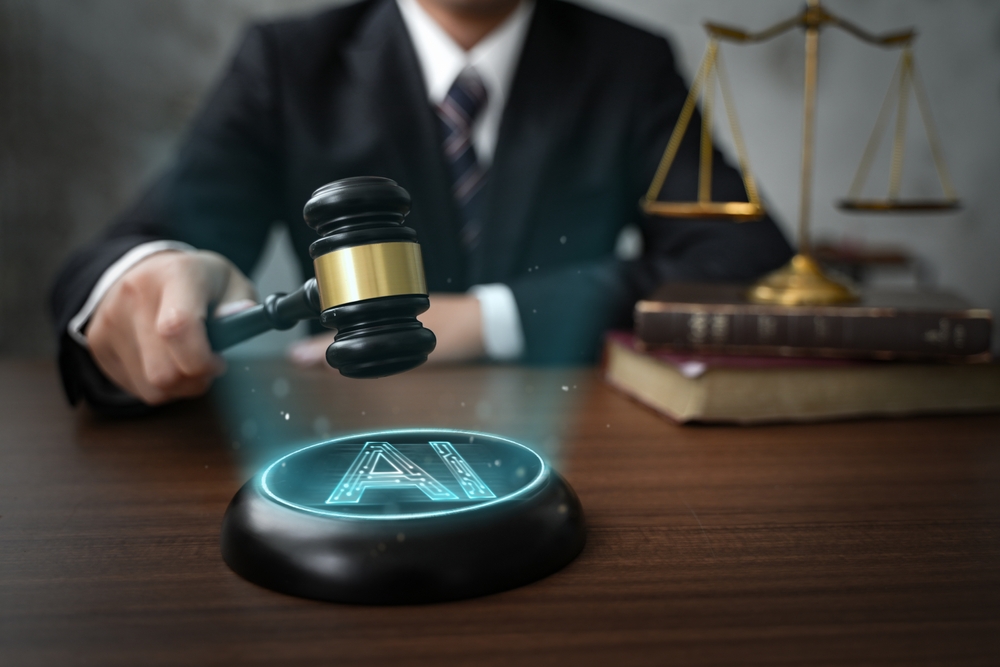
The Intersection of AI and Regulation: Navigating Innovation and Governance in 2026
As the realm of artificial intelligence (AI) continues to revolutionize various sectors and daily life, governments worldwide are in a race to establish frameworks that uphold societal protection while fostering innovation.
The concept of AI regulation has swiftly transitioned from a distant prospect to an urgent necessity, with notable laws coming into effect, ongoing policy debates, and novel governance structures taking form.
By 2026, finding a delicate balance between innovation and safety will be a paramount challenge in the digital era.
AI’s Current Landscape: Striking a Balance Between Innovation and Oversight
The utilization of AI technologies, encompassing expansive language models, autonomous systems, and advanced analytics, has become ubiquitous across industries like finance, healthcare, law, and creative fields.
However, the rapid deployment of AI often outpaces the regulatory frameworks designed to oversee its operations. Critical issues related to transparency, bias, accountability, and risk are increasingly pressing as AI systems influence real-world decisions and outcomes.
Experts caution that without meticulous regulation, public trust and safety could be compromised. Yet, excessively stringent rules might impede growth and competitiveness.
This tension forms the crux of discussions in 2026: how to safeguard citizens without hindering innovation.
Global Perspectives on AI Regulation
Various regions around the world are adopting divergent approaches to AI regulation:
- European Union: The EU’s groundbreaking AI Act, under development for years, will see phased implementation intensifying throughout 2026 and beyond. It follows a risk-based model, focusing on high-risk AI applications (e.g., biometric identification, healthcare diagnostics, critical infrastructure) with stringent compliance requirements.
- United States: In the absence of comprehensive federal AI legislation, individual states are taking independent actions. California has enacted strict laws regarding AI safety and transparency, mandating public reporting of safety incidents and risk assessments. Other states like New York are advocating for similar regulatory frameworks.
- Asia: South Korea is set to enforce its AI Basic Act early in 2026, potentially leading the way in operationalizing binding AI governance. China remains active in advocating for global AI governance dialogues and a multinational safety framework.
This patchwork of regulations underscores the urgency and complexity of globally governing AI.
Upholding Human Rights in AI Development
At its essence, AI regulation revolves around aligning cutting-edge technology with fundamental ethical principles. Regulators are increasingly prioritizing the protection of human rights, privacy, fairness, and non-discrimination.
For instance, the EU’s regulatory framework integrates the AI Act, the GDPR (General Data Protection Regulation), and other directives to establish norms for transparent and ethical AI design.
These frameworks aim not only to mitigate risks such as algorithmic bias or privacy breaches but also to reinforce public confidence.
Similarly, the Framework Convention on Artificial Intelligence, an international treaty endorsed by the Council of Europe, aims to ensure AI development aligns with democratic values and human rights.
As AI systems assume larger roles in areas like recruitment, lending, and law enforcement, ethical governance will remain pivotal in regulatory discourse.
Sector-Specific Focus: Tailoring AI Regulation for Key Industries
AI regulation is not a one-size-fits-all approach – certain sectors necessitate more stringent oversight:
- Financial Services: AI-powered trading, credit scoring, and fraud detection pose risks like systemic instability, opaque decision-making, and discriminatory lending. Legal analyses emphasize the need for adaptable regulatory frameworks that balance innovation with consumer protection.
- Healthcare and Medical Devices: AI tools used for diagnosis or treatment fall under high-risk categories and will encounter rigorous compliance assessments under frameworks like the EU AI Act.
- Public Safety: Surveillance systems, predictive policing tools, and autonomous vehicles spark intricate discussions regarding civil liberties and public accountability.
By 2026, regulators will increasingly tailor AI requirements based on sector-specific risks, often in collaboration with industry stakeholders.
Promoting Innovation While Ensuring Responsible Growth
A central challenge of AI regulation is finding the right equilibrium between accountability and innovation.
Excessively rigid regulations could impede technological advancement, drive startups out of markets, or concentrate power among few dominant entities.
Industry leaders and policymakers stress the significance of adaptive, innovation-friendly frameworks that stimulate creativity while managing risks prudently.
Some experts advocate for principles-based AI regulation and voluntary safety commitments that complement formal legal requirements.
However, critics caution that voluntary measures alone may not suffice to address systemic issues like misinformation, privacy violations, and algorithmic bias.
A hybrid model – integrating baseline legal standards with flexible, sector-specific guidelines – could offer the most pragmatic way forward.
Enforcement and Compliance: Preparing for a New Regulatory Era
As AI regulation solidifies, enforcement mechanisms and compliance strategies are taking center stage:
- Penalties and Oversight: Under the AI Act, companies operating within the EU could face substantial fines for non-compliance, encouraging early alignment with regulatory standards.
- Transparency and Incident Reporting: Laws in US states like California mandate public disclosure of safety practices and significant AI failures, shifting responsibility towards developers and implementers.
- AI Literacy and Governance Structures: Businesses increasingly require interdisciplinary teams, encompassing legal, tech, and ethics experts, to oversee regulatory compliance and risk. Training programs and internal oversight bodies are rapidly becoming standard practice.
Investors and board members are also recognizing the importance of good governance and compliance as vital components of corporate strategy, not merely regulatory obligations.
The Future of AI Regulation in 2026 and Beyond
The trajectory of AI regulation will not halt in 2026 – it will continue to evolve, adapt, and broaden:
- Global Engagement: High-level summits like the AI Impact Summit (scheduled in Delhi in February 2026) aim to progress discussions from safety to tangible implementation outcomes and international cooperation.
- Harmonization Efforts: With the proliferation of multiple regulatory frameworks, there will be mounting pressure to standardize norms across borders – a crucial step for global innovation and trade.
- Sectoral Expansion: As regulators accrue experience, sector-specific regulations in domains like autonomous transportation, digital content moderation, and AI-enhanced biotechnology will emerge.
In 2026, AI regulation stands at a pivotal juncture. Well-crafted policies can safeguard society, cultivate trust, and unlock the next wave of technological advancements. Yet, missteps – whether due to excess or inaction – risk undermining the very innovation they seek to govern.
For policymakers, industry leaders, and innovators, the objective is clear: establish an AI ecosystem that is secure, ethical, and forward-thinking. Achieving this goal will demand courage, collaboration, and a willingness to evolve alongside the technology itself.













Critical Flaw in Smart Slider Plugin Puts 500K WordPress Sites at Risk

Exclusive Deal: PS5 Pro Price Jumping to £789 Next Week!

Lunar Love: How Watch Club Aims to Dominate the Werewolf Romance Market

Revolutionizing Technology: How the Macintosh Forever Transformed the World of Computers

Tech Savvy Heroes: AirTag Child Rescue, DarkSword Hack, and More Adventures

Chinese Brand’s Newest Small Electric Hatch Sets Safety Standard with Anticipated Five-Star Rating

The Unforeseen Lessons: A Microsoft VP’s Journey from India to the Age of AI

Cloudflare Evasion: How Phishing Targets TikTok Business Accounts Through Turnstile Tactics

The Unfair Boundaries of Genre: A Conversation with the Original Stalker Designer on Eurojank in International Games

EU Takes Action Against Instagram and Facebook for Violating Illegal Content Rules

Warning: Facebook Creators Face Monetization Loss for Stealing and Reposting Videos

Facebook Compliance: ICE-tracking Page Removed After US Government Intervention

Facebook’s New Look: A Blend of Instagram’s Style

Facebook and Instagram to Reduce Personalized Ads for European Users

InstaDub: Meta’s AI Translation Tool for Instagram Videos

Reclaim Your Account: Facebook and Instagram Launch New Hub for Account Recovery

Meta discontinues Messenger apps for Windows and macOS

Breaking Updates: Meta Connect 2025 Unveils Latest Developments

iPhone 12 Pro Max Unboxing & Review!

iPhone 12 Pro Max vs Samsung Note 20 Ultra / Huawei Mate 40 Pro Camera Test Comparison.

iPhone 12 Pro Max vs Samsung Note 20 Ultra / Huawei / Xiaomi / OnePlus Battery Life DRAIN Test.

The BEST Smartphone of 2020 🏆

The Self-Healing Smartphones!

Apple is not what it used to be.

Smartphones are Boring now.

The Fastest Android Phone Ever.

Unboxing the $122,000 Smartphone. 🤯
-
 Facebook5 months ago
EU Takes Action Against Instagram and Facebook for Violating Illegal Content Rules
-
 Facebook6 months ago
Warning: Facebook Creators Face Monetization Loss for Stealing and Reposting Videos
-
 Facebook6 months ago
Facebook Compliance: ICE-tracking Page Removed After US Government Intervention
-
 Facebook4 months ago
Facebook’s New Look: A Blend of Instagram’s Style
-
 Facebook4 months ago
Facebook and Instagram to Reduce Personalized Ads for European Users
-
 Facebook6 months ago
InstaDub: Meta’s AI Translation Tool for Instagram Videos
-
 Facebook4 months ago
Reclaim Your Account: Facebook and Instagram Launch New Hub for Account Recovery
-
 Apple5 months ago
Meta discontinues Messenger apps for Windows and macOS
