
Tech News
Navigating the Path to Application Modernization: A Comprehensive Guide

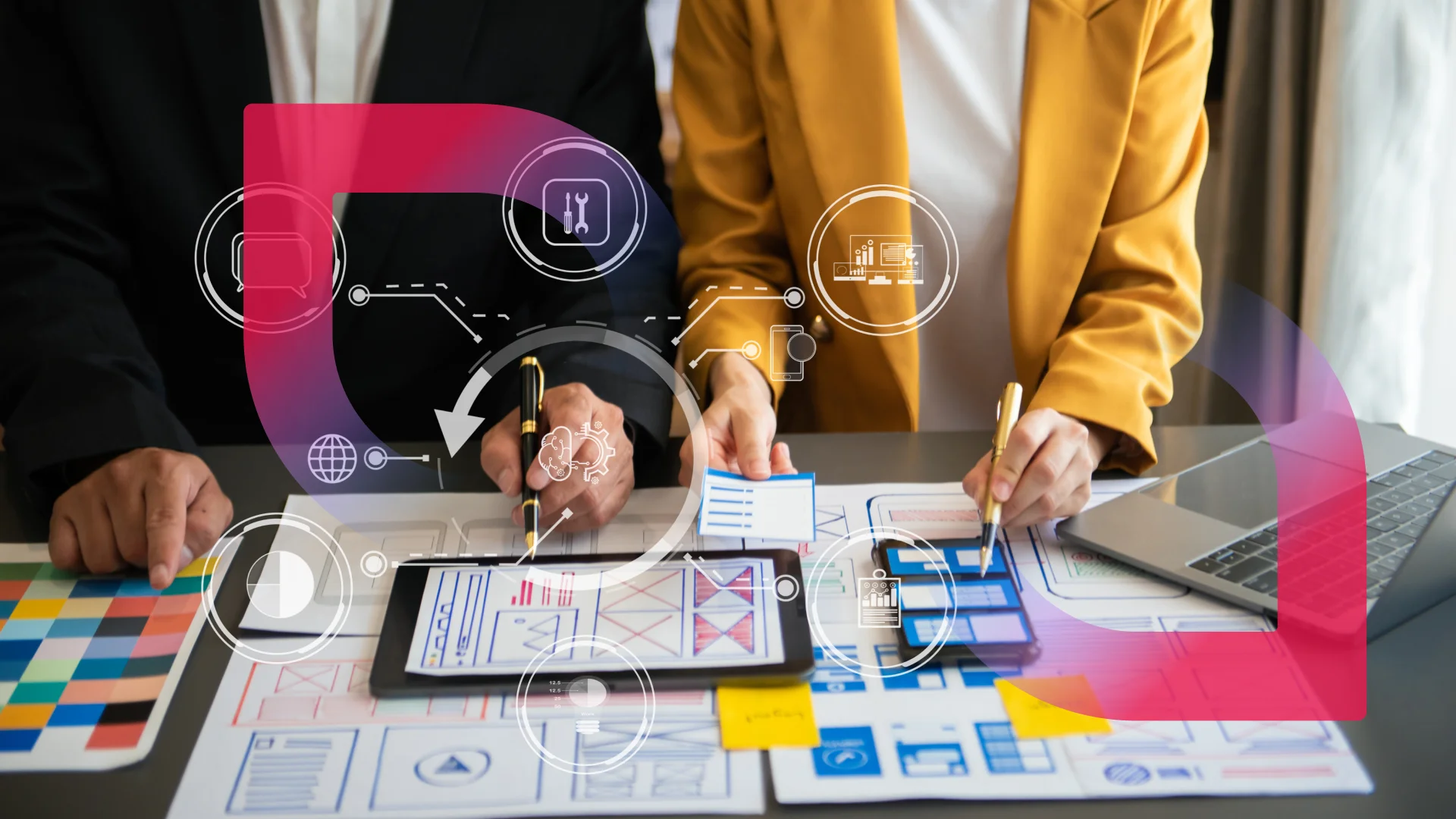
Application Modernization: A Comprehensive Strategy Guide
by Bhumi Goklani
The recent wave of digital transformation and technological advancement has prompted C-suite executives in many businesses to reconsider whether their existing software solutions have fallen into the ‘legacy’ category.
While these systems may still be operational and foundational to the business digitalization process, they often fail to exhibit healthy performance and operational efficiency KPIs. This trend is reflected in the global application modernization services market, which was valued at $17.80 billion in 2023 and is projected to grow at a CAGR of 16.7% from 2024 to 2030.
This growth underscores the increasing recognition of the need to upgrade and modernize legacy systems to stay competitive in a rapidly evolving technological landscape.
In this comprehensive application modernization strategy guide, we will explore the fundamental understanding, reasons to opt for it, considerations, technologies, implementation, challenges, and other relevant factors that make modernization a successful initiative.
Key Takeaways
- Enhance Agility and Performance: Modernizing legacy applications improves security, scalability, and operational efficiency, enabling organizations to innovate and stay competitive.
- Align with Business Objectives: Consider integration, compliance, data management, ROI, and realistic timelines to make modernization cost-effective and strategically impactful.
- Leverage the Right Technologies: Adopting cloud platforms, microservices, containerization, APIs, DevOps, modern databases, and AI/ML ensures scalable, future-ready, and high-performing applications.
- Follow a Structured Roadmap: A clear 9-step strategy, from assessing legacy systems to executing KPIs and optimizing continuously, reduces risks and aligns modernization with business goals.
- Overcome Key Challenges: Address technical complexities, skill gaps, and financial constraints proactively to ensure a smooth and successful modernization journey.
What is Application Modernization?
Application modernization refers to the process of updating or transforming legacy (older or outdated) software applications by using the latest technologies (programming languages, frameworks, databases, APIs, etc.), microservices architecture, software development practices, or cloud infrastructure.
Top Technology Choices for Your Application Modernization
Organizations rely on a set of powerful technologies that involve cloud platforms, microservices, APIs, DevOps, databases, AI, machine learning (AI/ML), etc. Together, these technologies and application modernization tools create a robust, agile, and future-ready application ecosystem.
1. Cloud Platforms
Cloud platforms are foundational for application modernization because they provide on-demand scalability, high availability, and reduced infrastructure costs. Modernization on the cloud allows organizations to move away from rigid on-premises servers and adopt hybrid or multi-cloud strategies.
9-Step Roadmap to Application Modernization Strategy
To make legacy app modernization successful, follow a clear and structured approach and evaluate the current state of legacy systems to identify gaps, dependencies, and risks. Define modernization objectives and goals, and prepare for a massive cultural shift to ensure smooth adoption.
Challenges Organizations Face in Legacy Application Modernization
Key challenges in legacy application modernization include complex legacy architecture, risky data migration, accumulated technical debt, and security vulnerabilities. Skill gaps in modern technologies, resistance to change, poor collaboration, and business continuity risks create people and process challenges.
Conclusion
Application modernization is a strategic enabler of innovation and growth. Businesses that modernize their applications gain the agility to adapt, scale, and compete effectively. Leveraging modern technologies such as cloud-native architectures, microservices, automation, and AI allows organizations to enhance performance, security, and customer experience.
FAQs on Application Modernization
A legacy app is an older software system that still supports business operations but uses outdated technology, architecture, or frameworks. It often struggles to integrate with modern tools and meet current performance or security standards.
“`










Beyond the Stars: For All Mankind Season 5 Unveiled in Liminal Film Expose

Top 10 Fuel-Efficient Cars for Less Than $50,000

The Illusionists: Mastering Deception in Hacking and ArtForgery

PUBG: Blindspot Shuts Down Early Despite Record Revenues

The High Stakes of AI: OpenAI’s Bold Move to Kill Sora

Top Apple Innovations: A Ranking of the Best Products Over 50 Years

Access Over 70 Languages on Your iPhone with Google’s Live Translate Feature

Caroline’s Legacy: The Unique Bugatti Mistral

The BEST Smartphone of 2020 🏆

EU Takes Action Against Instagram and Facebook for Violating Illegal Content Rules

Warning: Facebook Creators Face Monetization Loss for Stealing and Reposting Videos

Facebook Compliance: ICE-tracking Page Removed After US Government Intervention

Facebook’s New Look: A Blend of Instagram’s Style

Facebook and Instagram to Reduce Personalized Ads for European Users

InstaDub: Meta’s AI Translation Tool for Instagram Videos

Reclaim Your Account: Facebook and Instagram Launch New Hub for Account Recovery

Meta discontinues Messenger apps for Windows and macOS

Breaking Updates: Meta Connect 2025 Unveils Latest Developments
The BEST Smartphone of 2020 🏆

The Self-Healing Smartphones!

Apple is not what it used to be.

Smartphones are Boring now.

The Fastest Android Phone Ever.

Unboxing the $122,000 Smartphone. 🤯

Are Linux Smartphones about to KILL Android?

15 Smartphone FAILS to ruin your day 😂

World’s Biggest Smartphone Collection?
-
 Facebook5 months ago
EU Takes Action Against Instagram and Facebook for Violating Illegal Content Rules
-
 Facebook5 months ago
Warning: Facebook Creators Face Monetization Loss for Stealing and Reposting Videos
-
 Facebook5 months ago
Facebook Compliance: ICE-tracking Page Removed After US Government Intervention
-
 Facebook4 months ago
Facebook’s New Look: A Blend of Instagram’s Style
-
 Facebook4 months ago
Facebook and Instagram to Reduce Personalized Ads for European Users
-
 Facebook5 months ago
InstaDub: Meta’s AI Translation Tool for Instagram Videos
-
 Facebook4 months ago
Reclaim Your Account: Facebook and Instagram Launch New Hub for Account Recovery
-
 Apple5 months ago
Meta discontinues Messenger apps for Windows and macOS
