
Mobile Tech
OpenAI Unleashes Innovation to Develop a Game-Changing Smartphone Rivaling the iPhone

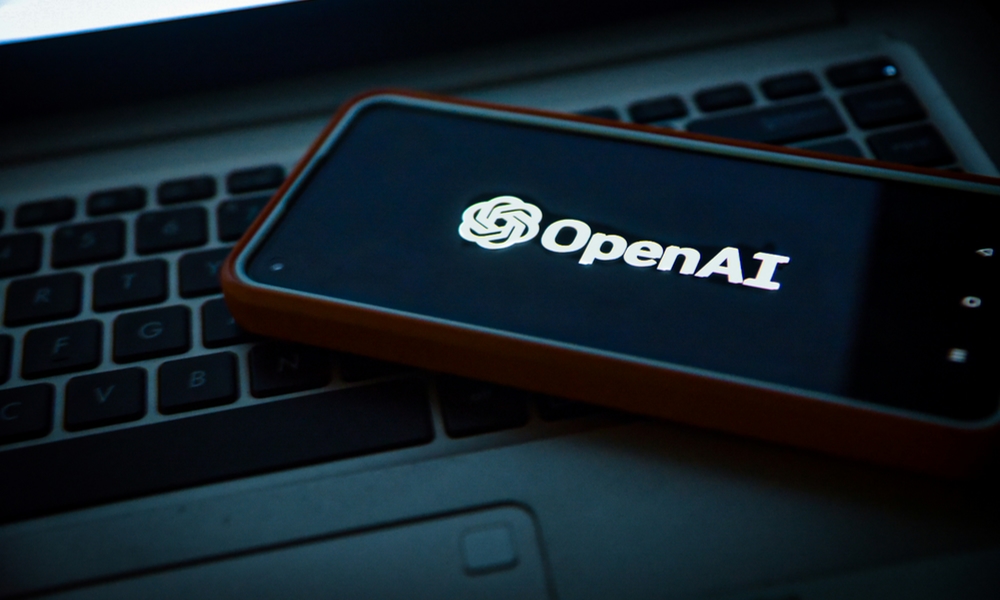
OpenAI, the developer behind ChatGPT, was initially established as a non-profit organization in 2015. After four years, OpenAI established a capped-profit subsidiary to attract a $1 billion investment from Microsoft. This capped-profit model ensures that investor and employee payouts are limited, with the surplus being allocated towards the company’s mission.
A legal dispute arose when one of OpenAI’s original founders, Elon Musk, filed a federal lawsuit against the organization, alleging a breach of the non-profit’s founding principles. Since 2019, Microsoft has invested a substantial $13 billion in OpenAI.
Recently, OpenAI underwent a complex restructuring of its business following extensive discussions with Microsoft and regulatory bodies in key states such as Delaware and California. This new arrangement positions OpenAI to potentially compete more directly in consumer hardware, possibly even challenging Apple’s iPhone.
The capped-profit subsidiary, OpenAI Group, has now been transformed into a public benefit corporation (PBC). Under this revised structure, the PBC is overseen by OpenAI’s non-profit arm, the OpenAI Foundation, which holds the majority of shares and is currently valued at $500 billion. Microsoft’s 27% stake in the PBC is estimated to be worth around $135 billion.
The renegotiated deal between OpenAI and Microsoft holds significant importance beyond monetary figures. OpenAI highlighted that the original terms with Microsoft restricted its ability to attract external investors. Additionally, OpenAI was previously obligated to offer Microsoft the first right of refusal on any cloud computing contracts, a condition that has now been eliminated. In return, OpenAI has committed an additional $250 million to Microsoft for future cloud computing resources, bringing their total resource commitments to over $1 trillion.
Another advantageous aspect of the new agreement is that OpenAI retains full control over its consumer hardware without any interference from Microsoft. This independence allows OpenAI to collaborate with Jony Ive, Apple’s former design chief, on potentially groundbreaking projects. Reports suggest that this collaboration could result in a screen-free device that revolutionizes human-AI interaction through voice and gesture controls, as well as environmental sensing capabilities.
OpenAI’s restructuring signals a potential shift towards a new era of devices, possibly moving away from traditional smartphones towards screen-free AI assistants. The collaboration with Jony Ive holds promise for the development of innovative products that could reshape the market. The future implications of this new arrangement on public accountability remain to be seen, especially in light of Elon Musk’s ongoing legal battle against OpenAI. Musk’s persistence in challenging OpenAI’s decisions underscores the complexities and uncertainties surrounding the organization’s evolving path.











Is BMW Ready to Challenge the Dominance of the Escalade?

19 Smartphone Gadgets that Blew me Away.

Critical Flaw in Smart Slider Plugin Puts 500K WordPress Sites at Risk

Exclusive Deal: PS5 Pro Price Jumping to £789 Next Week!

Lunar Love: How Watch Club Aims to Dominate the Werewolf Romance Market

Revolutionizing Technology: How the Macintosh Forever Transformed the World of Computers

Tech Savvy Heroes: AirTag Child Rescue, DarkSword Hack, and More Adventures

Chinese Brand’s Newest Small Electric Hatch Sets Safety Standard with Anticipated Five-Star Rating

The Unforeseen Lessons: A Microsoft VP’s Journey from India to the Age of AI

EU Takes Action Against Instagram and Facebook for Violating Illegal Content Rules

Warning: Facebook Creators Face Monetization Loss for Stealing and Reposting Videos

Facebook Compliance: ICE-tracking Page Removed After US Government Intervention

Facebook’s New Look: A Blend of Instagram’s Style

Facebook and Instagram to Reduce Personalized Ads for European Users

InstaDub: Meta’s AI Translation Tool for Instagram Videos

Reclaim Your Account: Facebook and Instagram Launch New Hub for Account Recovery

Meta discontinues Messenger apps for Windows and macOS

Breaking Updates: Meta Connect 2025 Unveils Latest Developments
19 Smartphone Gadgets that Blew me Away.

iPhone 12 Pro Max Unboxing & Review!

iPhone 12 Pro Max vs Samsung Note 20 Ultra / Huawei Mate 40 Pro Camera Test Comparison.

iPhone 12 Pro Max vs Samsung Note 20 Ultra / Huawei / Xiaomi / OnePlus Battery Life DRAIN Test.

The BEST Smartphone of 2020 🏆

The Self-Healing Smartphones!

Apple is not what it used to be.

Smartphones are Boring now.

The Fastest Android Phone Ever.
-
 Facebook5 months ago
EU Takes Action Against Instagram and Facebook for Violating Illegal Content Rules
-
 Facebook6 months ago
Warning: Facebook Creators Face Monetization Loss for Stealing and Reposting Videos
-
 Facebook6 months ago
Facebook Compliance: ICE-tracking Page Removed After US Government Intervention
-
 Facebook4 months ago
Facebook’s New Look: A Blend of Instagram’s Style
-
 Facebook4 months ago
Facebook and Instagram to Reduce Personalized Ads for European Users
-
 Facebook6 months ago
InstaDub: Meta’s AI Translation Tool for Instagram Videos
-
 Facebook4 months ago
Reclaim Your Account: Facebook and Instagram Launch New Hub for Account Recovery
-
 Apple5 months ago
Meta discontinues Messenger apps for Windows and macOS
