
Tech News
Optimizing Energy Efficiency: An In-depth Examination of AI in Energy Management

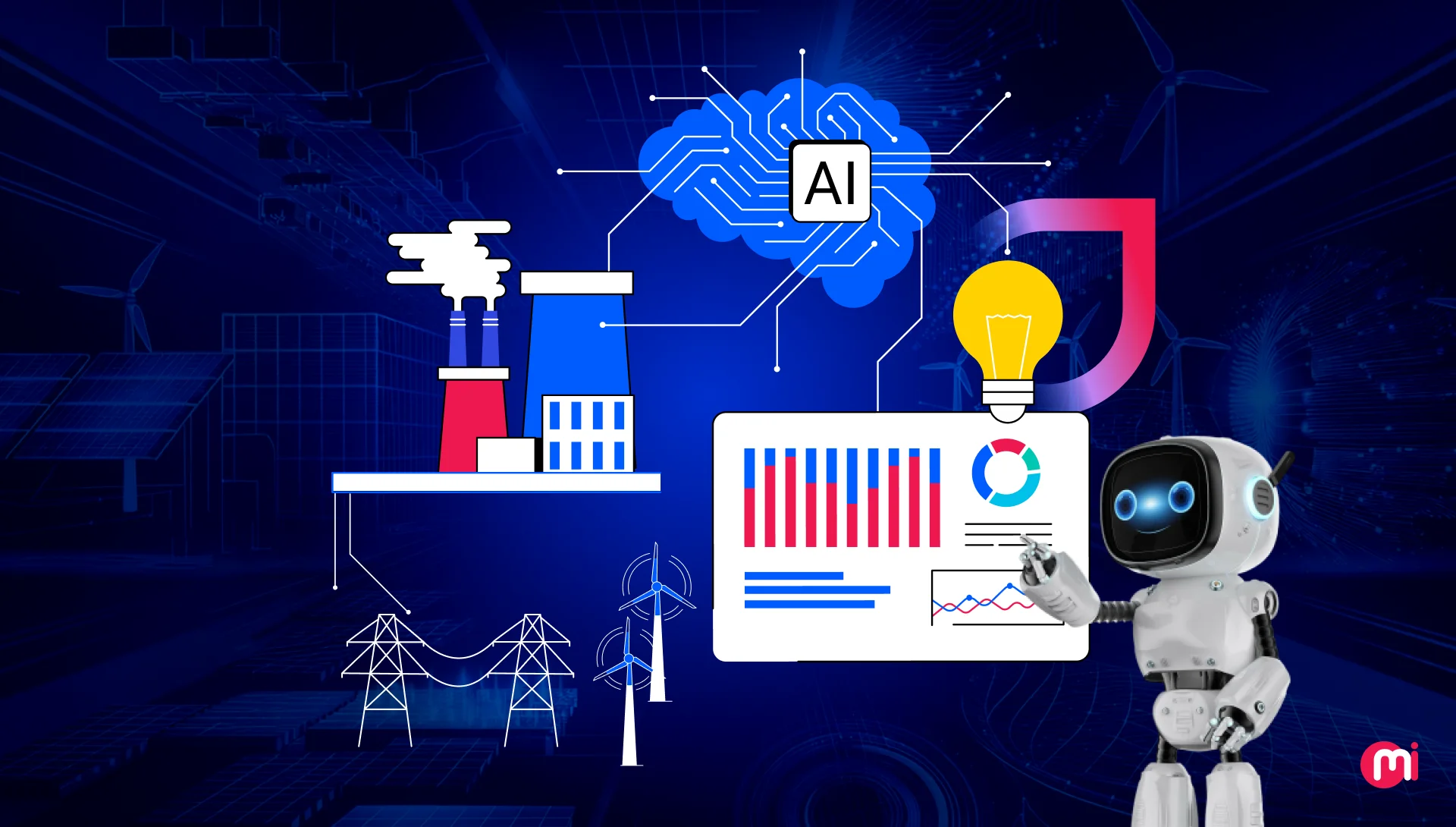
AI is revolutionizing the energy market, with projections showing a substantial growth from $8.91 billion in 2024 to a staggering $58.66 billion by 2030. This growth is attributed to the industry’s recognition of AI’s usability and benefits, which span from energy demand forecasting to smart grid optimization and energy storage. AI brings numerous advantages to energy management, including real-time decision-making, improved energy efficiency, operational savings, enhanced customer experience, and significant cost savings.
One of the key takeaways of AI in energy management is its application of AI technologies like machine learning, deep learning, and advanced analytics to monitor, predict, and automate energy systems. These technologies have a wide range of applications in energy management, from energy demand forecasting to smart grid optimization, predictive maintenance of energy assets, renewable energy integration, and more.
AI-powered energy management systems are commonly applied in various sectors, including electric utilities, renewable energy plants, commercial buildings, industrial facilities, data centers, microgrids, and smart cities. These systems use AI to manage grid load, predict demand, optimize maintenance, control HVAC and lighting, optimize energy-intensive processes, balance cooling and power usage, and coordinate distributed energy resources.
There are different types of AI-powered energy management systems, including smart grid management platforms, AI-driven demand forecasting systems, predictive maintenance platforms, battery and energy storage optimization systems, building energy management systems, and energy trading and market optimization tools.
Research indicates that the global AI in energy market size is expected to reach $54.83 billion by 2030, with a compound annual growth rate of 30.2% from 2025 to 2030. This growth is driven by the increasing adoption of AI in energy management to improve efficiency, reduce costs, and integrate renewable energy sources effectively.
AI in energy management plays a crucial role in improving energy efficiency, reducing costs, cutting carbon emissions, enhancing grid reliability and resilience, enabling real-time decision-making and automation, providing predictive insights and proactive planning, maximizing renewable energy utilization, improving energy market participation, and enhancing customer experience.
Real-world examples of AI in energy management include Duke Energy’s predictive maintenance program, a commercial building on Jeju Island’s AI-powered energy management system, and MindInventory’s AI-powered solar installation system. These examples showcase the significant impact of AI on energy management and how it revolutionizes the industry.
Challenges of AI in energy management include data quality and availability, high implementation costs, cybersecurity and data privacy risks, skill gaps, regulatory and compliance issues. Solutions to these challenges involve investing in smart meters and sensors, leveraging cloud-based AI platforms, implementing robust cybersecurity frameworks, upskilling internal teams, and ensuring compliance with regulations.
Best practices for implementing AI in energy management include assessing energy and data readiness, strategic planning, choosing the right AI tools and platforms, collaborating between energy and IT teams, and continuously monitoring and optimizing the system for seamless improvement and better functionality.
Future trends of AI in energy management include autonomous energy systems, AI-driven decentralized energy grids, integration with digital twins, and the role of AI in achieving net-zero goals. These trends showcase the potential of AI to transform the energy industry and drive sustainability and efficiency.
In conclusion, AI is reshaping the energy management landscape, offering numerous benefits and applications across various sectors. Implementing AI in energy management requires strategic planning, collaboration, and continuous monitoring to achieve optimal results and drive innovation in the industry.













Exploring Sydney in the MINI Aceman SE: A Practical Guide

I bought every Galaxy Note ever.

German Authorities Uncover REvil and GandCrab Ransomware Kingpins

Strategies for Long-lasting Success in Your Business

AI: The Ultimate Software Solution – Introducing FalconClaw by NeuBird AI

AirPods Max 2 vs Pro 3: A Buyer’s Guide

The Rise of Hybrids and EVs: A New Era for Australian Car Sales

Unmasking the Masterminds: BKA Reveals REvil Leaders Responsible for 130 German Ransomware Attacks

Bluey’s Joyful Adventures: Happy Snaps on Consoles

EU Takes Action Against Instagram and Facebook for Violating Illegal Content Rules

Warning: Facebook Creators Face Monetization Loss for Stealing and Reposting Videos

Facebook Compliance: ICE-tracking Page Removed After US Government Intervention

Facebook’s New Look: A Blend of Instagram’s Style

Facebook and Instagram to Reduce Personalized Ads for European Users

InstaDub: Meta’s AI Translation Tool for Instagram Videos

Reclaim Your Account: Facebook and Instagram Launch New Hub for Account Recovery

Meta discontinues Messenger apps for Windows and macOS

Breaking Updates: Meta Connect 2025 Unveils Latest Developments
I bought every Galaxy Note ever.

Samsung and Google are at War.

OnePlus 7 Pro in 2020 – Wow.

Poco X3 – The Shady Truth.

Huawei is replacing Android.

14 MEGA Smartphone Fails we’ll never forget.

Why Samsung’s Transparent Phone will fail.

6G – Explained!

Is Samsung about to take over?
-
 Facebook5 months ago
EU Takes Action Against Instagram and Facebook for Violating Illegal Content Rules
-
 Facebook6 months ago
Warning: Facebook Creators Face Monetization Loss for Stealing and Reposting Videos
-
 Facebook6 months ago
Facebook Compliance: ICE-tracking Page Removed After US Government Intervention
-
 Facebook4 months ago
Facebook’s New Look: A Blend of Instagram’s Style
-
 Facebook4 months ago
Facebook and Instagram to Reduce Personalized Ads for European Users
-
 Facebook6 months ago
InstaDub: Meta’s AI Translation Tool for Instagram Videos
-
 Facebook4 months ago
Reclaim Your Account: Facebook and Instagram Launch New Hub for Account Recovery
-
 Apple6 months ago
Meta discontinues Messenger apps for Windows and macOS
