
Security
Proactive Cybersecurity Measures in Healthcare: Prevention Over Cure

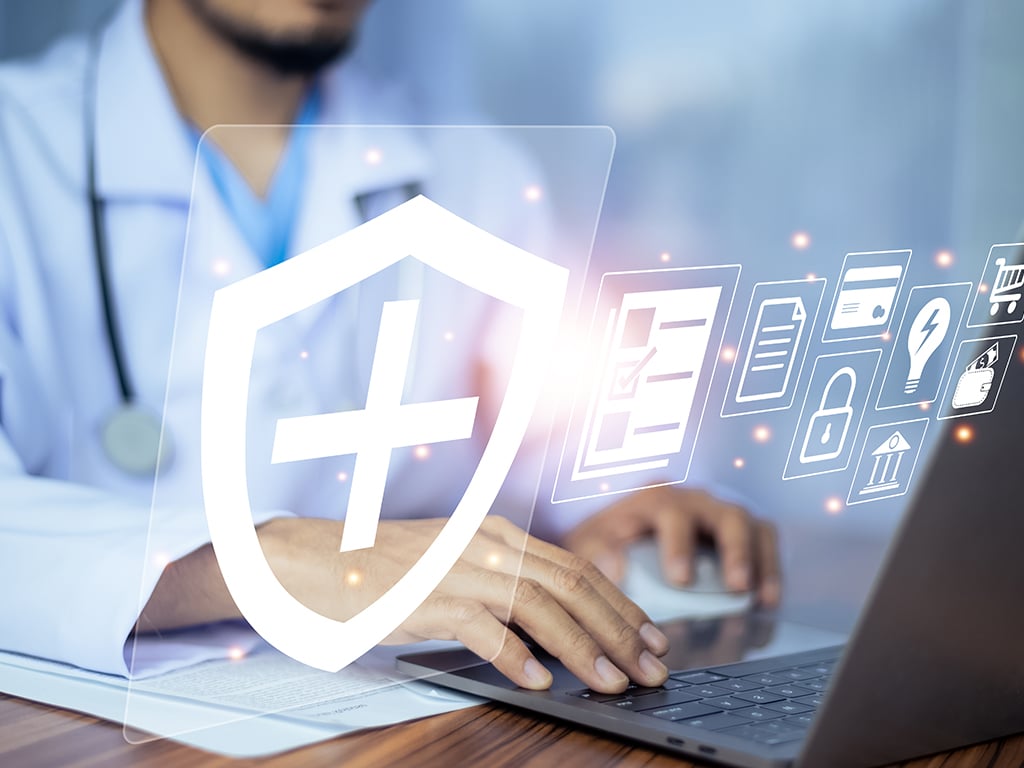
Cybersecurity in Healthcare: A Vital Priority
Cyber-attacks are a pervasive threat across all industries, but the consequences can be particularly severe in the healthcare sector. When hospitals or medical groups fall victim to breaches, sensitive patient data can be exposed, leading to serious privacy violations. The frequency of cyber-attacks on healthcare systems is on the rise, with the U.S. Government Accountability Office reporting annual increases in incidents.
One notable case that underscores the impact of cyber-attacks on healthcare is the incident involving Change Healthcare, which resulted in significant disruptions to medical services. To combat such threats effectively, it is crucial for healthcare organizations to prioritize cybersecurity measures.
Expectation Management: Redefining Threat Perceptions
Many individuals hold misconceptions about cybersecurity threats, often envisioning hackers as stereotypical villains. In reality, breaches can occur due to unintentional actions by insiders. It is essential for healthcare systems to redefine expectations regarding threats and integrate this shift in perception into their security culture. By adopting a proactive approach to cybersecurity, organizations can prevent data leaks and safeguard patient information.
Ease of Use: Streamlining Security Measures
Simplicity is key when it comes to cybersecurity. Complex security systems with multiple layers of defense can lead to human errors and vulnerabilities. By consolidating security measures into a single, user-friendly platform, healthcare organizations can enhance compliance and reduce the risk of breaches. Simplifying cybersecurity protocols not only boosts efficiency but also promotes user adherence.
Education: Empowering Healthcare Professionals
Continuous training is paramount in maintaining robust cybersecurity defenses. While advanced technology is essential, human error remains a significant factor in successful cyber-attacks. Educating end-users on cybersecurity threats and best practices is crucial in fortifying data protection. Healthcare professionals, equipped with the right knowledge and skills, can effectively safeguard sensitive information from malicious actors.
Ensuring comprehensive and ongoing training for healthcare professionals is vital in upholding data security standards. Real-life examples and scenario-based training sessions tailored to the healthcare sector can enhance employees’ awareness and preparedness. By staying informed and proactive, healthcare organizations can mitigate the risks posed by cyber threats and uphold patient confidentiality.
While healthcare professionals prioritize patient care, cybersecurity should not be overlooked. Cyber-attacks can disrupt critical medical services and compromise patient safety. By implementing informed expectations, user-friendly tools, and robust educational programs, healthcare organizations can strengthen their defenses and prevent potential breaches.
Andy Syrewicze, a Security Evangelist at Hornetsecurity, brings over 20 years of IT expertise in cloud technologies and security. As a Microsoft MVP in Security, he leads technical content at Hornetsecurity and shares his IT insights online. His commitment to cybersecurity excellence underscores the importance of proactive protection.
Connect with Andy on LinkedIn or visit the Hornetsecurity website for more information.











Apple Bids Farewell to the Mac Pro Tower: Is it Truly Dead?

Porsche 911 GT3 RS Facelift: Unveiling the 992.2 Model in August 2026

Bearlyfy Strikes Russian Companies with Unique GenieLocker Ransomware Attack

Innovative Ventures: The 8 Startups Investors Can’t Resist from YC Demo Day

The Future of iPhone Cameras: Is a 200 MP Lens Coming Soon?

Celebrating the First iX3 Delivery at BMW’s Debrecen Factory

iPhone 12 Pro Max vs Samsung Note 20 Ultra / Huawei / Xiaomi / OnePlus Battery Life DRAIN Test.

Stealthy Malware: The Hidden Threat Within Telnyx PyPI Package

Harvest of Suspicion: Grave Seasons Murder Mystery Farming Sim Arrives in August

EU Takes Action Against Instagram and Facebook for Violating Illegal Content Rules

Warning: Facebook Creators Face Monetization Loss for Stealing and Reposting Videos

Facebook Compliance: ICE-tracking Page Removed After US Government Intervention

Facebook’s New Look: A Blend of Instagram’s Style

Facebook and Instagram to Reduce Personalized Ads for European Users

InstaDub: Meta’s AI Translation Tool for Instagram Videos

Reclaim Your Account: Facebook and Instagram Launch New Hub for Account Recovery

Meta discontinues Messenger apps for Windows and macOS

Breaking Updates: Meta Connect 2025 Unveils Latest Developments
iPhone 12 Pro Max vs Samsung Note 20 Ultra / Huawei / Xiaomi / OnePlus Battery Life DRAIN Test.

The BEST Smartphone of 2020 🏆

The Self-Healing Smartphones!

Apple is not what it used to be.

Smartphones are Boring now.

The Fastest Android Phone Ever.

Unboxing the $122,000 Smartphone. 🤯

Are Linux Smartphones about to KILL Android?

15 Smartphone FAILS to ruin your day 😂
-
 Facebook5 months ago
EU Takes Action Against Instagram and Facebook for Violating Illegal Content Rules
-
 Facebook5 months ago
Warning: Facebook Creators Face Monetization Loss for Stealing and Reposting Videos
-
 Facebook5 months ago
Facebook Compliance: ICE-tracking Page Removed After US Government Intervention
-
 Facebook4 months ago
Facebook’s New Look: A Blend of Instagram’s Style
-
 Facebook4 months ago
Facebook and Instagram to Reduce Personalized Ads for European Users
-
 Facebook5 months ago
InstaDub: Meta’s AI Translation Tool for Instagram Videos
-
 Facebook4 months ago
Reclaim Your Account: Facebook and Instagram Launch New Hub for Account Recovery
-
 Apple5 months ago
Meta discontinues Messenger apps for Windows and macOS
