
Startups
Prolonged Consequences of Untreated Stroke

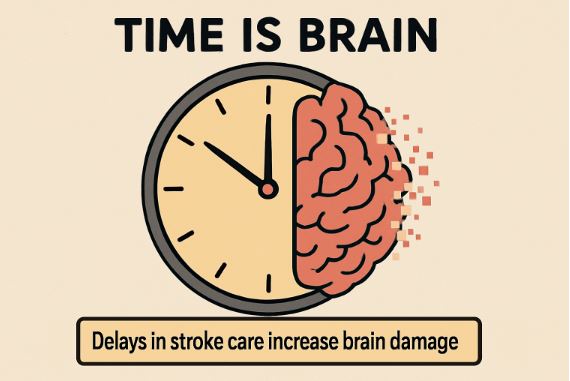
Essential Insights on Stroke Care
- Swift stroke treatment significantly reduces the risk of permanent brain injury and long-lasting disabilities.
- Delays in care can lead to prolonged physical, cognitive, and emotional struggles for survivors.
- Immediate access to medical expertise and rehabilitation plays a crucial role in optimizing recovery and reducing risks.
- Educating individuals on recognizing stroke symptoms and the urgent need for care can save lives and enhance outcomes.
Understanding the Urgency
Time is of the essence in treating strokes, a major cause of severe, long-term disability globally. The timing of specialized care access can determine the outcomes for survivors, shaping their lives for months, years, or even a lifetime. Every second between symptom onset and effective treatment is critical, as it means more brain cells are at risk.
Recognizing early warning signs and knowing when to seek emergency help can be the difference between full recovery and enduring limitations. Understanding how delays impact stroke outcomes is not only crucial medically but also essential for informed decisions in stroke medical malpractice cases, where prompt treatment could have been life-saving. Prompt recognition and immediate action are vital in minimizing long-term damage. Educated families and caregivers can advocate effectively, ensuring timely medical help and improving overall prognosis.
Reducing the Risk of Brain Damage
Stroke occurs when blood flow to the brain is disrupted, depriving brain cells of oxygen and nutrients. The quicker blood flow is restored, the higher the chance of preserving brain function. Immediate intervention significantly lowers the risk of irreversible damage, as stated by the Mayo Clinic. However, delayed treatment can lead to substantial cell death, resulting in mobility loss, speech impairment, or permanent memory issues.
Managing Fatigue and Physical Challenges
Recovery from a stroke goes beyond surviving the initial event; many survivors deal with prolonged fatigue and difficulties in daily activities. Research shows that even individuals who have experienced a transient ischemic attack (TIA) may face ongoing exhaustion for up to a year. This extreme tiredness can impede rehabilitation, delay return to work, and decrease quality of life. In severe cases, permanent weakness or paralysis on one side of the body can make independent living challenging.
These physical hurdles are heightened for patients without immediate care, underscoring the importance of early recognition and rapid response in reducing long-term impairments. Initiating physical therapy, occupational therapy, and other interventions soon after a stroke event yields better results.
Cognitive Decline and Mental Health
Strokes can significantly impact memory, attention, reasoning, and problem-solving abilities. Over half of stroke survivors experience some level of cognitive impairment within the first year, which can progress to vascular dementia if intervention is delayed. Without timely assessment and tailored cognitive therapies, post-stroke interventions may be less effective, hindering a return to daily routines.
Emotional and Psychological Well-being
A considerable number of survivors face post-stroke depression (PSD) and anxiety. Studies indicate that PSD can persist for up to a decade, greatly affecting physical recovery and daily functioning. Emotional and psychological challenges may include mood swings, social withdrawal, frustration from physical limitations, and difficulty adapting to new constraints. Addressing these issues early with appropriate counseling and support services is vital for a patient’s overall health.
Impact of Delayed Treatment on Mortality
Delays in receiving specialized stroke care, whether due to prolonged transfer times or emergency access barriers, are associated with higher mortality rates and poorer recovery outcomes. Research from the University of Michigan reveals that patients with delayed transfers to stroke centers had worse functional outcomes and increased mortality risks. The reason is clear: the longer the brain lacks oxygen, the higher the chances of irreversible widespread damage.
Rehabilitation Challenges and Recovery
The effectiveness of rehabilitation often depends on how quickly an individual receives initial stroke care. Delays can complicate recovery, making therapy and adaptation harder while limiting the regaining of lost functions. Early, intensive rehabilitation offers survivors the best chance for improvement, whereas delayed intervention raises the likelihood of lasting disabilities and reliance on caregivers. Comprehensive rehabilitation should address motor and cognitive skills, as well as psychological resilience and ongoing support.
In Conclusion
The consequences of delayed stroke intervention extend far beyond the immediate emergency. Permanent brain damage, persistent fatigue, cognitive decline, emotional turmoil, and increased mortality rates highlight the critical importance of every minute in mitigating stroke’s impact. Early symptom recognition, immediate medical care, and access to specialized treatment facilities are paramount. Acting swiftly not only saves lives but also significantly enhances the chances of a meaningful recovery and a return to independence.











The Anticipated Arrival of the Entry-Level iPad

The Future of Brand Discovery: AEO vs. GEO in the Age of AI (2026)

Government Announces Crackdown on Gouging Amid Record Fuel Prices

iPhone 12 vs iPhone 12 Pro / 11 Pro Max / 11 Pro / 11 / XR / SE Battery Life DRAIN Test.

TeamPCP Releases Telnyx Versions on PyPI, Conceals Malicious Stealer in WAV Files

The Sunday Gazette: Gaming News and Reviews

Y Combinator Graduate Glimpse Secures $35M Funding Round with a16z Leading Investment

Upgrade to iOS 26.4: The Latest and Greatest Features

Koenigsegg Gemera Hits the Production Line: A 6-Year Journey from Unveiling to Reality

EU Takes Action Against Instagram and Facebook for Violating Illegal Content Rules

Warning: Facebook Creators Face Monetization Loss for Stealing and Reposting Videos

Facebook Compliance: ICE-tracking Page Removed After US Government Intervention

Facebook’s New Look: A Blend of Instagram’s Style

Facebook and Instagram to Reduce Personalized Ads for European Users

InstaDub: Meta’s AI Translation Tool for Instagram Videos

Reclaim Your Account: Facebook and Instagram Launch New Hub for Account Recovery

Meta discontinues Messenger apps for Windows and macOS

Breaking Updates: Meta Connect 2025 Unveils Latest Developments
iPhone 12 vs iPhone 12 Pro / 11 Pro Max / 11 Pro / 11 / XR / SE Battery Life DRAIN Test.

19 Smartphone Gadgets that Blew me Away.

iPhone 12 Pro Max Unboxing & Review!

iPhone 12 Pro Max vs Samsung Note 20 Ultra / Huawei Mate 40 Pro Camera Test Comparison.

iPhone 12 Pro Max vs Samsung Note 20 Ultra / Huawei / Xiaomi / OnePlus Battery Life DRAIN Test.

The BEST Smartphone of 2020 🏆

The Self-Healing Smartphones!

Apple is not what it used to be.

Smartphones are Boring now.
-
 Facebook5 months ago
EU Takes Action Against Instagram and Facebook for Violating Illegal Content Rules
-
 Facebook6 months ago
Warning: Facebook Creators Face Monetization Loss for Stealing and Reposting Videos
-
 Facebook6 months ago
Facebook Compliance: ICE-tracking Page Removed After US Government Intervention
-
 Facebook4 months ago
Facebook’s New Look: A Blend of Instagram’s Style
-
 Facebook4 months ago
Facebook and Instagram to Reduce Personalized Ads for European Users
-
 Facebook6 months ago
InstaDub: Meta’s AI Translation Tool for Instagram Videos
-
 Facebook4 months ago
Reclaim Your Account: Facebook and Instagram Launch New Hub for Account Recovery
-
 Apple5 months ago
Meta discontinues Messenger apps for Windows and macOS
