
AI
Railway Revolution: Embracing Technology for Tomorrow’s Travel

Enhancing Britain’s Railway Network Through AI and Predictive Maintenance
An industry report highlights the potential for Britain’s railway network to accommodate an additional billion journeys by the mid-2030s, building upon the 1.6 billion passenger rail journeys recorded by March 2024. The upcoming decade will bring a blend of complexity and control as digital systems, data, and interconnected suppliers introduce more points of failure.
The central theme of the report revolves around the role of AI as the operating system for modern rail. Rather than a centralized collection of models and algorithms, AI will manifest as layers of prediction, optimization, and automated monitoring integrated into infrastructure, rolling stock, maintenance yards, and stations (pp.18-23). This technology aims to guide human focus within daily work schedules while complementing human activity.
Maintenance Transformation Towards Predictive and Data-Driven Practices
The traditional approach to rail maintenance relies on fixed schedules and manual inspections, which is reactive and labor-intensive. The report points out Network Rail’s reliance on engineers visually inspecting tracks to identify defects (p.18). AI is set to revolutionize the industry by shifting towards predictive maintenance, leveraging sensor data to forecast failures before they escalate.
This transformation entails the use of various sensors and imaging technologies such as high-definition cameras, LiDAR scanners, and vibration monitors. These tools supply machine-learning systems with data to detect degradation in track, signaling systems, and electrical assets prior to failure (pp.18-19).
By employing monitoring programs that can issue alerts months in advance, emergency call-outs can be minimized. The shift from a “find and fix” approach to “predict and prevent” maintenance is crucial for Network Rail’s intelligent infrastructure initiatives.
Emphasizing data-led maintenance, Network Rail focuses on tools that consolidate asset information, while European R&D initiatives like Europe’s Rail and projects such as DAYDREAMS promote prescriptive asset management. Achieving predictive maintenance at scale necessitates a standardized approach for widespread transformation.
Optimizing Traffic Control and Enhancing Energy Efficiency
Besides predictive maintenance, operational optimization offers substantial benefits. AI systems leverage live and historical operating data, including train positions, speeds, and weather forecasts, to anticipate disruptions and adjust traffic flow. Trials of digital twin and AI-based traffic management in Europe, coupled with research on AI-assisted driving and positioning, hold the potential to increase network capacity without extensive infrastructure expansion (p.20).
Algorithms are also employed to guide drivers on optimal acceleration and braking, potentially saving 10-15% in energy consumption. Considering factors like route variations, traction, and timetable restrictions, energy savings can accumulate rapidly across an extensive network.
Enhancing Safety Monitoring and CCTV Surveillance
AI applications in rail safety primarily focus on detecting hazards and ensuring security. Thermal cameras and machine learning are utilized for obstacle detection beyond human visibility. AI systems monitor level crossings and analyze CCTV footage to identify unattended items and suspicious activities (pp.20-21). For instance, AI and LiDAR technologies are deployed for crowd monitoring at London Waterloo as part of a comprehensive safety toolkit.
Optimizing Passenger Flows and Journey Experiences
The report highlights AI’s capability to forecast demand using ticket sales, events, and mobile signals. This data enables operators to adjust carriage numbers and alleviate overcrowding, enhancing the overall passenger experience. Passenger counting emerges as a high-impact, low-drama application that supports improved timetables and clearer customer communication.
Addressing Cybersecurity Concerns in AI Integration
As operational technology converges with IT, cybersecurity emerges as a critical operational concern. Legacy systems without adequate replacement plans, alongside the integration of modern analytics with older infrastructure, pose security risks that may attract malicious actors.
The future of AI in rail underscores the need for sensors that can operate in extreme environments, models endorsed by operators, and governance that prioritizes cyber resilience as integral to physical safety. The report emphasizes the inevitability of AI adoption in railways, posing the critical question of proactive adoption and management versus uncontrolled complexity inheritance.
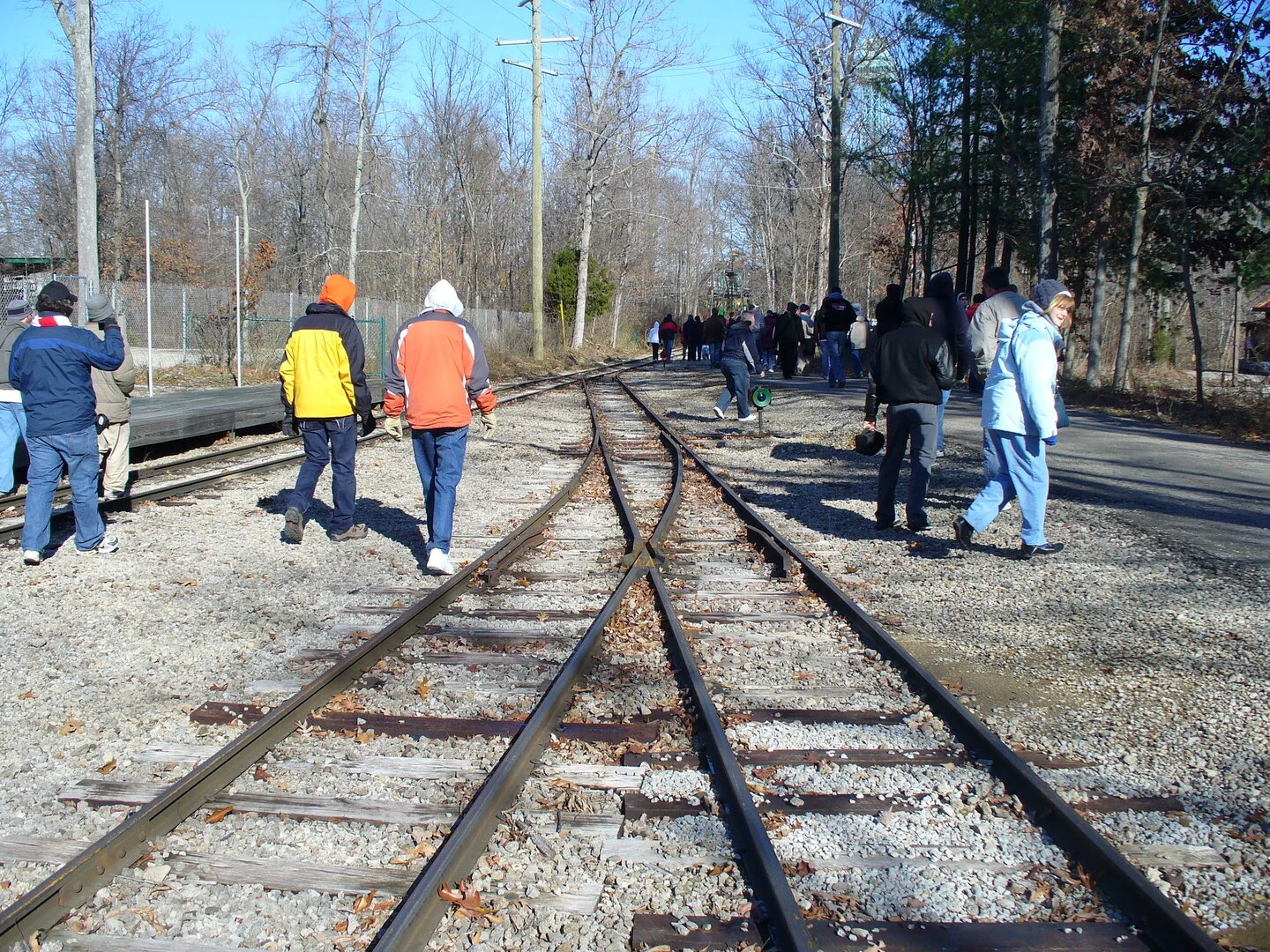
(Image source: “Train Junction” by jcgoble3 is licensed under CC BY-SA 2.0.)

For further insights on AI and big data from industry experts, explore the AI & Big Data Expo happening in Amsterdam, California, and London. This comprehensive event, part of TechEx and co-located with other prominent technology events, offers a wealth of knowledge. Click here to learn more.
AI News is powered by TechForge Media. Discover upcoming enterprise technology events and webinars here.













Qilin Ransomware Breach Confirmed by Die Linke German Political Party

Wrangling Data: How Nomadic Secured $8.4 Million for Autonomous Vehicle Insights

On-the-Go Meetings: Google Meet Now Available on CarPlay

Breaking News: The BMW M2 CS Shooting Brake Hoax Shakes the Internet

NASA’s Tech Troubles: The Artemis II Outlook Reload

Hims & Hers Takes Action: Responds to Zendesk Support Ticket Breach

The Elder Scrolls Online: Night Market Chronicles – A Glimpse of Skyrim in 2027

Whoop Soars to $10 Billion Valuation: A Game-Changer in the Fitness Tech Industry

United App Introduces Real-Time TSA Wait Times Feature for Top US Airports

EU Takes Action Against Instagram and Facebook for Violating Illegal Content Rules

Warning: Facebook Creators Face Monetization Loss for Stealing and Reposting Videos

Facebook Compliance: ICE-tracking Page Removed After US Government Intervention

Facebook’s New Look: A Blend of Instagram’s Style

Facebook and Instagram to Reduce Personalized Ads for European Users

InstaDub: Meta’s AI Translation Tool for Instagram Videos

Reclaim Your Account: Facebook and Instagram Launch New Hub for Account Recovery

Meta discontinues Messenger apps for Windows and macOS

Breaking Updates: Meta Connect 2025 Unveils Latest Developments

6G – Explained!

Is Samsung about to take over?

The Problem with Fast Chargers.

if smartphone commercials were honest.

iPhone 12 – What were Apple thinking?

OnePlus 8T vs Google Pixel 5 – The Brutal Truth.

iPhone 12 / 12 Pro Unboxing – ft MKBHD!

iPhone 12 Pro vs iPhone 12 vs iPhone 11 Pro Camera Test Comparison.

Huawei Mate 40 Pro Unboxing – WHAT.
-
 Facebook5 months ago
EU Takes Action Against Instagram and Facebook for Violating Illegal Content Rules
-
 Facebook6 months ago
Warning: Facebook Creators Face Monetization Loss for Stealing and Reposting Videos
-
 Facebook6 months ago
Facebook Compliance: ICE-tracking Page Removed After US Government Intervention
-
 Facebook4 months ago
Facebook’s New Look: A Blend of Instagram’s Style
-
 Facebook4 months ago
Facebook and Instagram to Reduce Personalized Ads for European Users
-
 Facebook6 months ago
InstaDub: Meta’s AI Translation Tool for Instagram Videos
-
 Facebook4 months ago
Reclaim Your Account: Facebook and Instagram Launch New Hub for Account Recovery
-
 Apple6 months ago
Meta discontinues Messenger apps for Windows and macOS
