
Mobile Tech
Reduced ER Visits by Half After Apple Watch Post-AFib Ablation Study

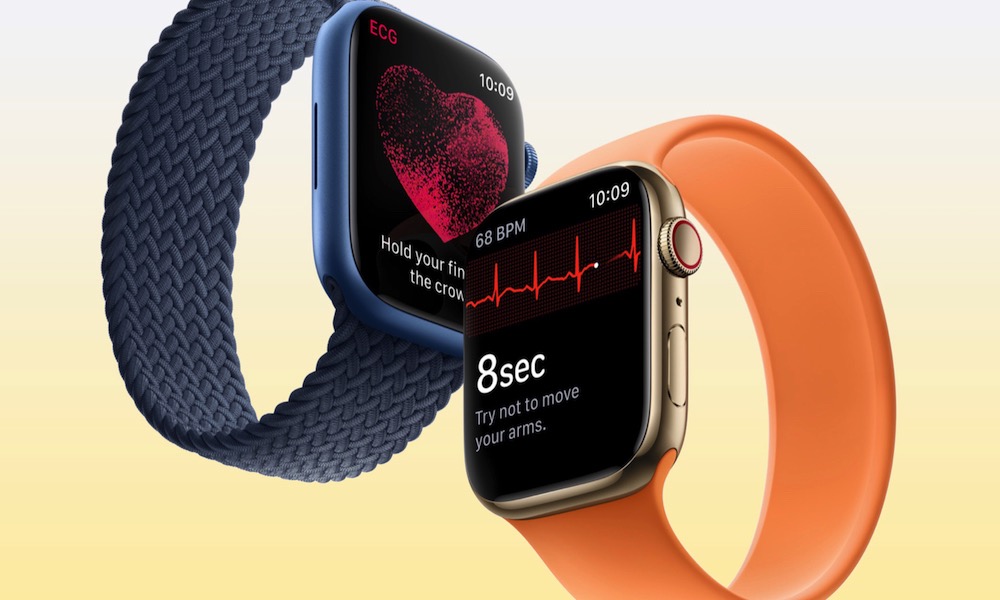
The Apple Watch has gained popularity for various reasons, including its ability to detect undiagnosed atrial fibrillation (Afib) through its electrocardiogram (ECG) feature. A recent study has shown that the Apple Watch is also effective in detecting issues and providing reassurance to patients who have been treated for atrial fibrillation.
A study published in the Journal of the American College of Cardiology conducted by researchers from St Bartholomew’s Hospital in London explored the performance of the Apple Watch in patients who have been diagnosed and treated for Afib.
This study builds upon previous research from Amsterdam University Medical Center, which highlighted the Apple Watch’s efficacy in screening for undiagnosed Afib. However, the St Bartholomew’s trial goes further by demonstrating that the watch can reduce unplanned hospitalizations by up to 50%.
Monitoring Post-Surgery Recovery
In this latest trial, researchers focused on patients who had undergone an atrial fibrillation catheter ablation, a minimally invasive procedure that can restore normal heart rhythm by creating small scars in the heart tissue through freezing or heating.
The study monitored 168 patients divided into two groups. The first group was provided with an Apple Watch Series 5 and instructed to follow a high-frequency monitoring protocol, including regular daily ECG readings and additional readings as prompted by the watch. The control group did not receive an Apple Watch and only had clinical appointments with a cardiology specialist.
Faster Detection, Better Outcomes
The results showed that patients wearing the Apple Watch had a higher likelihood of detecting recurring atrial fibrillation. On average, the Apple Watch group detected recurrences in 116 days, which was over two weeks faster than the control group’s average of 132 days.
The Apple Watch group also had a higher rate of detecting recurring atrial fibrillation, with 52.9% of the group being alerted to the issue compared to 34.9% in the control group. The study noted that the results were driven by more cases of paroxysmal AF.
Reducing the Burden on Hospitals
Significantly, unplanned hospitalizations were lower in the Apple Watch-wearing group, with only 22 patients requiring unscheduled hospitalization compared to 47 in the control group. The reduced hospitalizations were attributed to the immediate patient-facing diagnosis provided by the Apple Watch, which likely resulted in fewer people seeking emergency care for benign arrhythmias mistaken for atrial fibrillation.
The Apple Watch-based monitoring not only reduced the time to recurrent arrhythmia detection and increased overall detection yield but also led to fewer unplanned hospitalizations compared to standard care. The researchers concluded that these findings support the integration of patient-owned wearable devices into postablation follow-up pathways.
If you’re a regular reader of iDrop News, you’re likely familiar with the Apple Watch’s ECG feature and its role in early detection of atrial fibrillation and other health issues. Apple continues to enhance the health monitoring features of the Apple Watch, with several clinical trials demonstrating their value.












Secure APK Sideloading: Harnessing the Power of Advanced Flow for Safe Android Installation

Gunvolt Chronicles: Luminous Avenger iX – The Complete Dual Collection

K2 Launches Groundbreaking High-Powered Satellite for Advanced Space Computing

The End of Security: iOS 13 and 14 Vulnerabilities in 2026

Exclusive Look: The 2027 Chevrolet Corvette Grand Sport Unleashed at Sebring

DON’T buy a Screen Protector before watching this.

Exploiting Vulnerable Drivers: How EDR Killers Use BYOVD to Disable Security

Alphabet’s X Unveils Innovative Spinout Targeting Costly Bureaucratic Challenges

Lawsuit: Halide co-founder accuses Sebastiaan de With of code theft for Apple

EU Takes Action Against Instagram and Facebook for Violating Illegal Content Rules

Warning: Facebook Creators Face Monetization Loss for Stealing and Reposting Videos

Facebook Compliance: ICE-tracking Page Removed After US Government Intervention

Facebook’s New Look: A Blend of Instagram’s Style

Facebook and Instagram to Reduce Personalized Ads for European Users

InstaDub: Meta’s AI Translation Tool for Instagram Videos

Reclaim Your Account: Facebook and Instagram Launch New Hub for Account Recovery

Meta discontinues Messenger apps for Windows and macOS

Breaking Updates: Meta Connect 2025 Unveils Latest Developments
DON’T buy a Screen Protector before watching this.

Beware of Fake Reviewers! ⚠️

Xiaomi Mi 11 Unboxing & Review.

The Galaxy S21 Ultra is Better than you think.

Samsung Galaxy S21 Ultra vs iPhone 12 Pro Max Camera Test Comparison.

Samsung S21 Ultra vs iPhone Battery Life Test!

The Truth about Xiaomi “Air Charging”

DON’T buy this Smartphone.

Galaxy S21 Ultra – Exynos vs Snapdragon.
-
 Facebook5 months ago
EU Takes Action Against Instagram and Facebook for Violating Illegal Content Rules
-
 Facebook5 months ago
Warning: Facebook Creators Face Monetization Loss for Stealing and Reposting Videos
-
 Facebook5 months ago
Facebook Compliance: ICE-tracking Page Removed After US Government Intervention
-
 Facebook3 months ago
Facebook’s New Look: A Blend of Instagram’s Style
-
 Facebook3 months ago
Facebook and Instagram to Reduce Personalized Ads for European Users
-
 Facebook5 months ago
InstaDub: Meta’s AI Translation Tool for Instagram Videos
-
 Facebook4 months ago
Reclaim Your Account: Facebook and Instagram Launch New Hub for Account Recovery
-
 Apple5 months ago
Meta discontinues Messenger apps for Windows and macOS
