
Startups
Reviving the Nuclear Renaissance: Small Reactors and the Road Ahead

The Nuclear Industry: A Renaissance on the Horizon
The nuclear industry is currently experiencing a renaissance, with old plants undergoing refurbishment and startups attracting significant investments. In 2025, nuclear startups raised a staggering $1.1 billion, driven by investor optimism that smaller nuclear reactors could address the challenges faced by the traditional industry.
Traditional nuclear reactors are massive infrastructure projects, exemplified by the Vogtle 3 and 4 reactors in Georgia. While these reactors generate over 1 gigawatt of electricity each, they were plagued by delays and cost overruns, highlighting the need for innovation in the sector.
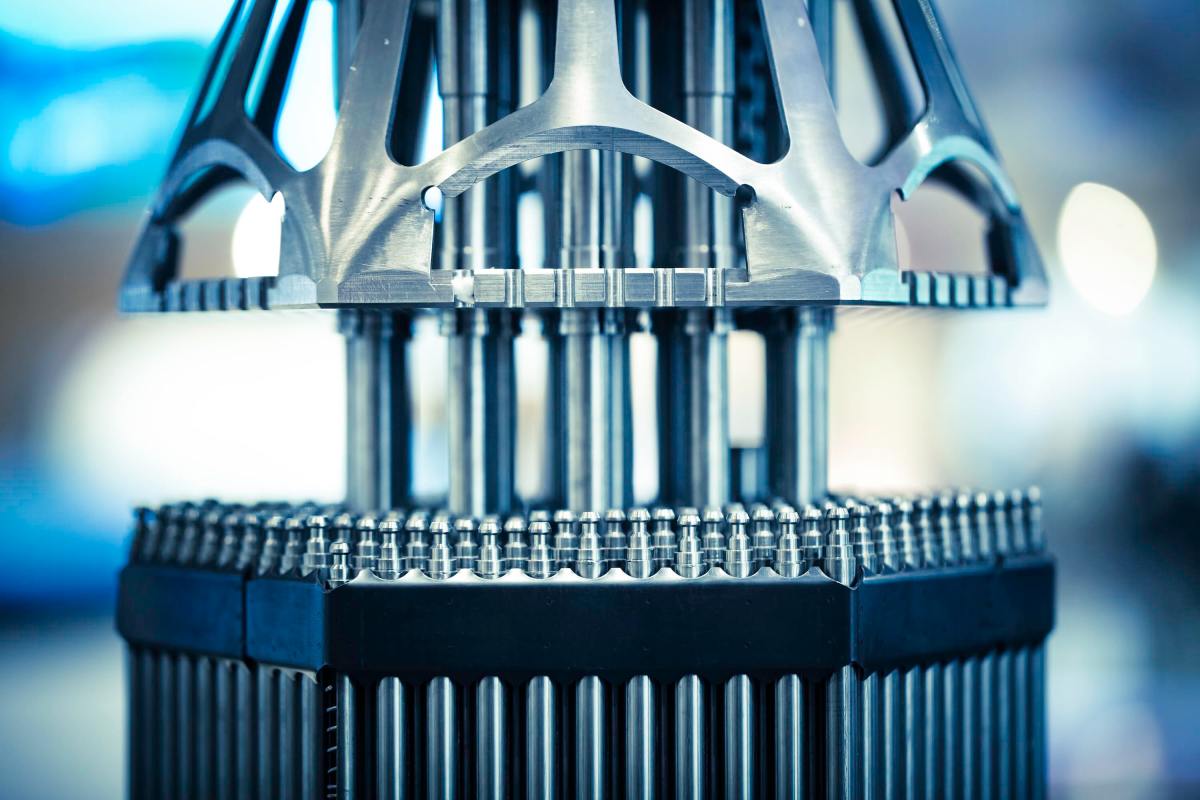
The new wave of nuclear startups aims to overcome these challenges by developing smaller reactors that can be built using mass production techniques. By scaling down the size of reactors, companies believe they can improve efficiency, reduce costs, and boost power output by simply adding more reactors when needed.
However, the path to successful manufacturing is not without its obstacles. The experience of companies like Tesla, struggling to scale production of the Model 3, serves as a cautionary tale. Nuclear startups in the U.S. face additional hurdles due to the lack of expertise in key materials and components, which are often sourced from overseas.
Milo Werner, a seasoned manufacturing expert and investor, emphasizes the importance of capital and human resources in manufacturing. While the nuclear industry is currently well-funded, the lack of skilled personnel presents a significant challenge, as the U.S. has not built industrial facilities in decades, leading to a shortage of experienced manufacturing professionals.
Don’t miss the upcoming Techcrunch event in San Francisco on October 13-15, 2026!
Despite these challenges, Werner remains optimistic about the future of manufacturing, particularly in the nuclear sector. She highlights the trend of startups building early versions of products in close collaboration with technical teams, a practice that accelerates the learning and improvement process.
To harness the benefits of mass manufacturing, startups are advised to adopt a modular approach and focus on scalability. By starting small and gradually increasing production volumes, companies can gather valuable data on the manufacturing process and demonstrate continuous improvement over time.
While the journey towards mass manufacturing efficiencies may be lengthy, the long-term benefits are significant. It often takes years of dedication and refinement to achieve substantial cost reductions through optimized manufacturing processes.












Secure APK Sideloading: Harnessing the Power of Advanced Flow for Safe Android Installation

Gunvolt Chronicles: Luminous Avenger iX – The Complete Dual Collection

K2 Launches Groundbreaking High-Powered Satellite for Advanced Space Computing

The End of Security: iOS 13 and 14 Vulnerabilities in 2026

Exclusive Look: The 2027 Chevrolet Corvette Grand Sport Unleashed at Sebring

DON’T buy a Screen Protector before watching this.

Exploiting Vulnerable Drivers: How EDR Killers Use BYOVD to Disable Security

Alphabet’s X Unveils Innovative Spinout Targeting Costly Bureaucratic Challenges

Lawsuit: Halide co-founder accuses Sebastiaan de With of code theft for Apple

EU Takes Action Against Instagram and Facebook for Violating Illegal Content Rules

Warning: Facebook Creators Face Monetization Loss for Stealing and Reposting Videos

Facebook Compliance: ICE-tracking Page Removed After US Government Intervention

Facebook’s New Look: A Blend of Instagram’s Style

Facebook and Instagram to Reduce Personalized Ads for European Users

InstaDub: Meta’s AI Translation Tool for Instagram Videos

Reclaim Your Account: Facebook and Instagram Launch New Hub for Account Recovery

Meta discontinues Messenger apps for Windows and macOS

Breaking Updates: Meta Connect 2025 Unveils Latest Developments
DON’T buy a Screen Protector before watching this.

Beware of Fake Reviewers! ⚠️

Xiaomi Mi 11 Unboxing & Review.

The Galaxy S21 Ultra is Better than you think.

Samsung Galaxy S21 Ultra vs iPhone 12 Pro Max Camera Test Comparison.

Samsung S21 Ultra vs iPhone Battery Life Test!

The Truth about Xiaomi “Air Charging”

DON’T buy this Smartphone.

Galaxy S21 Ultra – Exynos vs Snapdragon.
-
 Facebook5 months ago
EU Takes Action Against Instagram and Facebook for Violating Illegal Content Rules
-
 Facebook5 months ago
Warning: Facebook Creators Face Monetization Loss for Stealing and Reposting Videos
-
 Facebook5 months ago
Facebook Compliance: ICE-tracking Page Removed After US Government Intervention
-
 Facebook3 months ago
Facebook’s New Look: A Blend of Instagram’s Style
-
 Facebook3 months ago
Facebook and Instagram to Reduce Personalized Ads for European Users
-
 Facebook5 months ago
InstaDub: Meta’s AI Translation Tool for Instagram Videos
-
 Facebook4 months ago
Reclaim Your Account: Facebook and Instagram Launch New Hub for Account Recovery
-
 Apple5 months ago
Meta discontinues Messenger apps for Windows and macOS
